Construction & Developers Insurance in Ontario
Construction moves fast, and every stage of the build carries different risk. We work as part of your team from pre-qualification and tender through to occupancy, coordinating the insurance and bonding so you can focus on the project. Our team has hands-on experience across builder’s risk, liability, wrap-up programs, and surety bonds, and we know how they need to fit together.
Core Coverage Areas
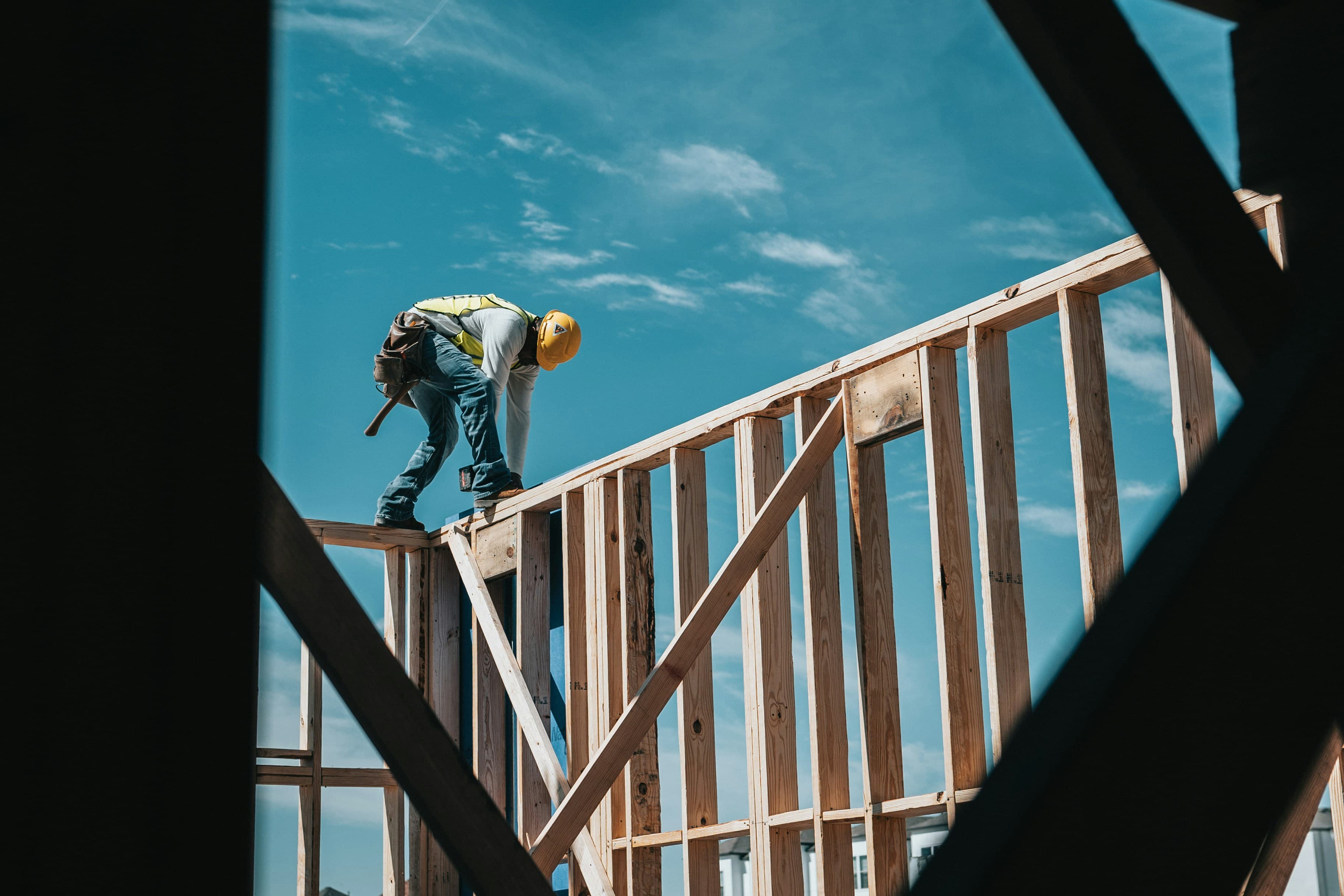
Builder's Risk (Course of Construction)
Covers physical damage to the building, materials, and temporary structures during construction: fire, theft, vandalism, and weather. Your CGL won't cover the structure you're building, and standard CCDC contracts require the owner to arrange it.
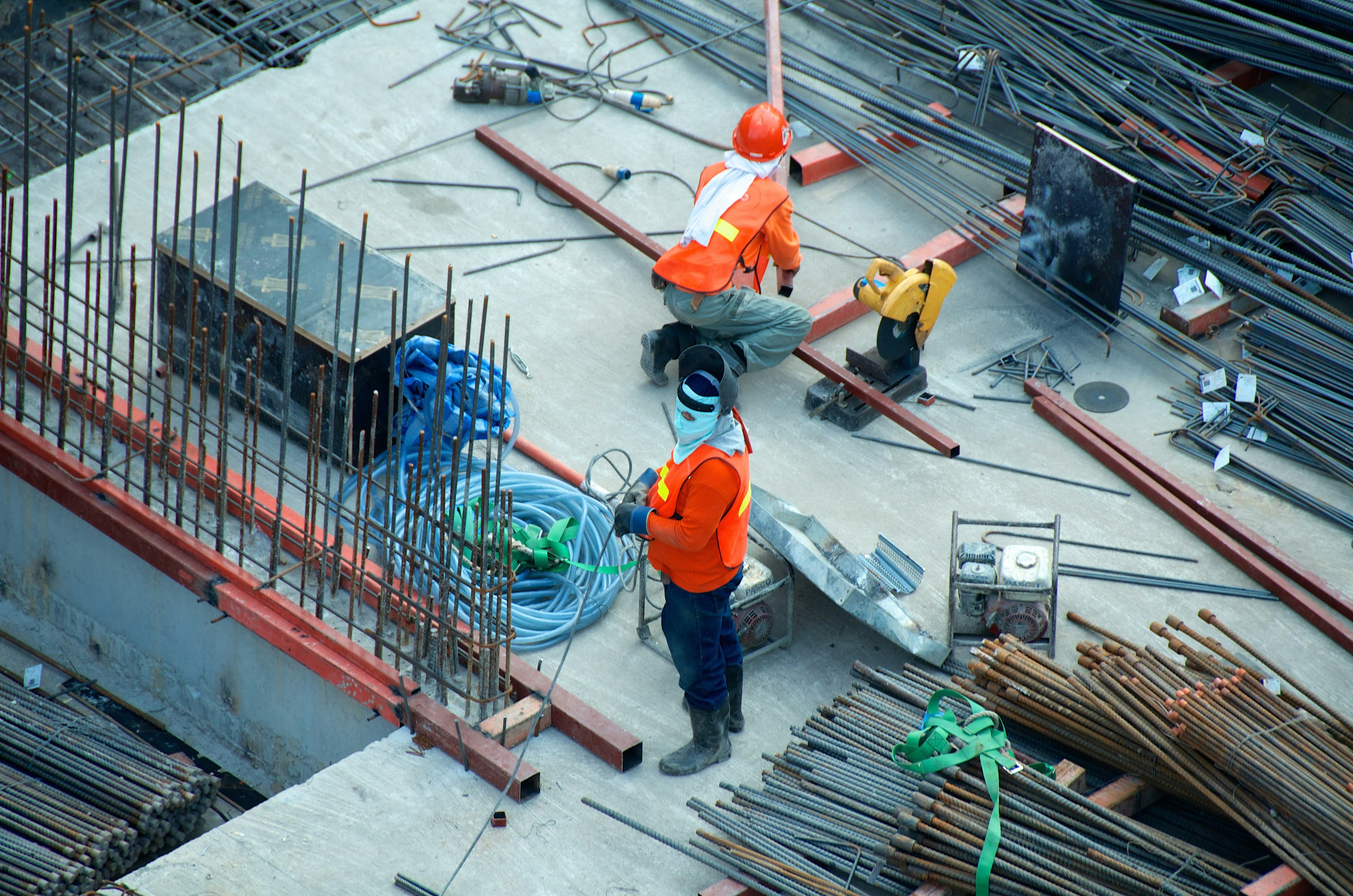
General & Wrap-Up Liability
CGL is the foundation policy for every job site, covering third-party bodily injury and property damage. On larger projects with multiple subs, a wrap-up program (OCIP or CCIP) consolidates everyone under one policy, eliminating coverage gaps and often reducing total cost.
Contracting & Developer Bonds
Performance bonds guarantee you'll finish the job. Payment bonds guarantee your subs and suppliers get paid. Subdivision and developer bonds guarantee completion of municipal infrastructure. We help you navigate all of them, from bid day through final acceptance.
Understanding the Risk at Every Stage
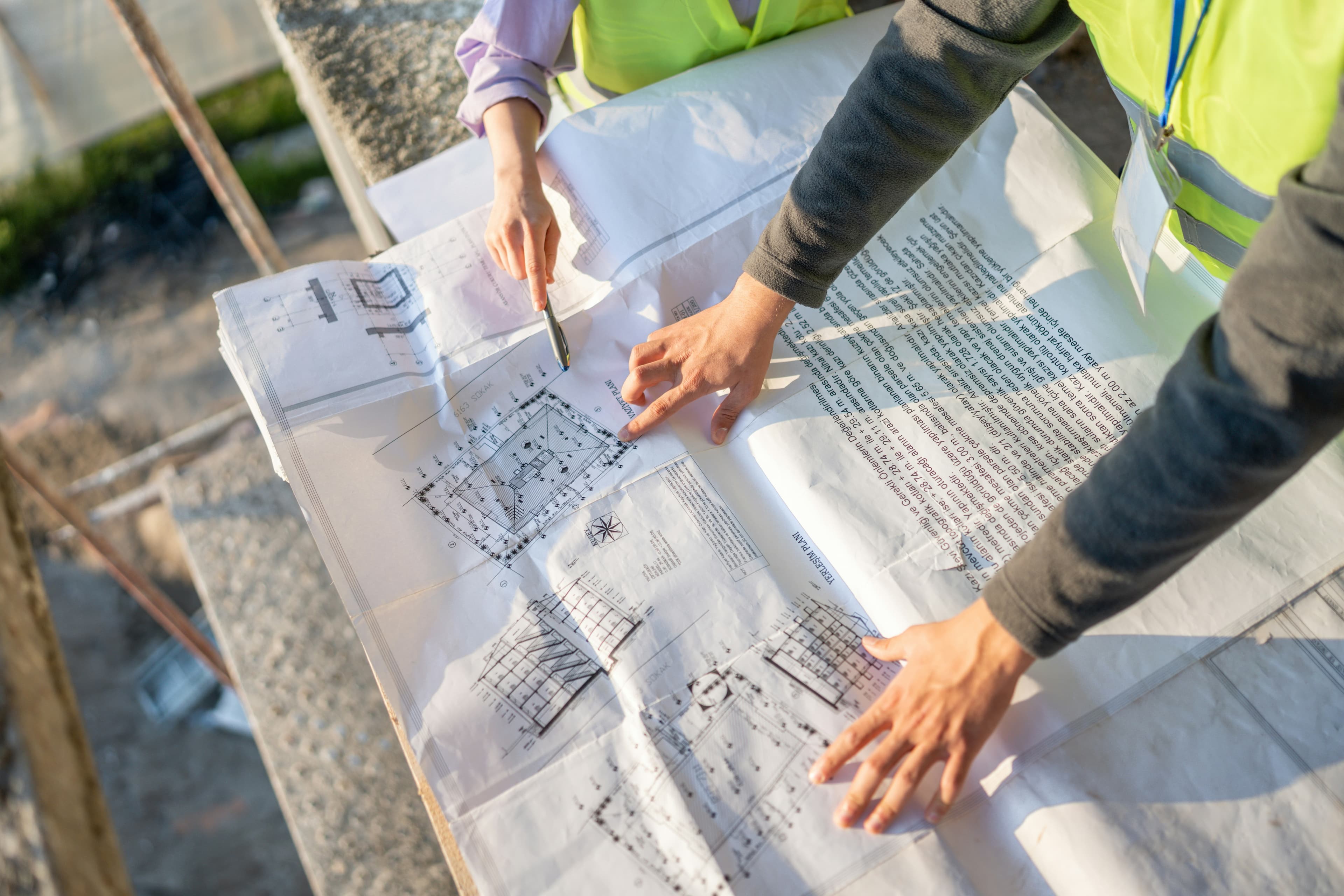
Pre-construction is where the gaps start
Before you break ground, contracts are signed with insurance and bonding requirements baked in. If your coverage doesn't match what the contract demands, or if you haven't reviewed the fine print, you're exposed before the first shovel hits dirt.
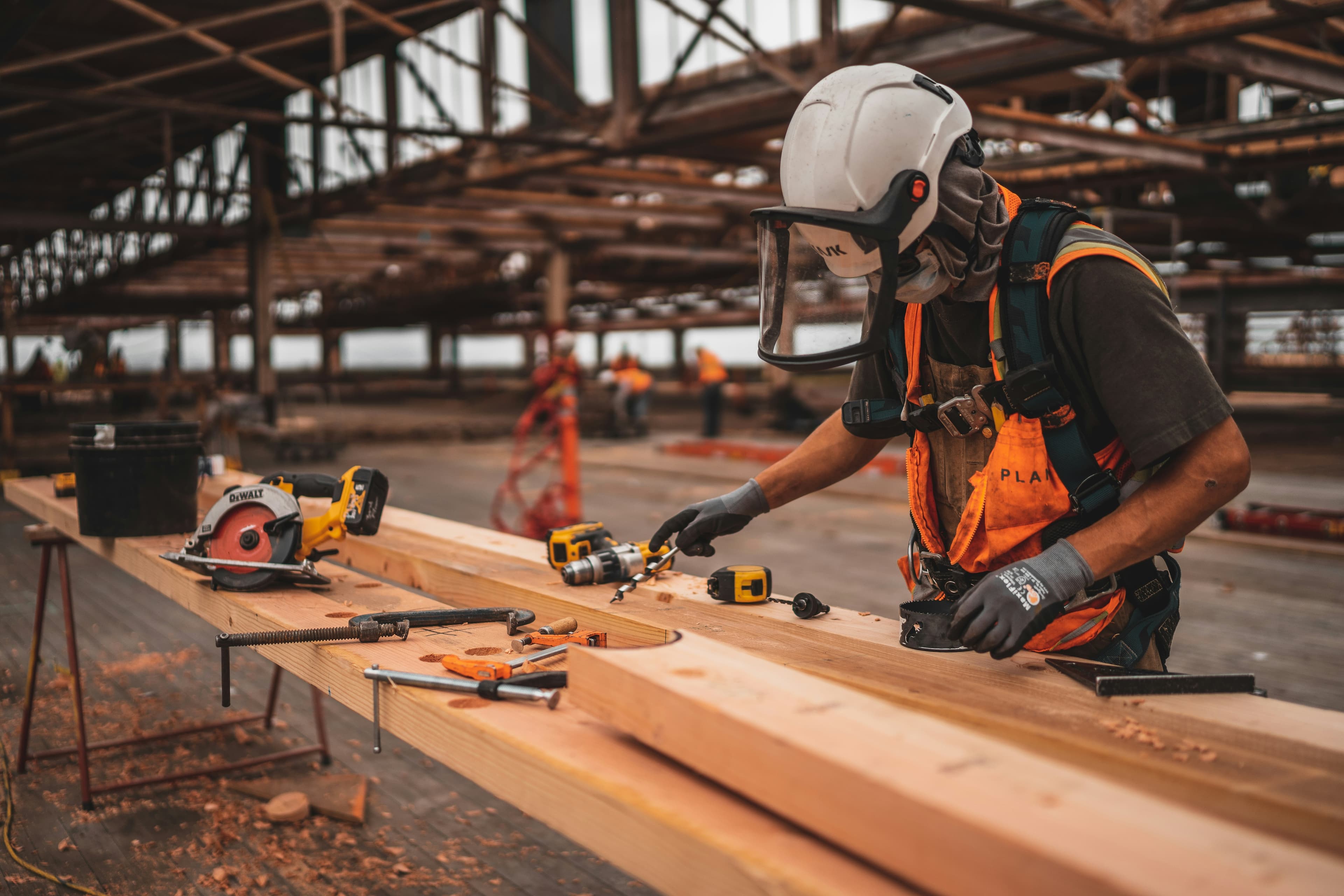
Active construction carries the most exposure
Workers on site, materials arriving, subs coming and going. This is where liability, property damage, and equipment risks are at their peak. Your program needs to account for all of it, including the gaps between your coverage and your subcontractors'.
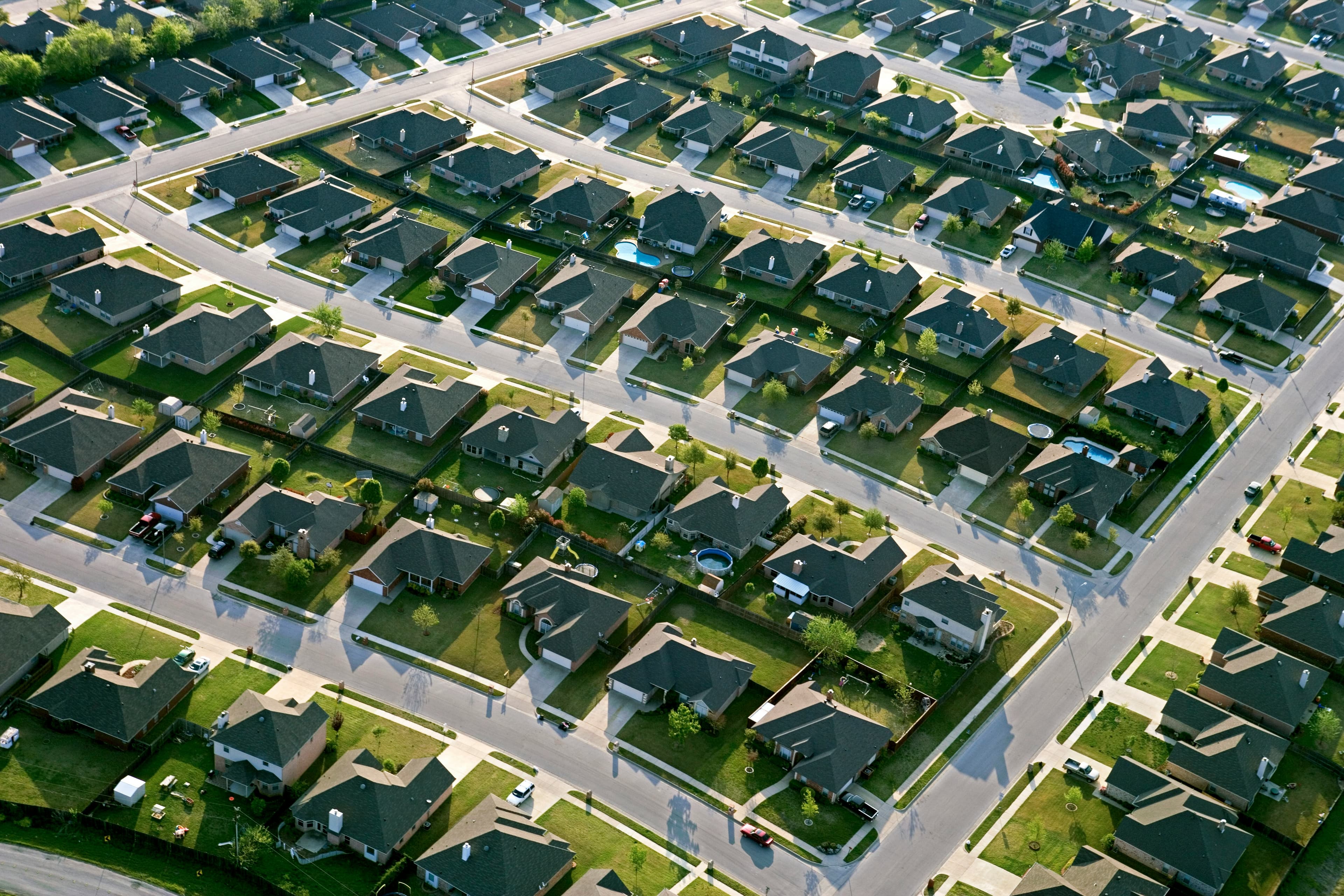
Completed operations risk doesn't end at occupancy
Defects, structural failures, and third-party claims can surface years after the project is finished. Your CGL needs to carry completed operations coverage, and the limits need to hold up long after you've moved on to the next project.

Pollution and environmental liability is almost always excluded
Standard CGL policies exclude pollution events entirely. If your work involves excavation, demolition, fuel storage, or brownfield redevelopment, a separate Contractors Pollution Liability policy is the only thing standing between you and a cleanup order.
Pre-construction is where the gaps start
Before you break ground, contracts are signed with insurance and bonding requirements baked in. If your coverage doesn't match what the contract demands, or if you haven't reviewed the fine print, you're exposed before the first shovel hits dirt.
Active construction carries the most exposure
Workers on site, materials arriving, subs coming and going. This is where liability, property damage, and equipment risks are at their peak. Your program needs to account for all of it, including the gaps between your coverage and your subcontractors'.
Completed operations risk doesn't end at occupancy
Defects, structural failures, and third-party claims can surface years after the project is finished. Your CGL needs to carry completed operations coverage, and the limits need to hold up long after you've moved on to the next project.
Pollution and environmental liability is almost always excluded
Standard CGL policies exclude pollution events entirely. If your work involves excavation, demolition, fuel storage, or brownfield redevelopment, a separate Contractors Pollution Liability policy is the only thing standing between you and a cleanup order.
Let's talk about your next project.
Get a Construction Insurance Review
We'll sit down with you to review your current coverage, upcoming projects, and contract requirements, so you know exactly where you stand.
What Makes Construction Insurance Different
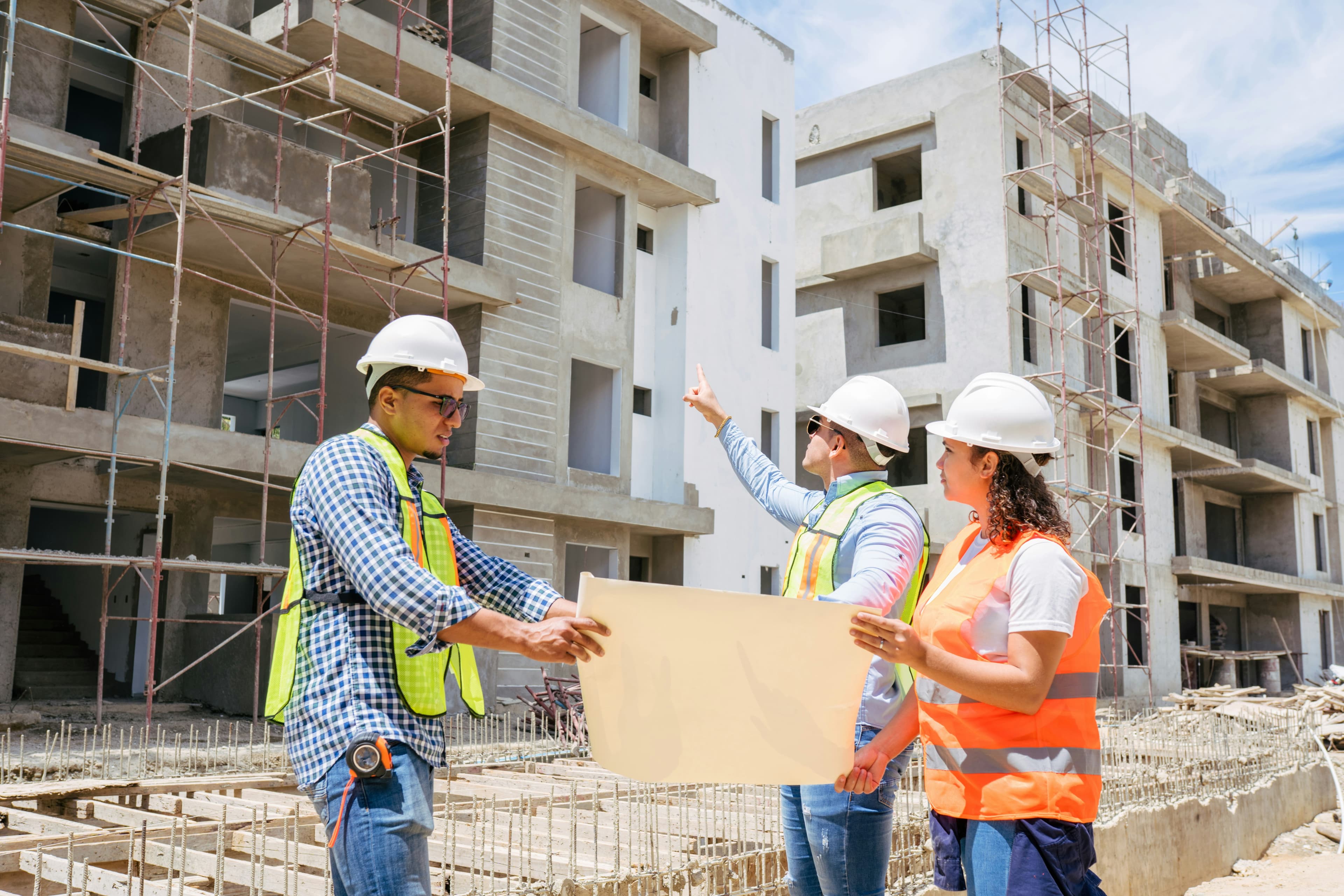
Every project has its own risk profile
A mid-rise condo, a subdivision, and an industrial retrofit all require different coverage structures. Cookie-cutter programs leave gaps. We build your insurance around the specific projects you're taking on, not a template.

Subcontractor management is part of your risk
When a sub's policy lapses, their limits fall short, or they walk off the job, the GC absorbs the cost. We help you set the right certificate requirements, review sub coverage, and make sure nothing falls through the cracks mid-project.
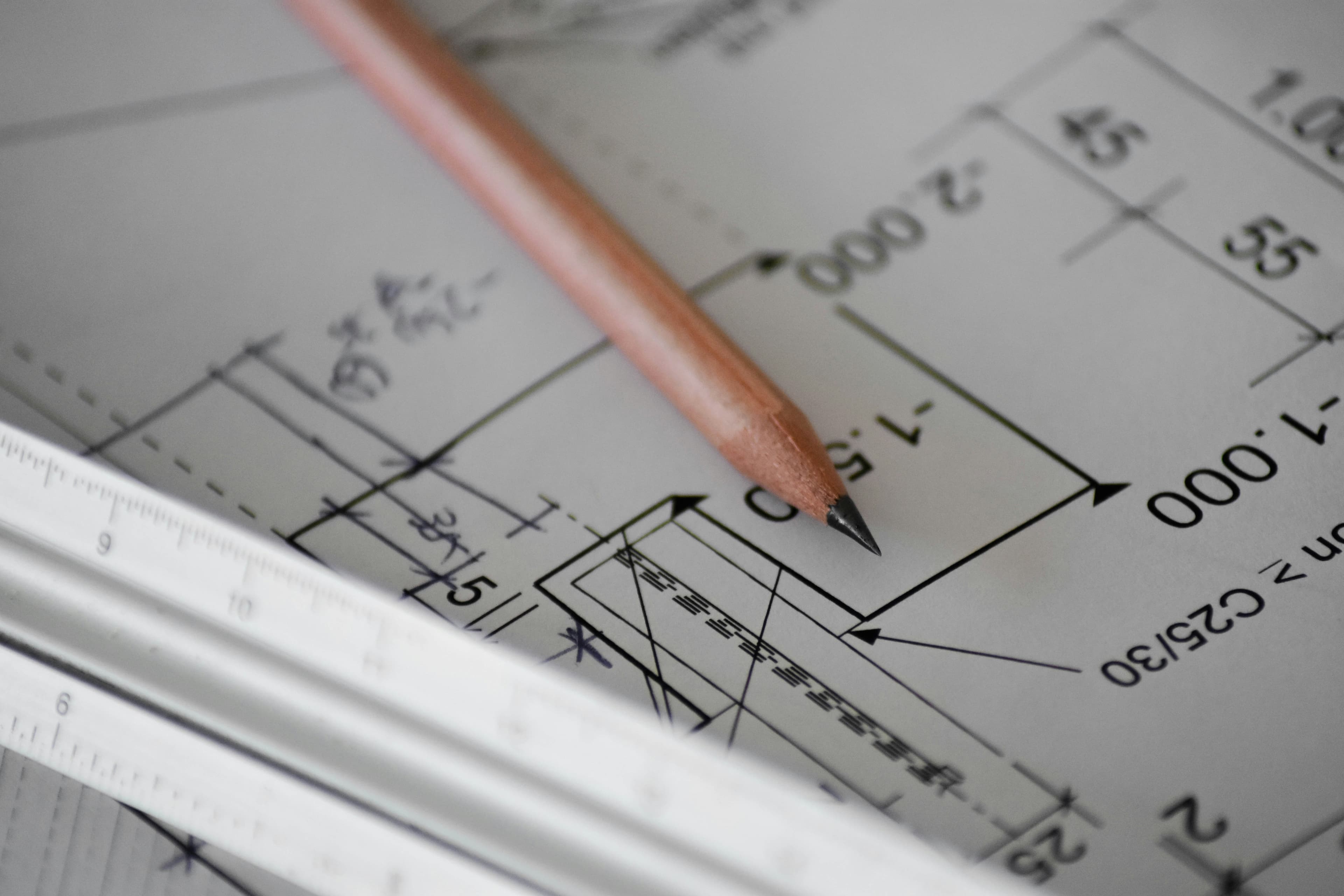
Contract language drives insurance requirements
CCDC contracts, municipal agreements, and developer contracts all contain specific insurance and bonding requirements. We review the language before you sign, identify excessive demands that can be negotiated, and make sure your program matches what's actually required.
Every project has its own risk profile
A mid-rise condo, a subdivision, and an industrial retrofit all require different coverage structures. Cookie-cutter programs leave gaps. We build your insurance around the specific projects you're taking on, not a template.
Subcontractor management is part of your risk
When a sub's policy lapses, their limits fall short, or they walk off the job, the GC absorbs the cost. We help you set the right certificate requirements, review sub coverage, and make sure nothing falls through the cracks mid-project.
Contract language drives insurance requirements
CCDC contracts, municipal agreements, and developer contracts all contain specific insurance and bonding requirements. We review the language before you sign, identify excessive demands that can be negotiated, and make sure your program matches what's actually required.
How We Work With Builders and Developers
Good construction insurance starts with a broker who takes the time to understand your operations, your projects, and where you're headed.

Frequently Asked Questions
Do I need builder's risk if I already have CGL?
Yes. They cover completely different things. CGL covers liability for injury or damage to others. Builder's risk covers physical damage to the building under construction, materials on site, and temporary structures. Under standard CCDC contracts, the owner is responsible for arranging builder's risk, but your broker should confirm who carries it on every project.
Ready to Work with an Expert?
Talk to a Product Expert Today!
Get personalized advice and a quote tailored to your specific needs.