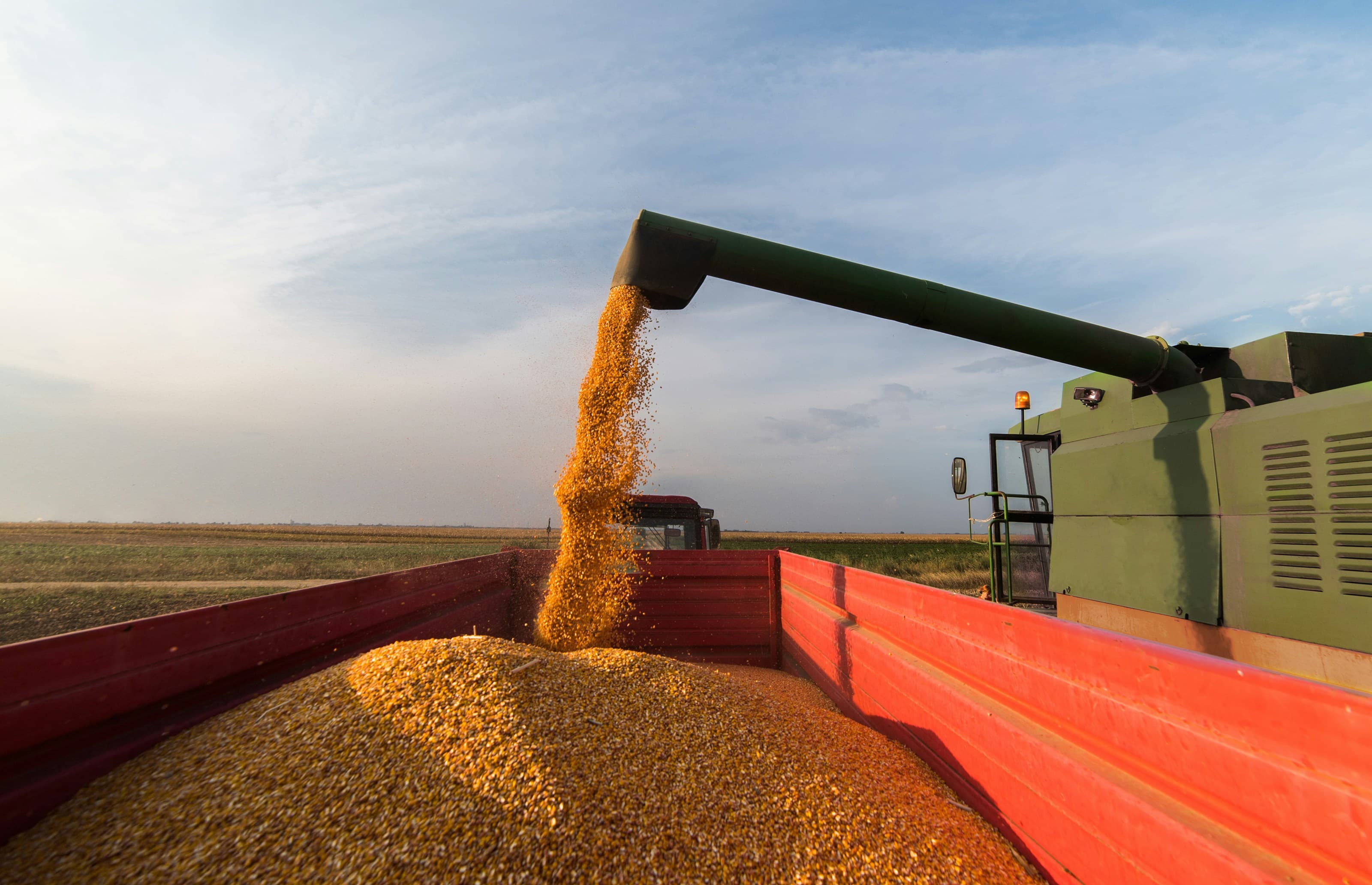
Crop Farm Insurance in Ontario
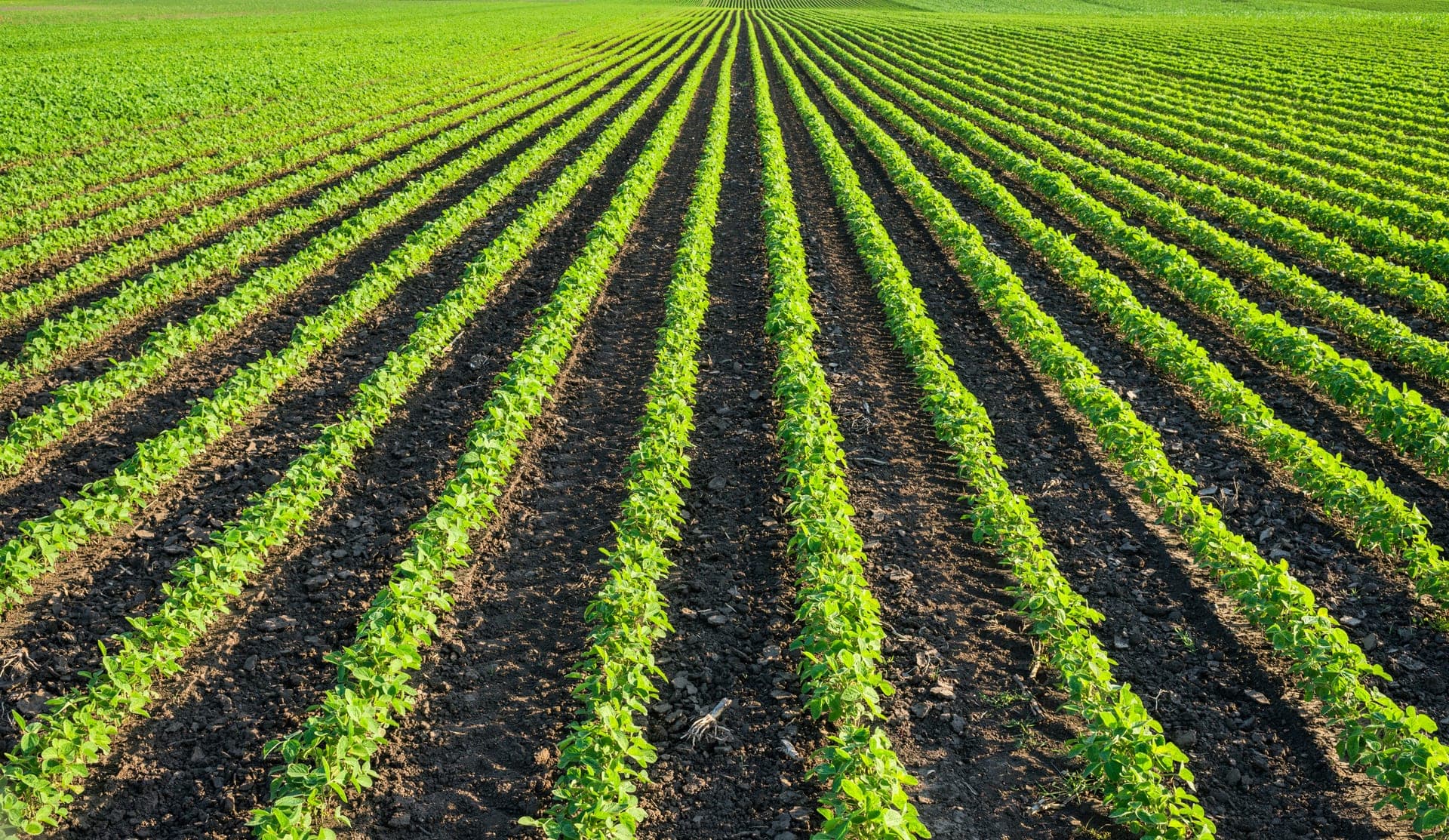
Ontario's crop farmers face risks that change with every season — late frost, hail, equipment failure at harvest, and chemical liability. Your insurance program should be built around your specific operation, not a generic farm package.
What Your Crop Farm Policy Should Cover

Farm Buildings & Grain Storage
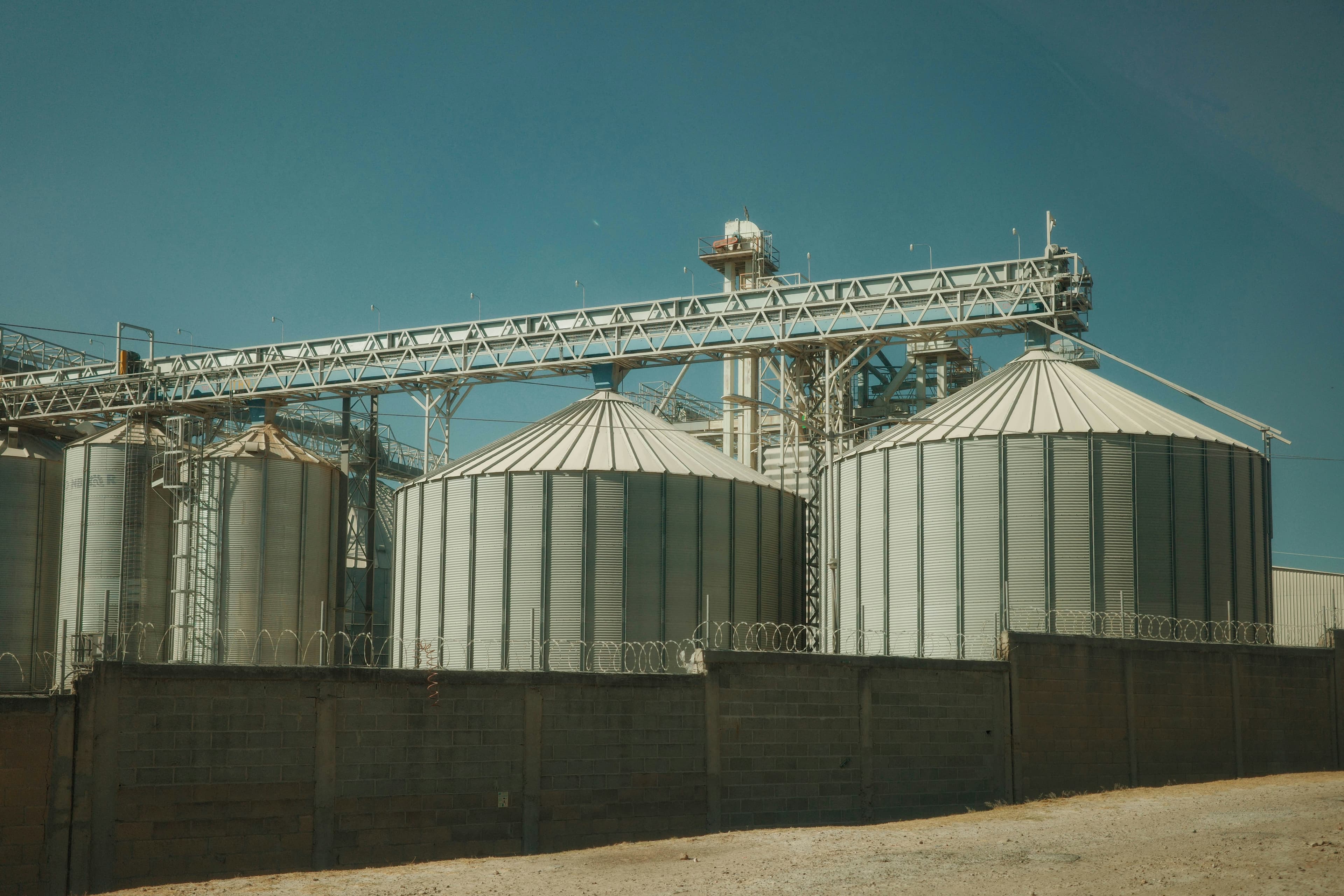
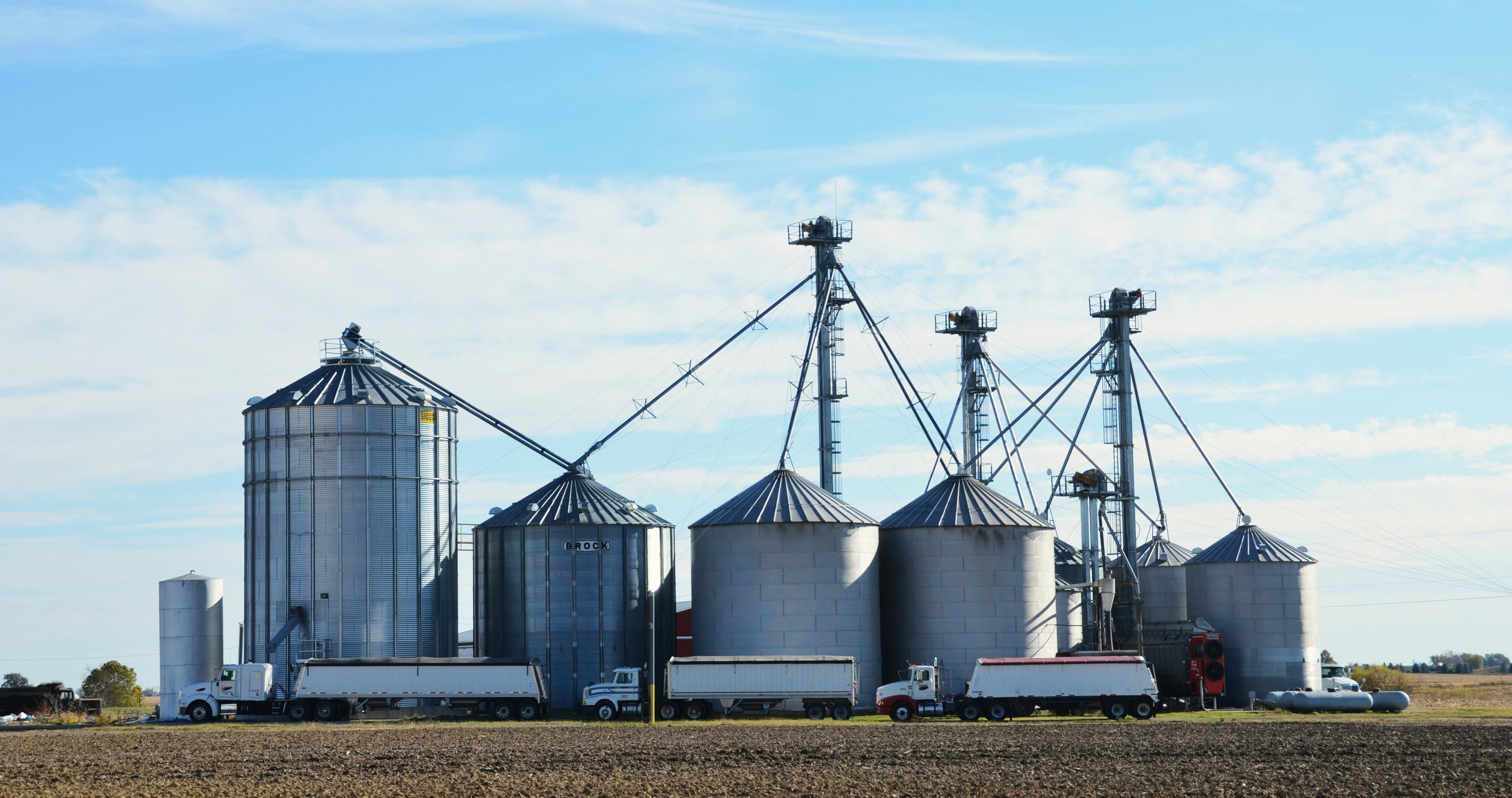
Barns, machine sheds, grain bins, and drying facilities are the backbone of a crop operation. Coverage protects against fire, wind, and collapse — and should reflect current replacement costs, not what you built them for.

Equipment & Machinery
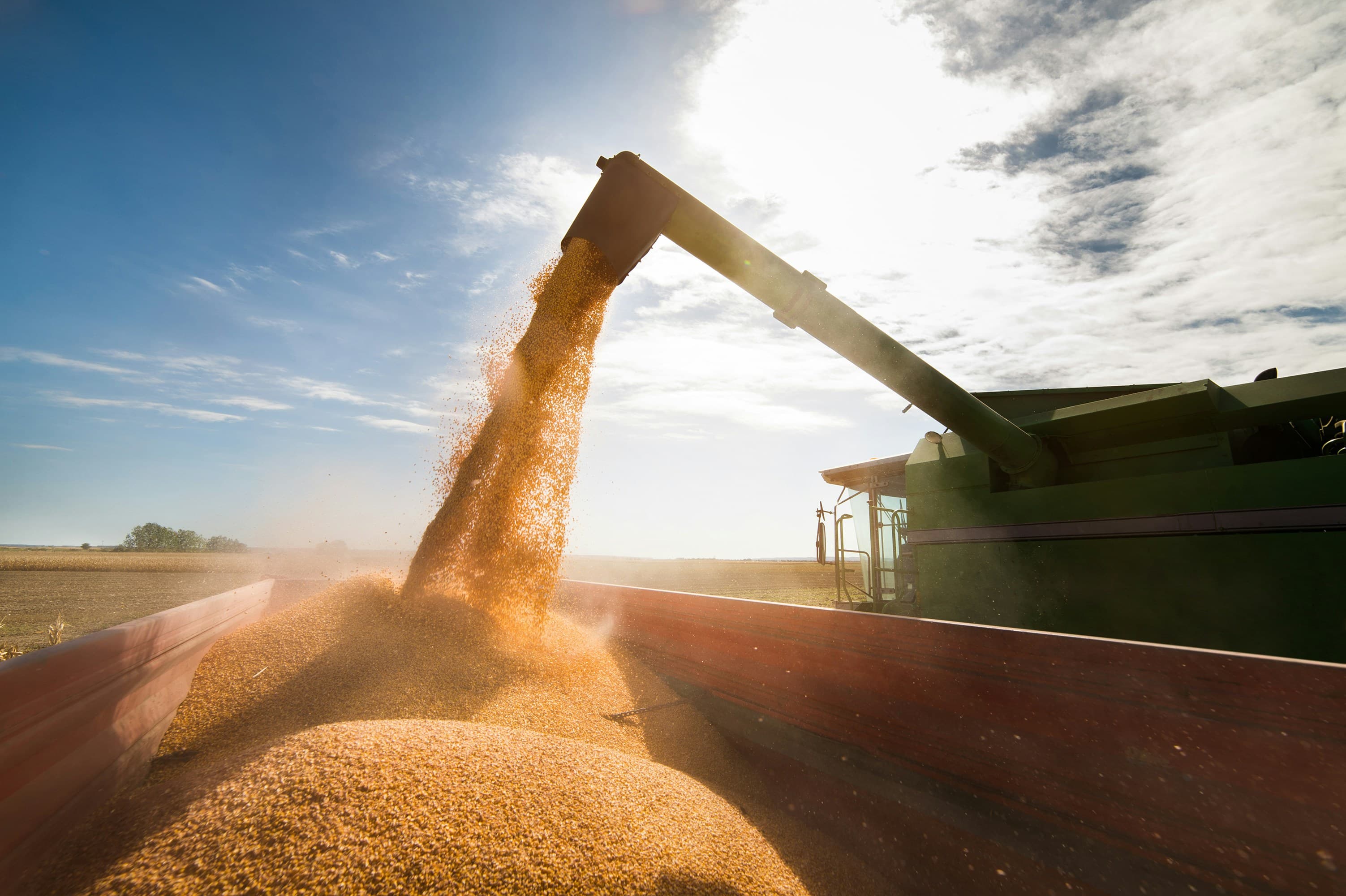
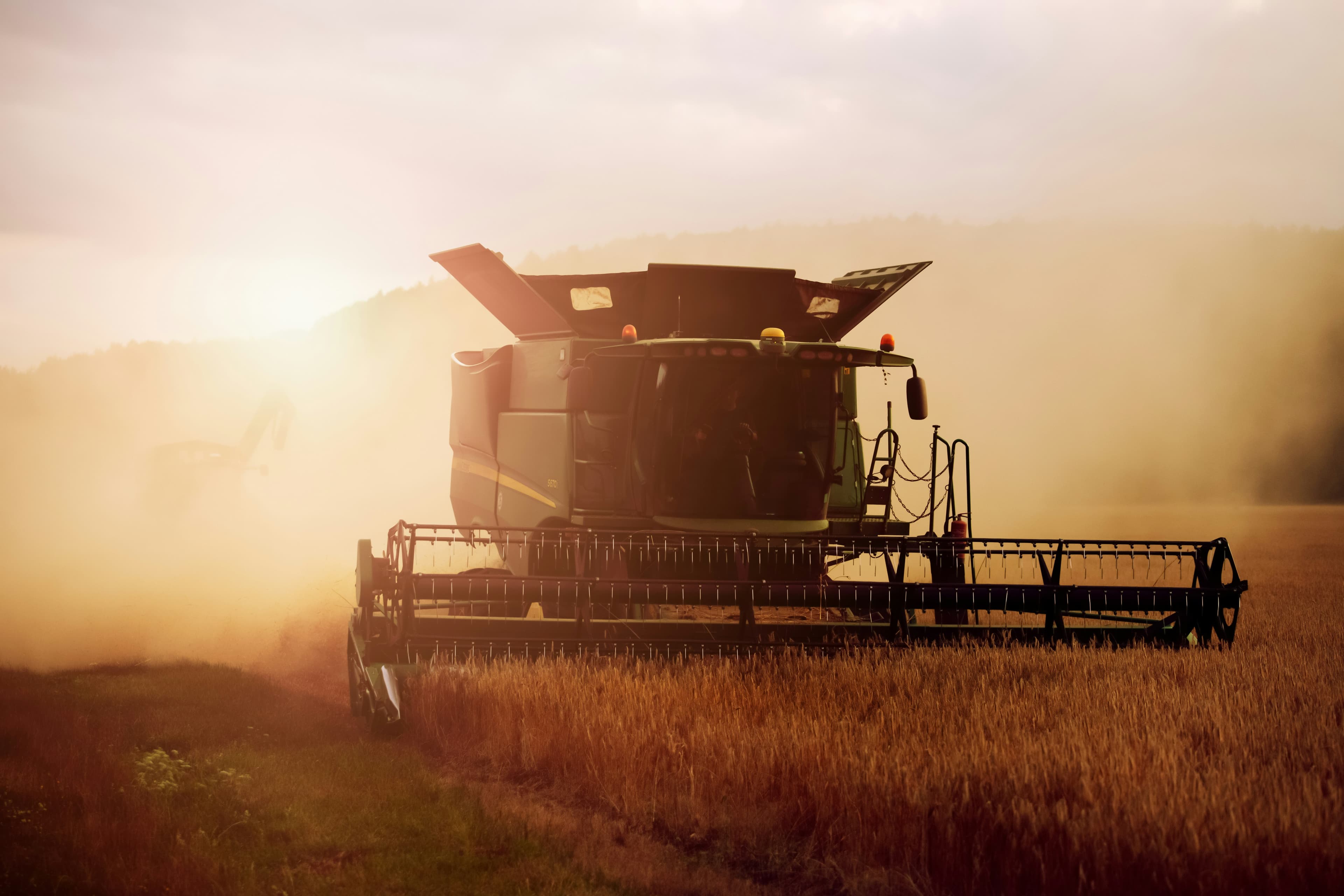
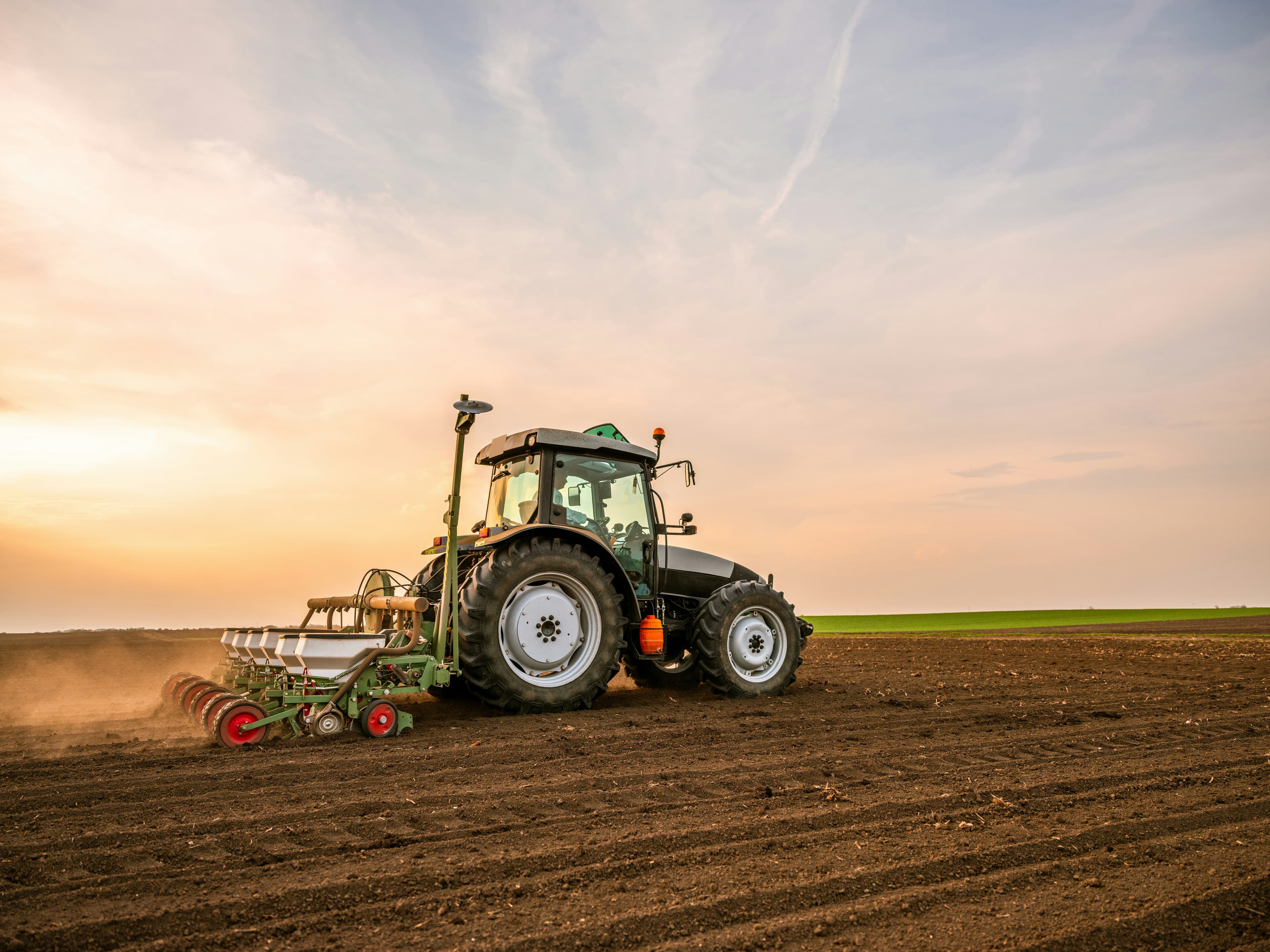
Combines, planters, sprayers, and grain dryers represent hundreds of thousands in capital. Equipment breakdown coverage picks up where standard property insurance stops — covering mechanical and electrical failure, not just fire or theft.

Crop Loss & Weather Protection
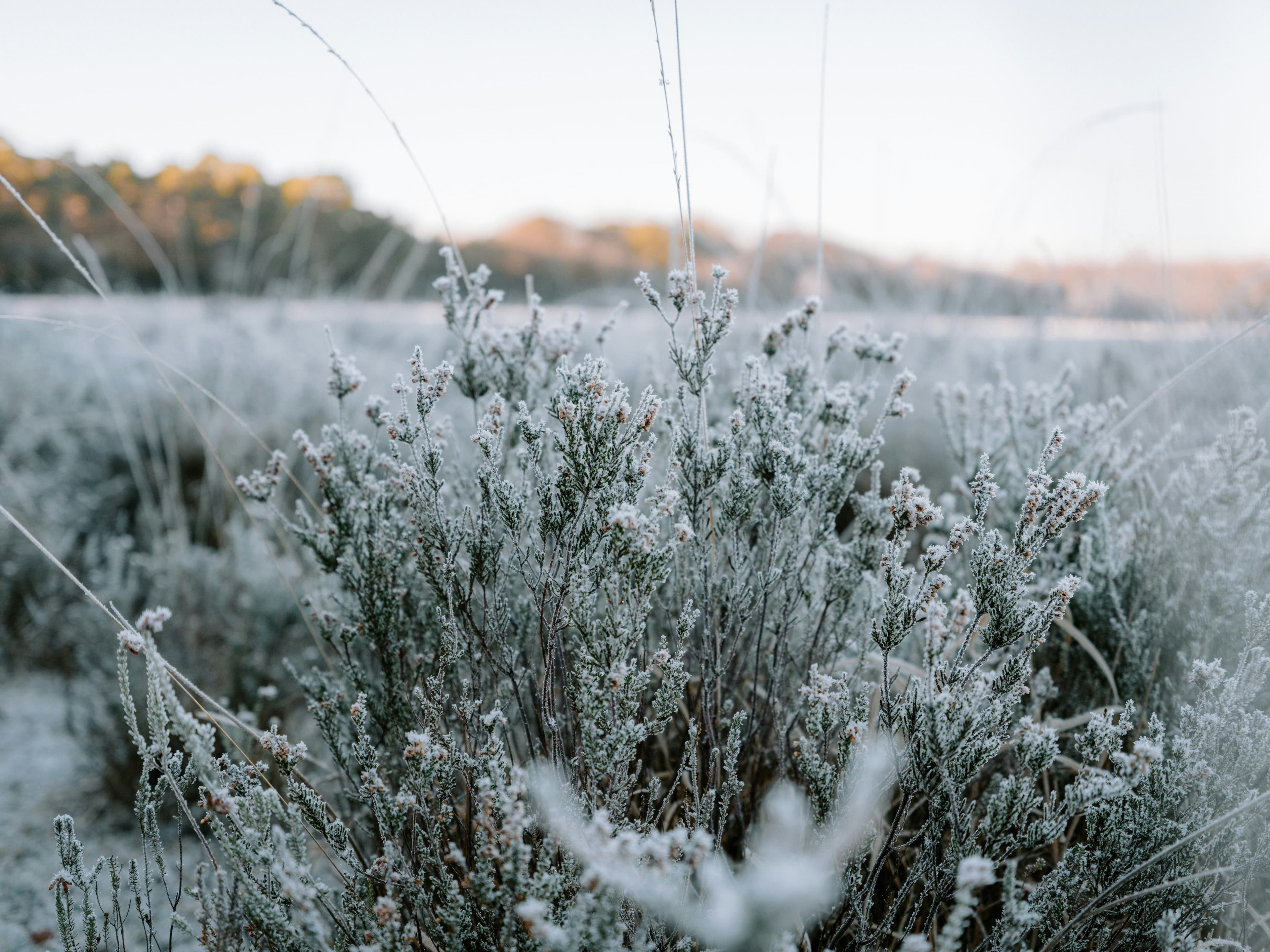
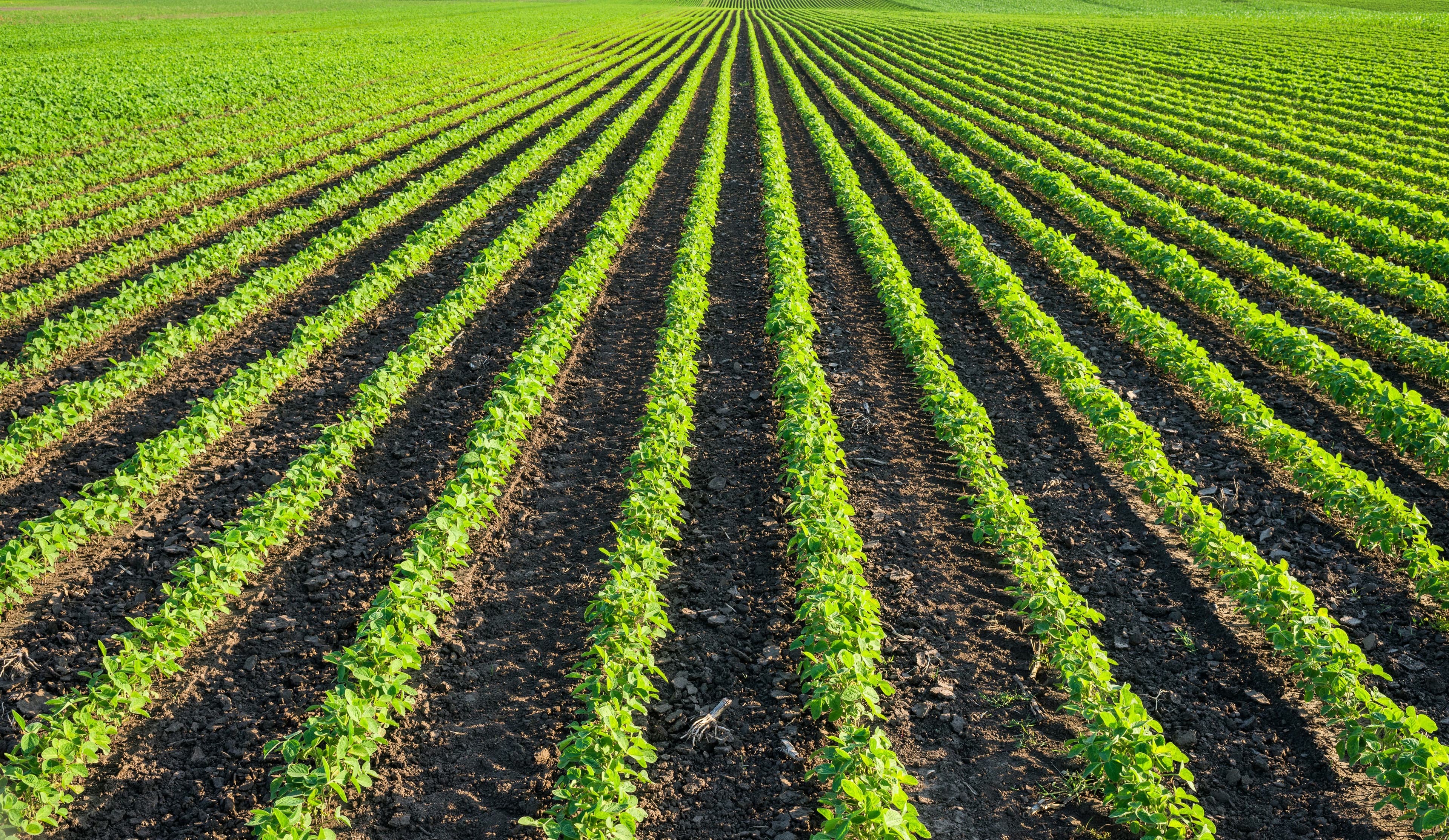
Ontario's growing season is unpredictable — late frost, hail, drought, and excessive rain can wipe out a year's income. Private crop coverage supplements Agricorp Production Insurance to close the gaps government programs leave behind.
What Makes Crop Farming Different

Your income depends entirely on one season
Unlike dairy or poultry operations that generate revenue year-round, crop farms earn most of their income in a narrow harvest window. A single weather event at the wrong time — late-May frost or early-October snow — can eliminate an entire year's revenue.

Equipment values have outpaced most policy limits
A new combine runs $600K–$900K. GPS guidance systems, variable-rate sprayers, and precision planters add another $100K+ to your equipment line. If your statement of values hasn't been updated recently, you're likely underinsured by 20–30%.

Grain storage creates risks most farmers overlook
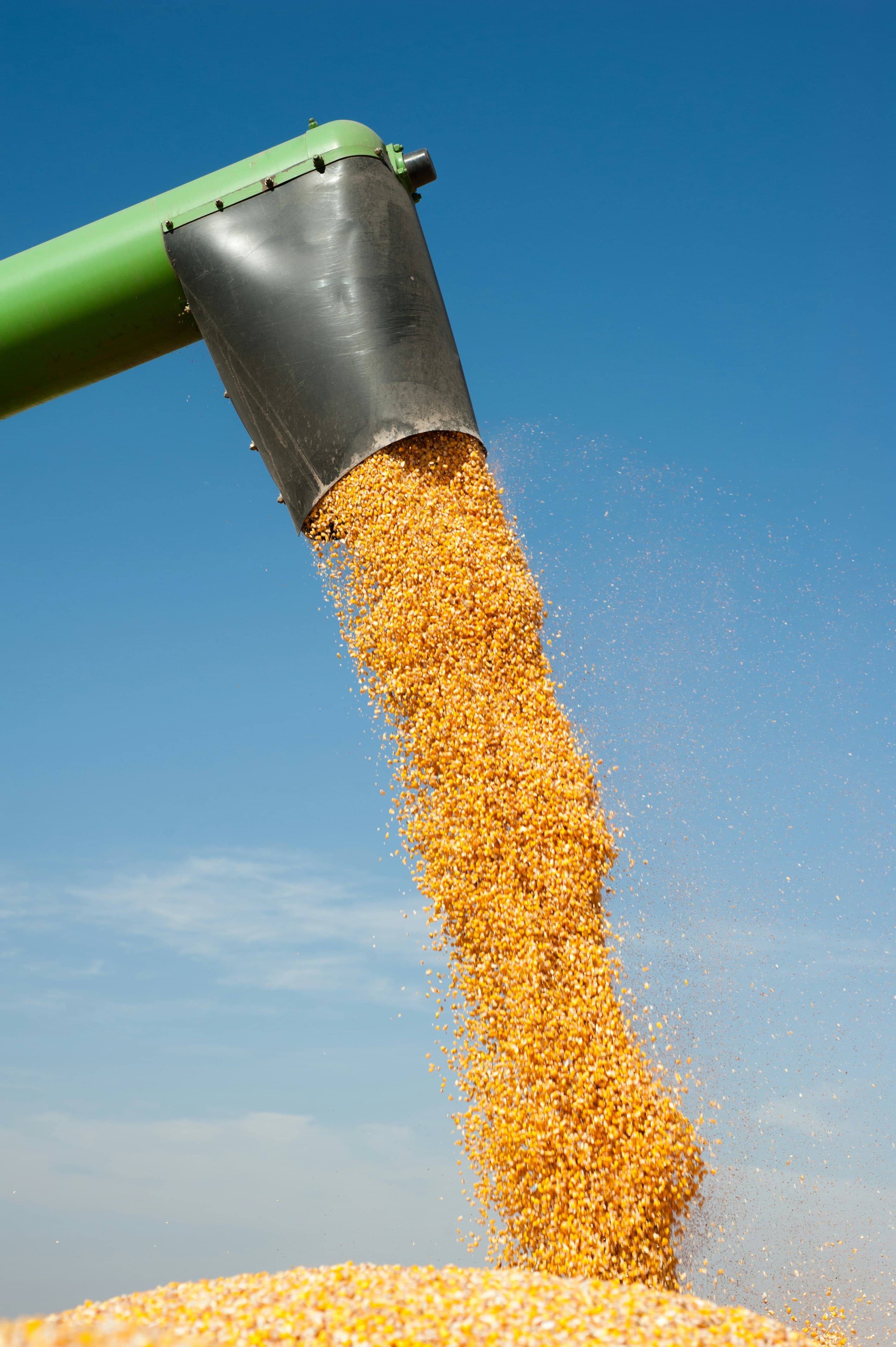
Stored grain is vulnerable to spoilage, temperature swings, pest infestation, and power interruption. Many farm policies cap stored produce at limits well below what a full bin is worth — especially at today's commodity prices.
Your income depends entirely on one season
Unlike dairy or poultry operations that generate revenue year-round, crop farms earn most of their income in a narrow harvest window. A single weather event at the wrong time — late-May frost or early-October snow — can eliminate an entire year's revenue.


Equipment values have outpaced most policy limits
A new combine runs $600K–$900K. GPS guidance systems, variable-rate sprayers, and precision planters add another $100K+ to your equipment line. If your statement of values hasn't been updated recently, you're likely underinsured by 20–30%.
Grain storage creates risks most farmers overlook
Stored grain is vulnerable to spoilage, temperature swings, pest infestation, and power interruption. Many farm policies cap stored produce at limits well below what a full bin is worth — especially at today's commodity prices.

Every crop operation is different
Tell Us What You Grow — We'll Build the Right Program
We'll structure a program around your equipment, storage, and liability exposures. Pay for the right coverage at the right price.
Key Things to Know

Pesticide and fertilizer liability needs its own endorsement
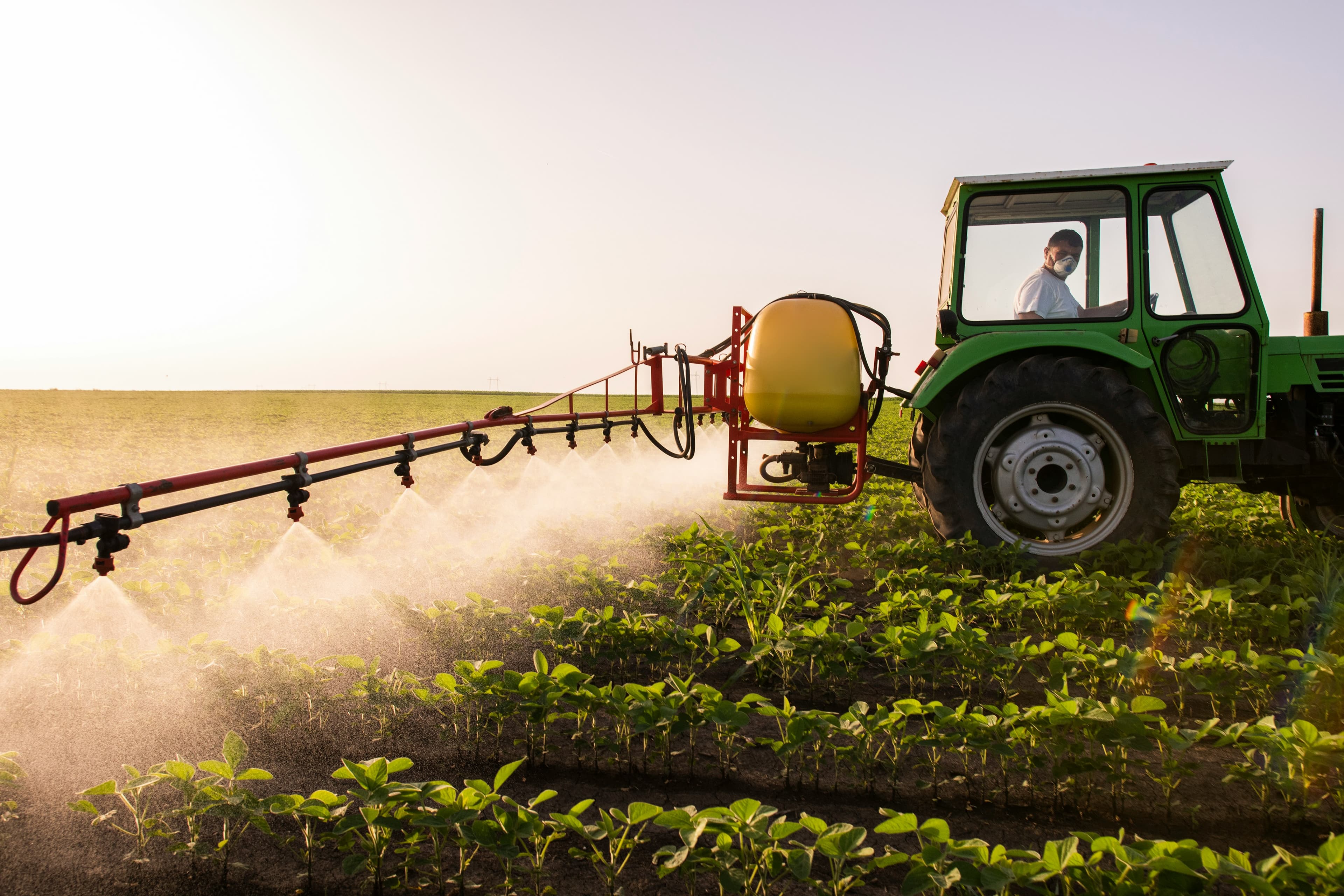
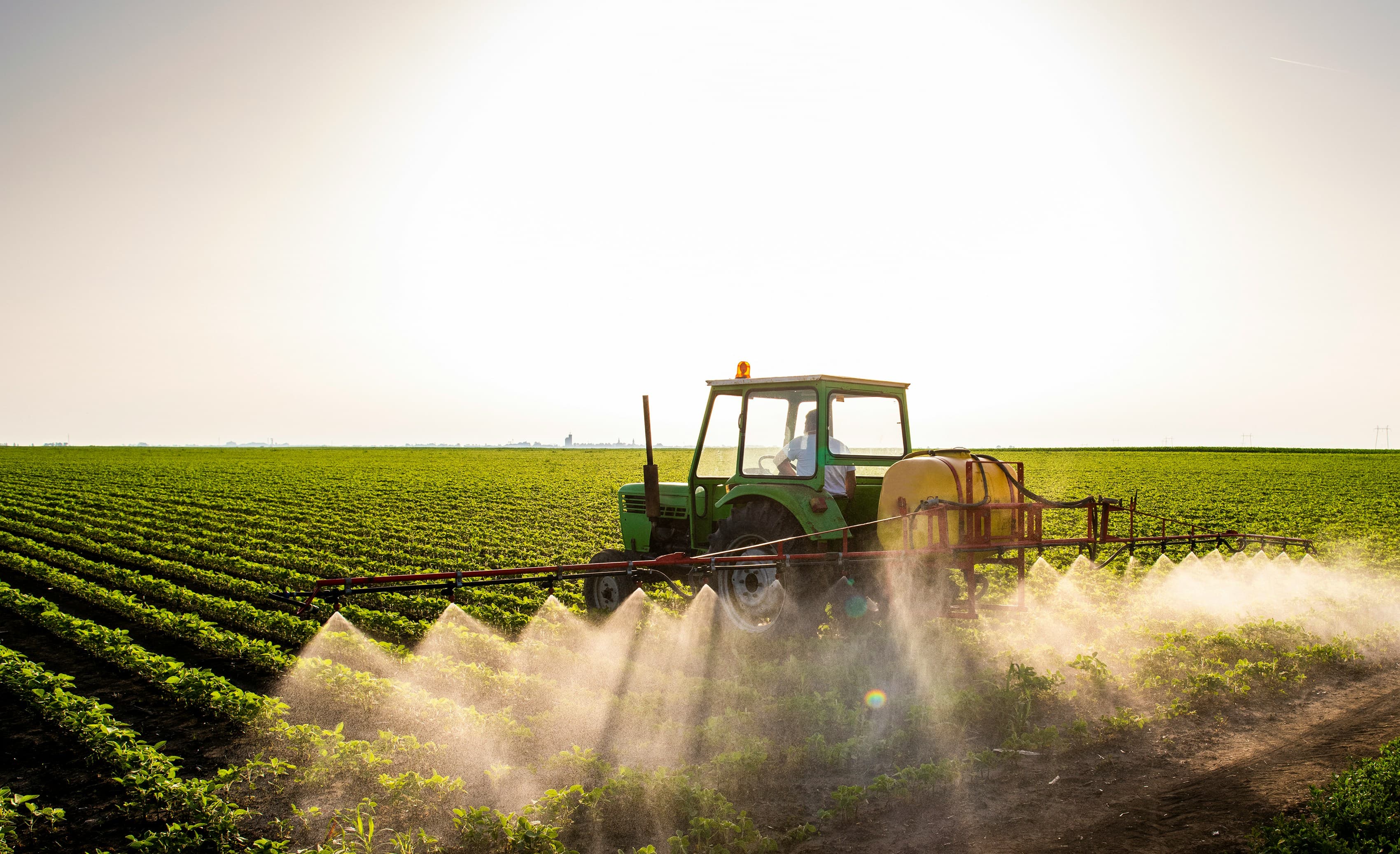
Standard farm CGL policies contain an absolute pollution exclusion. If spray drifts onto a neighbour's organic crop or fertilizer contaminates a nearby waterway, you need a separate pollution liability endorsement to respond.

Rented and borrowed equipment isn't automatically covered
Many crop farmers share or rent equipment during planting and harvest. Your farm policy typically covers owned equipment only — rented or borrowed machinery needs a specific inland marine or rental equipment endorsement.

Business interruption protects your cash flow, not just your assets
If a barn fire destroys your grain dryer in October, it's not just the dryer you lose — it's the cost of custom drying, delayed sales, and potential quality downgrades. Business interruption coverage replaces lost income while you recover.
Pesticide and fertilizer liability needs its own endorsement
Standard farm CGL policies contain an absolute pollution exclusion. If spray drifts onto a neighbour's organic crop or fertilizer contaminates a nearby waterway, you need a separate pollution liability endorsement to respond.


Rented and borrowed equipment isn't automatically covered
Many crop farmers share or rent equipment during planting and harvest. Your farm policy typically covers owned equipment only — rented or borrowed machinery needs a specific inland marine or rental equipment endorsement.
Business interruption protects your cash flow, not just your assets
If a barn fire destroys your grain dryer in October, it's not just the dryer you lose — it's the cost of custom drying, delayed sales, and potential quality downgrades. Business interruption coverage replaces lost income while you recover.

Common Crop Farm Add-Ons That Matter
These are the coverages crop farmers often discover they need only after a loss.
Frequently Asked Questions
What's the difference between Agricorp and private crop insurance?
Agricorp's Production Insurance is a government-subsidized program that covers yield shortfalls from natural perils like drought, frost, and hail. Private crop insurance through a broker covers what Agricorp doesn't — equipment breakdown, stored crop spoilage, business interruption, liability, and pollution. Most crop farmers need both.
Ready to Work with an Expert?
Talk to a Product Expert Today!
Get personalized advice and a quote tailored to your specific needs.


