
Dairy Farm Insurance in Ontario
Dairy operations never stop — your cows need to be milked, your bulk tank needs to stay cold, and your equipment needs to run every single day. We build dairy farm insurance programs around the realities of continuous production, working with farm-specialist insurers who understand what is actually at stake.
What Dairy Farms Need

Barns and farm structures
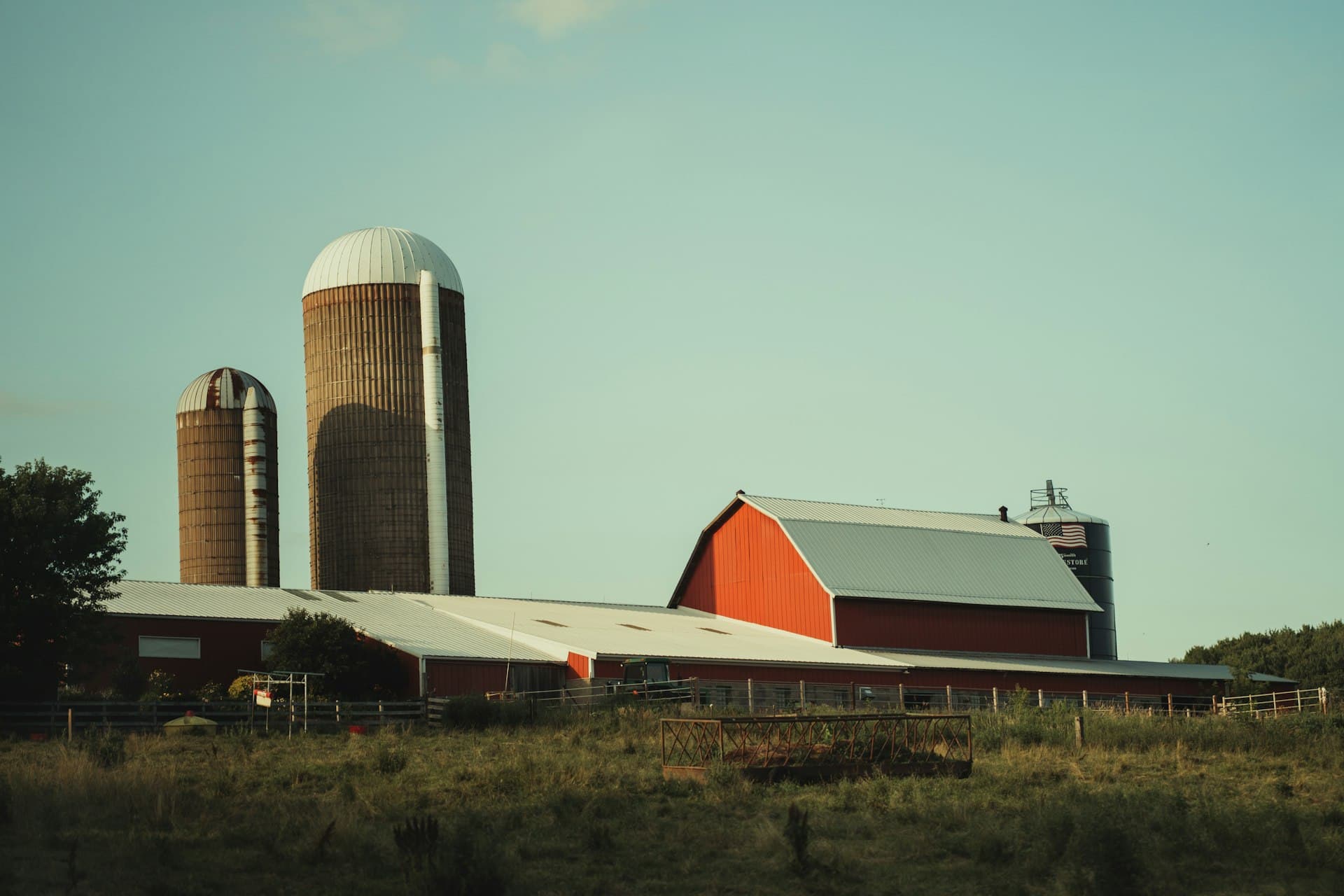
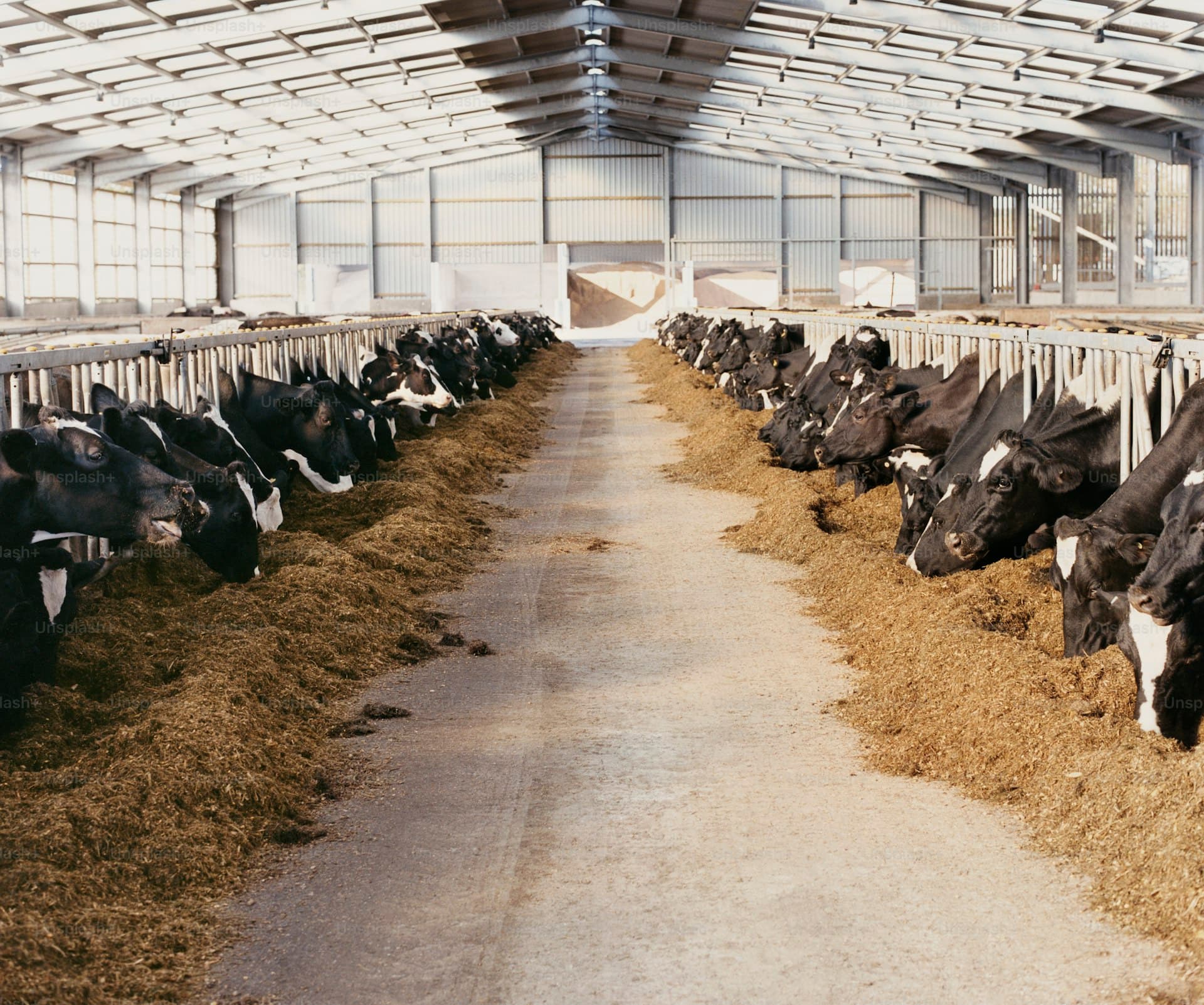
Coverage for milking parlours, free-stall barns, calf barns, feed storage, and silos at replacement cost. Ontario barn fires averaged $808,000 in damages per fire in 2023 — proper valuations matter.

Equipment and milking systems
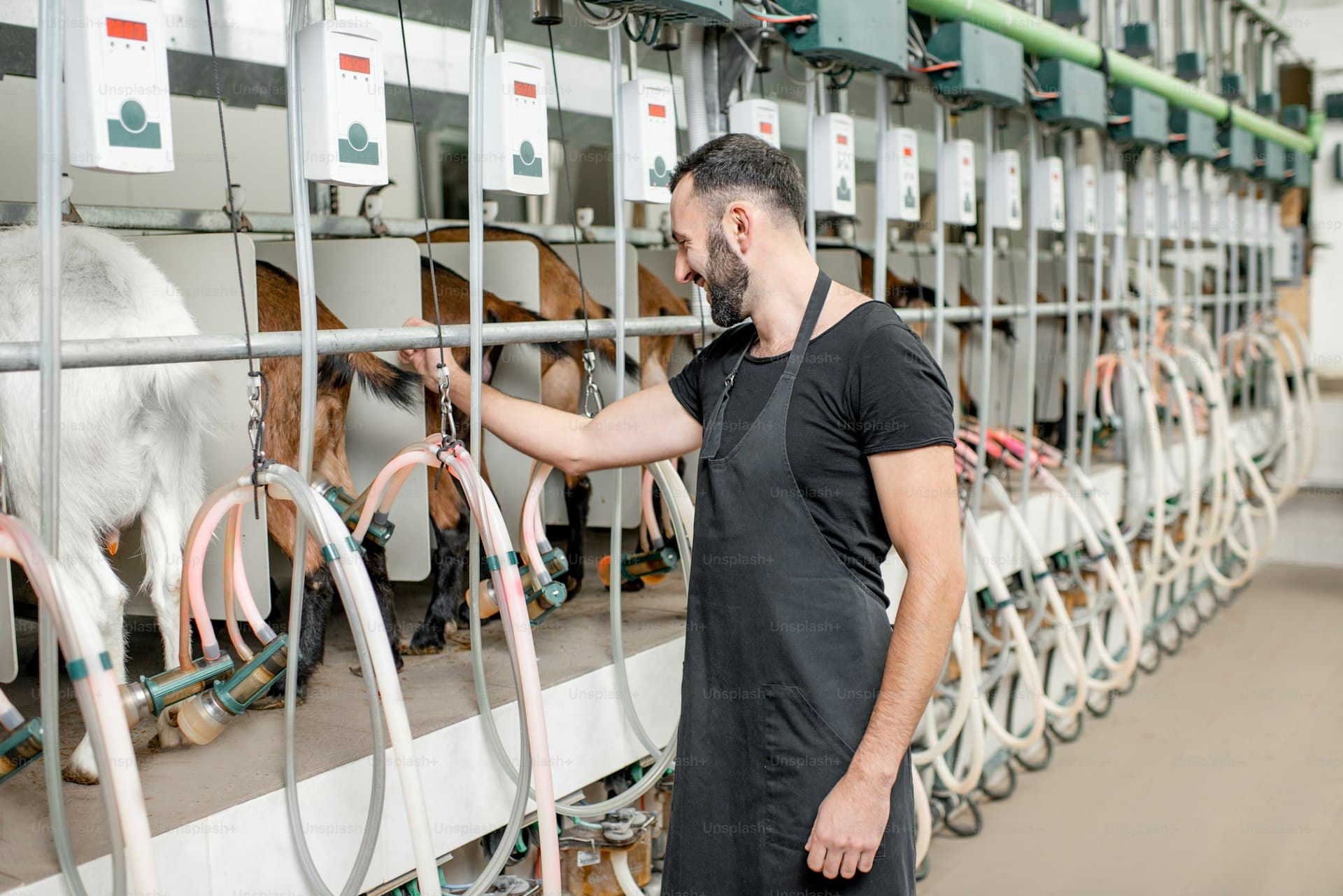
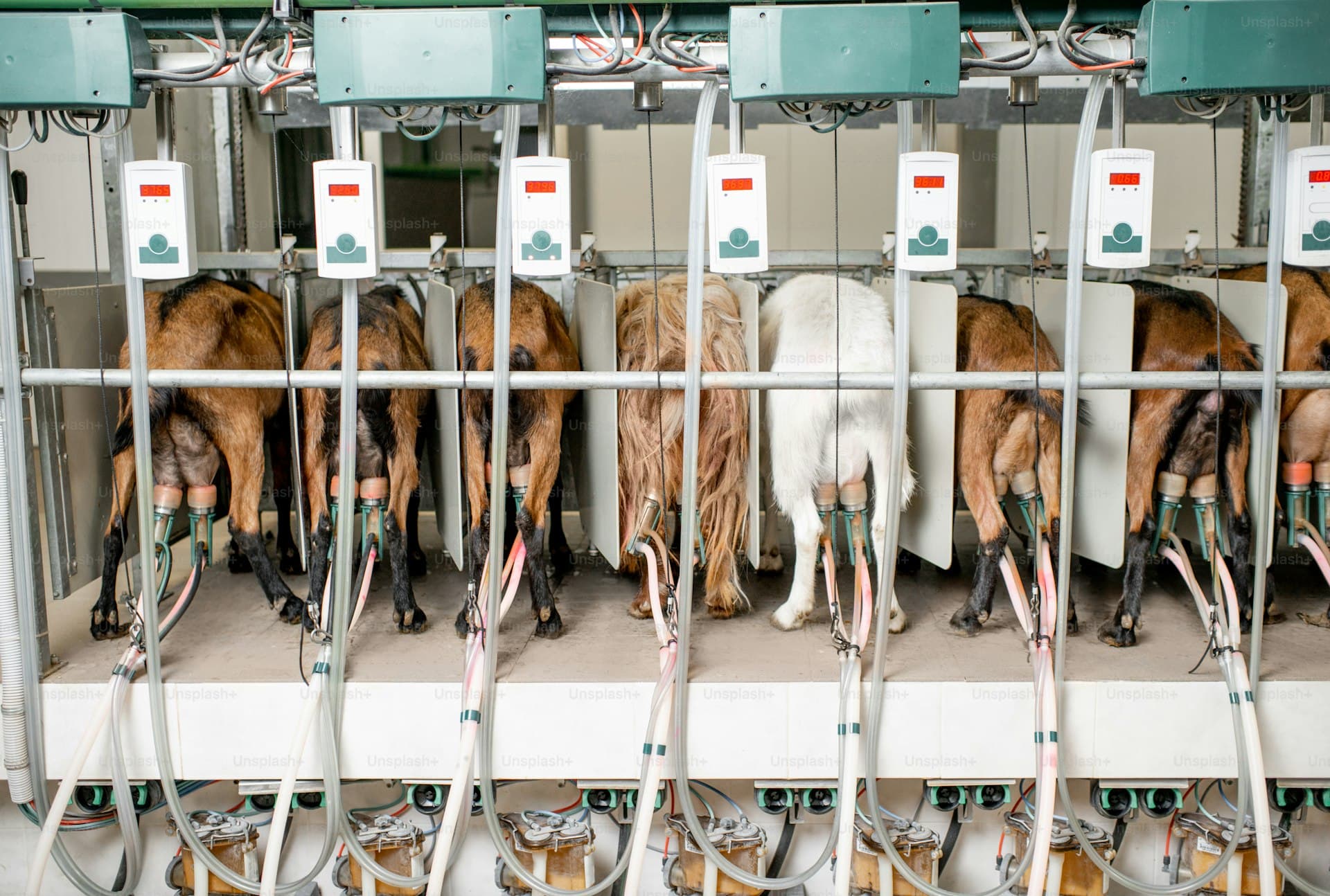
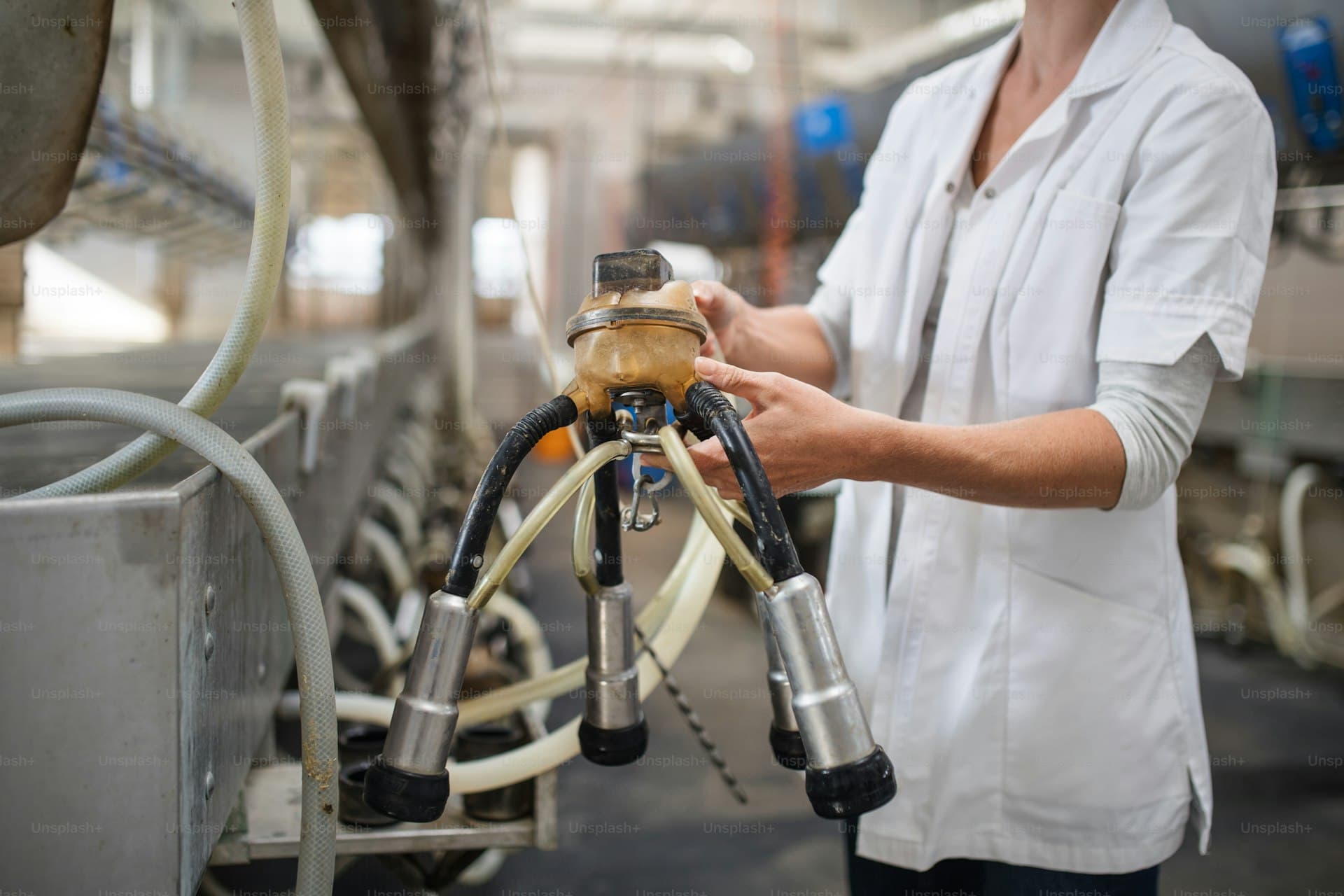
From bulk tanks and pipeline systems to robotic milkers worth $250,000+ per unit, we schedule equipment properly so nothing is missed. Equipment breakdown coverage is critical for automated operations.

Livestock and herd protection
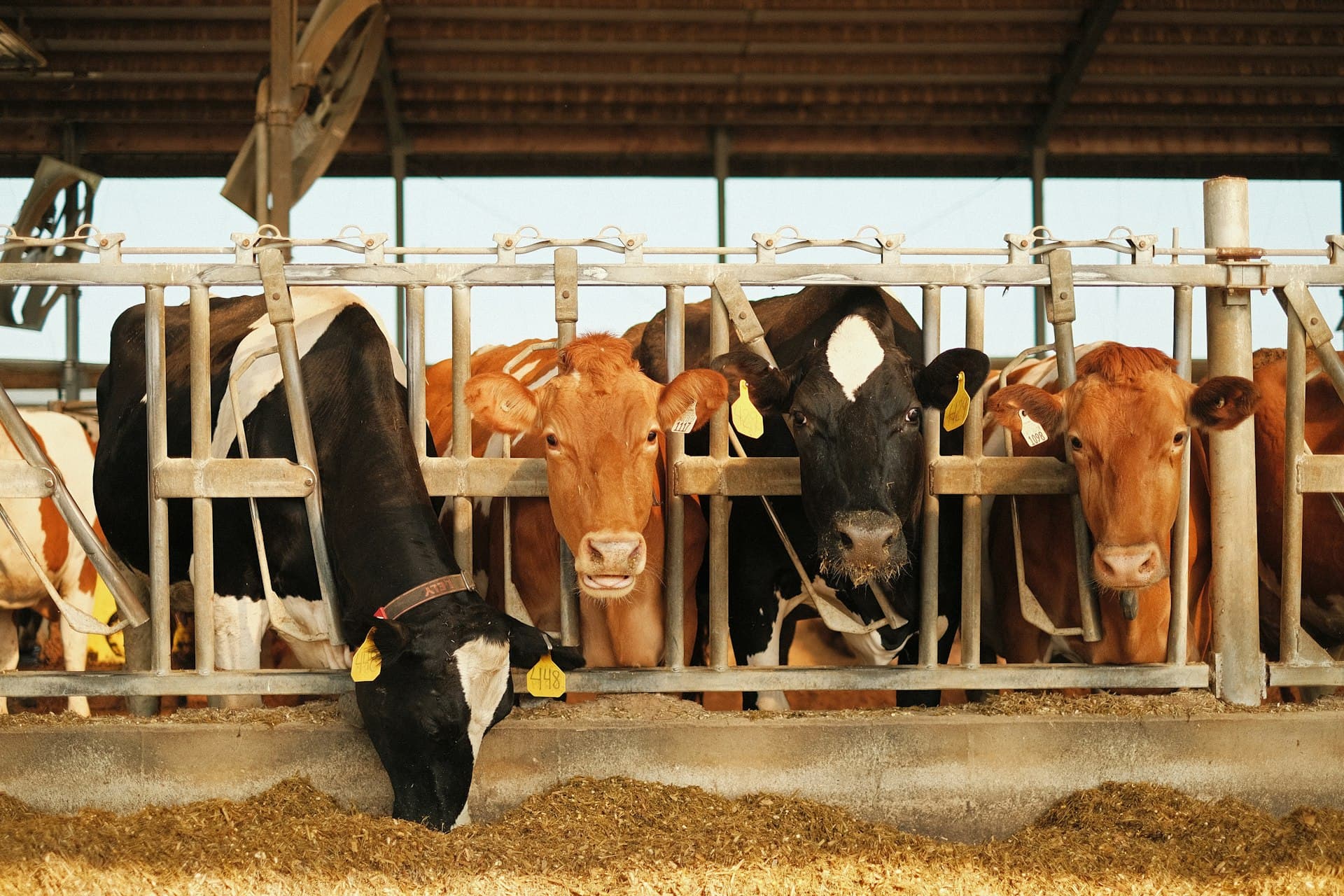
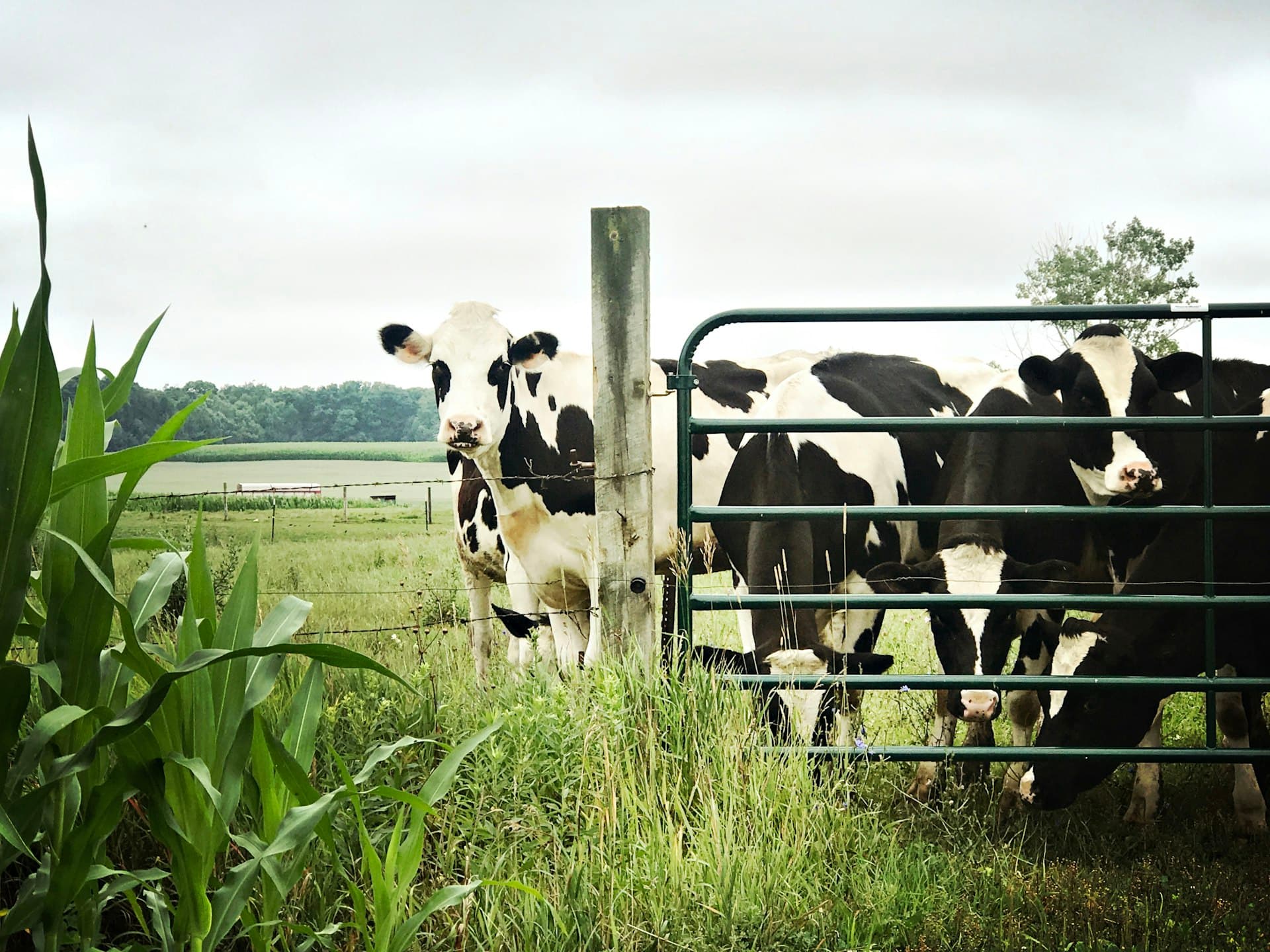
Dairy herds represent $3,000–$4,000+ per head. We structure livestock coverage for disease, injury, accidental death, and environmental stressors — with proper valuations for purebred and registered animals.
What Makes Dairy Different

There is no off season
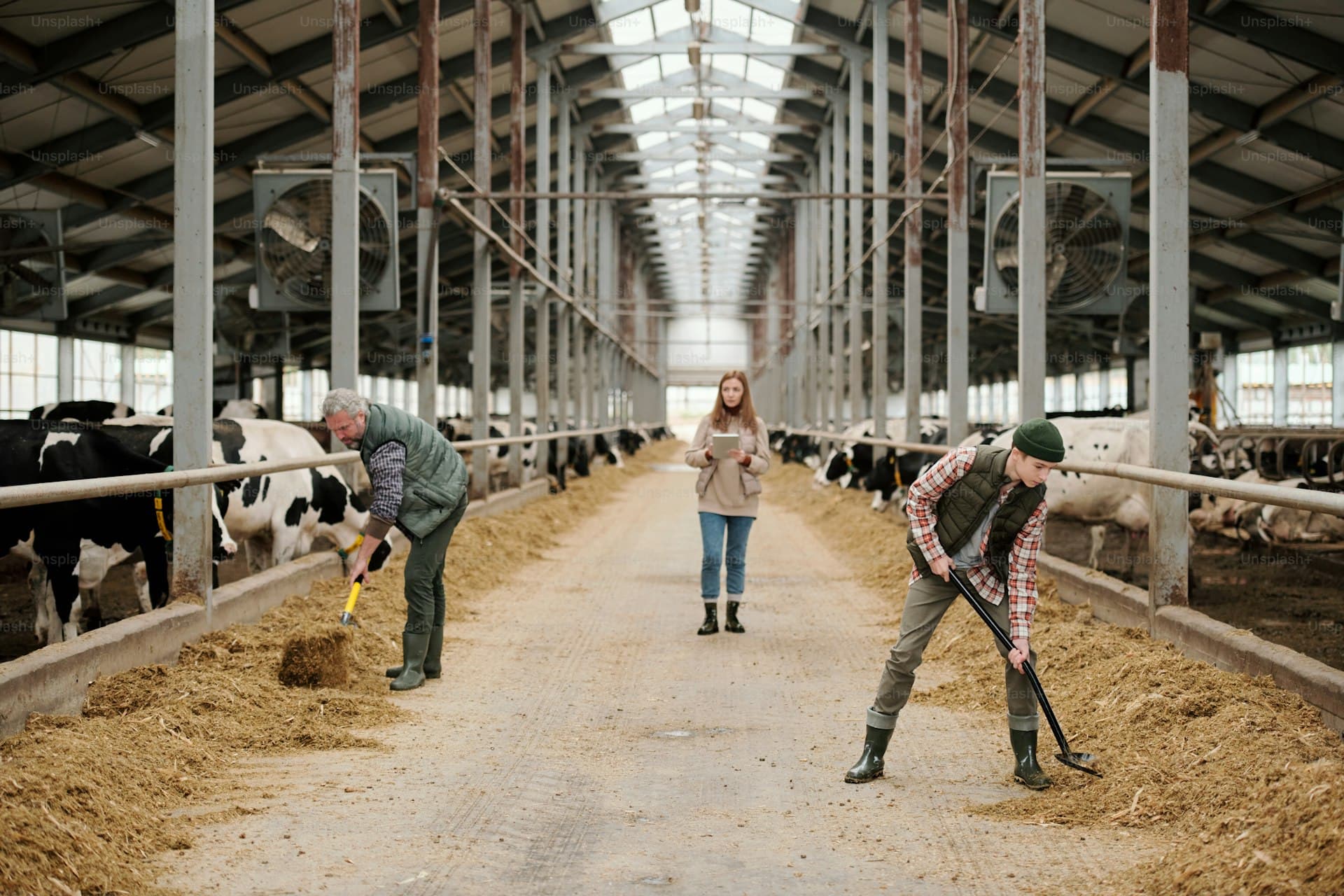
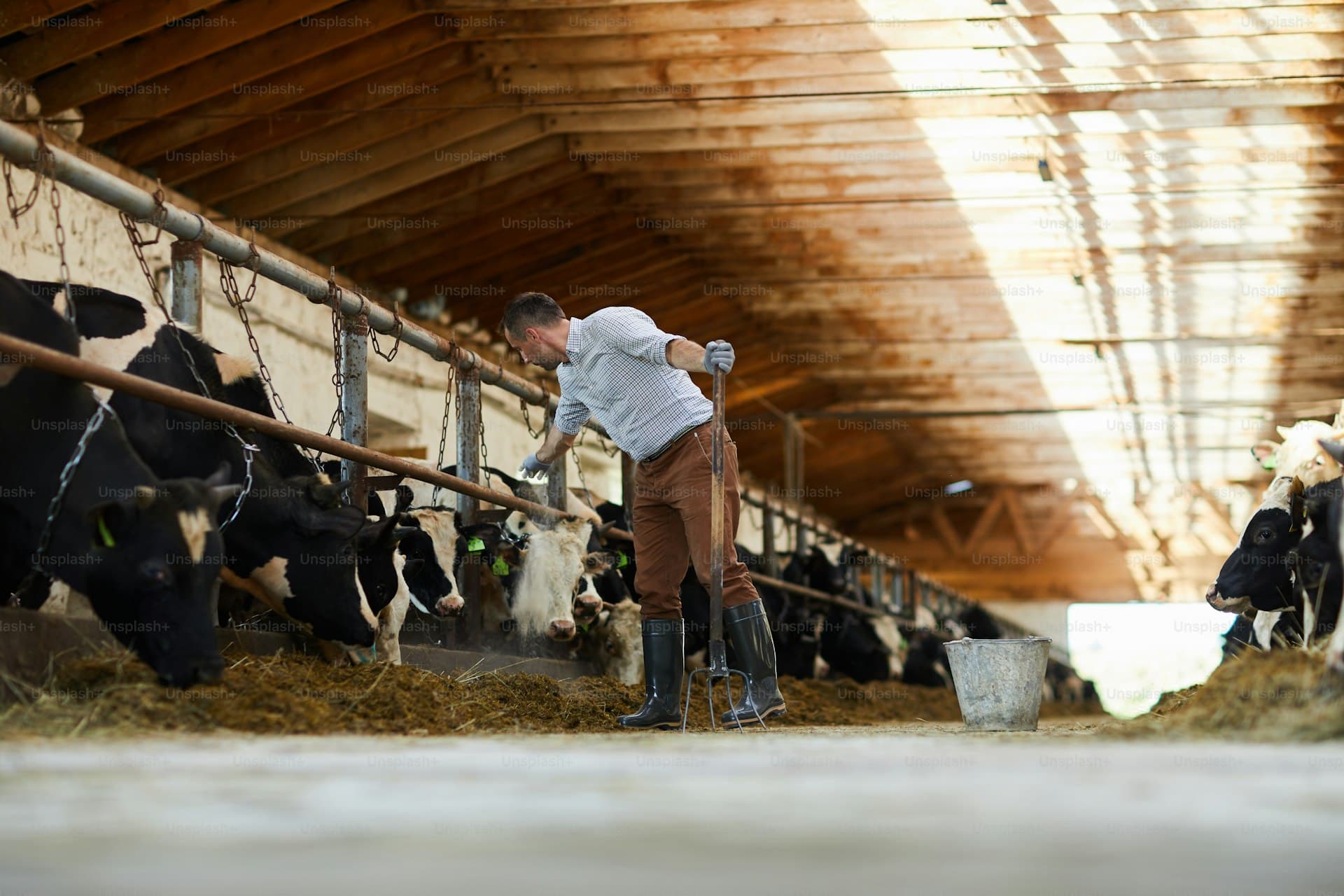
Cows must be milked two to three times every day, year-round. Any disruption to milking, cooling, or feeding is an immediate financial loss — not something that can wait for a claims adjuster.

Your quota is one of your biggest assets
Ontario dairy quota is capped at $24,000 per kilogram of butterfat per day. A mid-sized operation can hold $2.5 million or more in quota value alone. Your insurance program needs to account for this.

Barn fires are the number one property risk
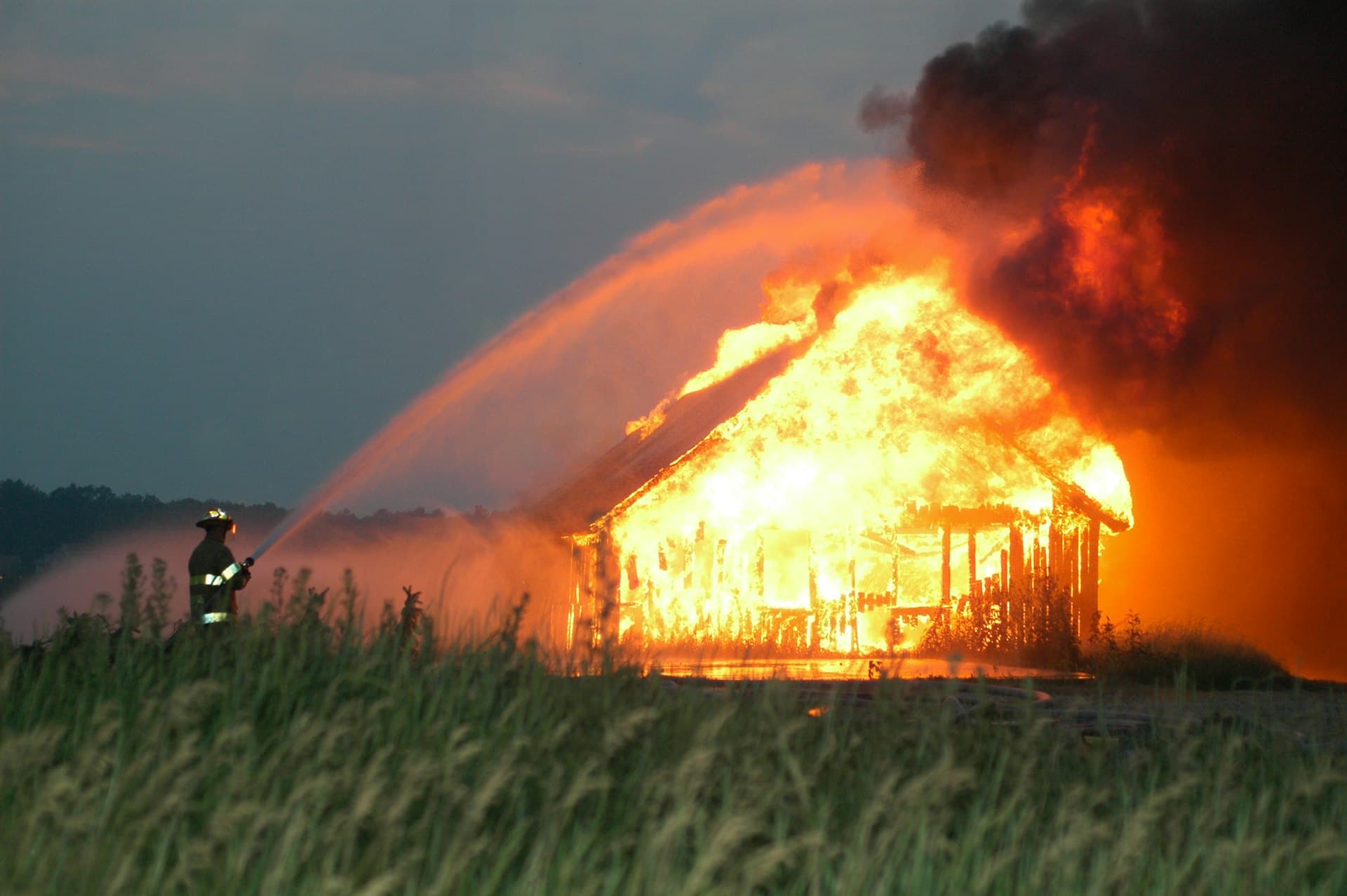
Ontario had 113 barn fires in 2023 with $91.3 million in total damages. Methane and ammonia from livestock corrode electrical components over time — it is the leading identified cause of barn fires.

Standard farm packages leave gaps
Many farm policies exclude pollution, limit livestock coverage to $500 per head, and do not cover silo failures or milk contamination. Dairy operations need endorsements that address these exposures specifically.
There is no off season
Cows must be milked two to three times every day, year-round. Any disruption to milking, cooling, or feeding is an immediate financial loss — not something that can wait for a claims adjuster.


Your quota is one of your biggest assets
Ontario dairy quota is capped at $24,000 per kilogram of butterfat per day. A mid-sized operation can hold $2.5 million or more in quota value alone. Your insurance program needs to account for this.
Barn fires are the number one property risk
Ontario had 113 barn fires in 2023 with $91.3 million in total damages. Methane and ammonia from livestock corrode electrical components over time — it is the leading identified cause of barn fires.


Standard farm packages leave gaps
Many farm policies exclude pollution, limit livestock coverage to $500 per head, and do not cover silo failures or milk contamination. Dairy operations need endorsements that address these exposures specifically.
Dairy is one of our farm specialties.
Let's build a program around your operation.
We review your buildings, equipment, herd, production, and exposures to structure coverage that actually fits — no generic farm packages.
Key Things to Know

Manure storage creates pollution liability
Ontario's Nutrient Management Act requires 240-day manure storage capacity for new or expanding operations. Spills can contaminate groundwater and waterways — and standard farm policies exclude pollution claims entirely.

Technology is changing the risk profile
Robotic milking systems, automated feeding, herd management software, and IoT sensors create new exposures. Cyberattacks on dairy operations are not theoretical — industry cooperatives have already been hit with ransomware demands.

Backup power is not optional
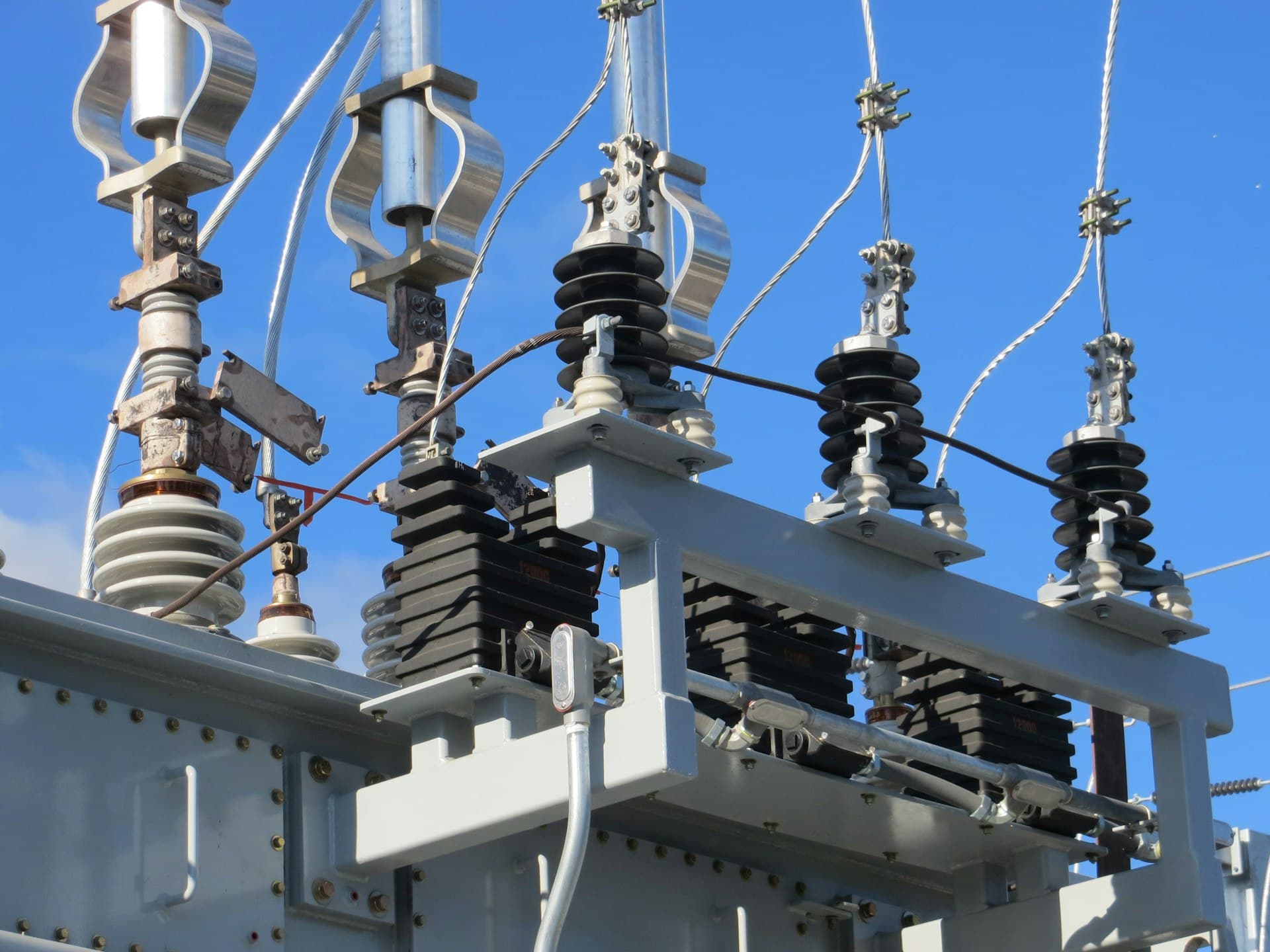
Without power, milking stops, bulk tanks warm, and feed systems shut down. We recommend dedicated generators for milking, feeding, and manure systems — and we make sure your policy covers the consequences of power failure.
Manure storage creates pollution liability
Ontario's Nutrient Management Act requires 240-day manure storage capacity for new or expanding operations. Spills can contaminate groundwater and waterways — and standard farm policies exclude pollution claims entirely.


Technology is changing the risk profile
Robotic milking systems, automated feeding, herd management software, and IoT sensors create new exposures. Cyberattacks on dairy operations are not theoretical — industry cooperatives have already been hit with ransomware demands.
Backup power is not optional
Without power, milking stops, bulk tanks warm, and feed systems shut down. We recommend dedicated generators for milking, feeding, and manure systems — and we make sure your policy covers the consequences of power failure.

Common Dairy Farm Add-Ons
These are the coverages dairy operations often need beyond a standard farm policy.
Frequently Asked Questions
How is dairy farm insurance different from general farm insurance?
Dairy operations run continuously with perishable product, high-value livestock, and specialized equipment. Coverage needs to address milk spoilage, equipment breakdown for milking systems, proper livestock valuations, and business interruption for a 365-day operation — exposures that general farm policies often miss.
Ready to Work with an Expert?
Talk to a Product Expert Today!
Get personalized advice and a quote tailored to your specific needs.


