





Fleet Insurance
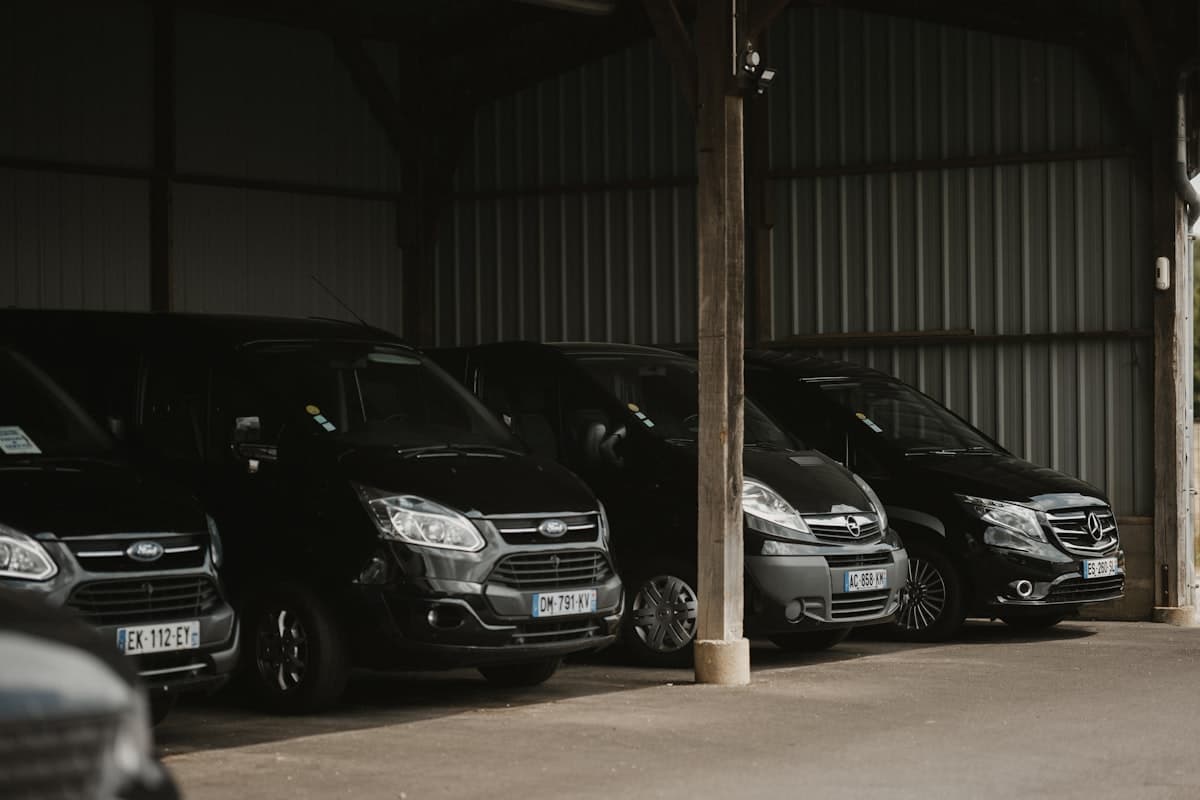
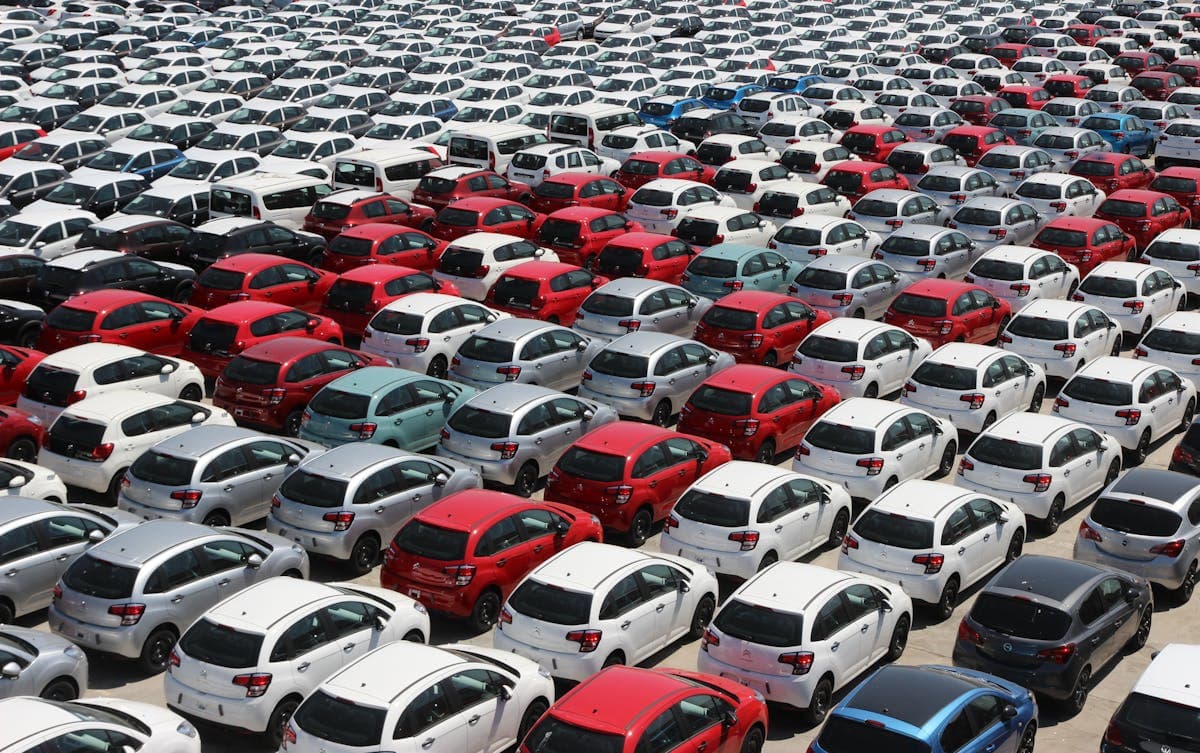
Once you have 5 or more commercially-rated vehicles, you are typically in fleet territory. Fleet programs are often structured with more flexible rating rules, and the pricing becomes more tied to your claims history and loss runs, rather than by a single driver or a single vehicle.
Why Fleet Is Different

Pricing follows the fleet's results
Fleet underwriting tends to put more weight on the fleet's overall claims performance. Clean loss runs and good controls can translate into better outcomes over time.

More room to negotiate
Fleets are underwritten as a program. When the story is clear and the controls are strong, there is often more opportunity to negotiate deductibles, terms, and structure.

Designed for ongoing change
Vehicles get replaced, drivers change, and operations evolve. A proper fleet program is built to handle adds, deletes, and replacements.
How Fleet Policies Are Structured

One policy, multiple vehicles
The business insures the fleet as a unit. Vehicles are scheduled, and the policy is designed to accommodate ongoing additions and replacements.

Driver rules and authorization
Many fleets are set up so authorized drivers can operate any scheduled vehicle, subject to underwriting rules. This is where your hiring standards and driver controls matter.

Claims performance and loss runs
Underwriters rely on your loss runs to understand frequency, severity, and trend. This is one of the most important documents in a fleet renewal, and we use it to tell the story properly.

Higher-stakes exposures get underwritten differently
Heavier vehicles, specialized units, towing exposure, and certain industries require more underwriting detail. We position this properly from the start.
One policy, multiple vehicles
The business insures the fleet as a unit. Vehicles are scheduled, and the policy is designed to accommodate ongoing additions and replacements.


Driver rules and authorization
Many fleets are set up so authorized drivers can operate any scheduled vehicle, subject to underwriting rules. This is where your hiring standards and driver controls matter.
Claims performance and loss runs
Underwriters rely on your loss runs to understand frequency, severity, and trend. This is one of the most important documents in a fleet renewal, and we use it to tell the story properly.


Higher-stakes exposures get underwritten differently
Heavier vehicles, specialized units, towing exposure, and certain industries require more underwriting detail. We position this properly from the start.
If you have 5+ commercial-rated vehicles, you should be quoting fleet.
We take the time to understand your operations to secure you the best possible price.
Appetite and rules vary by insurer, and small differences in how the fleet is classified and presented can change the outcome. We'll make sure the underwriting story is clear, and push for the best terms available.
Key Things to Know

What drives fleet pricing
Underwriters look at overall loss experience, driver controls, vehicle types, radius, annual kilometres, industry, and how vehicles are used.

Drivers under 25, tickets, and experience
Many insurers surcharge or restrict drivers under 25, drivers with 2+ tickets, or drivers with certain at-fault patterns. If those drivers are part of your operation, we'll negotiate accordingly.

Clean data drives clean renewals
Fleet renewals go best when vehicle lists, driver lists, and usage details are current. We keep this organized so the underwriter isn't guessing and you're not scrambling at renewal.
What drives fleet pricing
Underwriters look at overall loss experience, driver controls, vehicle types, radius, annual kilometres, industry, and how vehicles are used.


Drivers under 25, tickets, and experience
Many insurers surcharge or restrict drivers under 25, drivers with 2+ tickets, or drivers with certain at-fault patterns. If those drivers are part of your operation, we'll negotiate accordingly.
Clean data drives clean renewals
Fleet renewals go best when vehicle lists, driver lists, and usage details are current. We keep this organized so the underwriter isn't guessing and you're not scrambling at renewal.

Recommended Coverages for Fleet Vehicles
Liability is the foundation. We'll tailor deductibles and endorsements to your operation, selecting coverages and limits that align with your risk tolerance and budget.
Frequently Asked Questions
When does a business qualify for fleet insurance?
Typically at 5 or more commercially-rated vehicles, though the definition can vary by insurer and vehicle type. If you're at 4 vehicles and growing, we can often position you for fleet.
Ready to Work with an Expert?
Talk to a Product Expert Today!
Get personalized advice and a quote tailored to your specific needs.


