
Poultry Farm Insurance in Ontario

Poultry Farm Insurance in Ontario

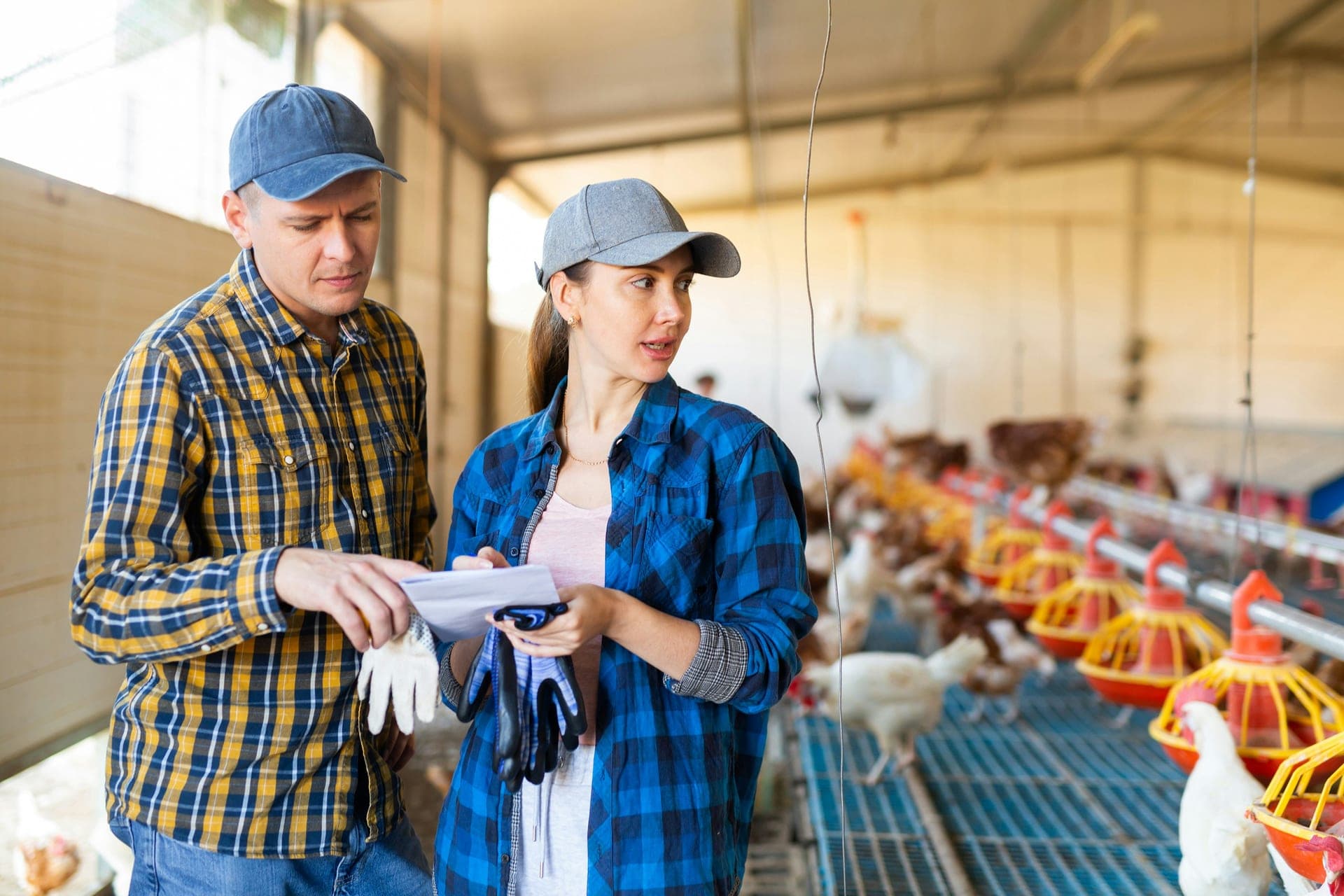
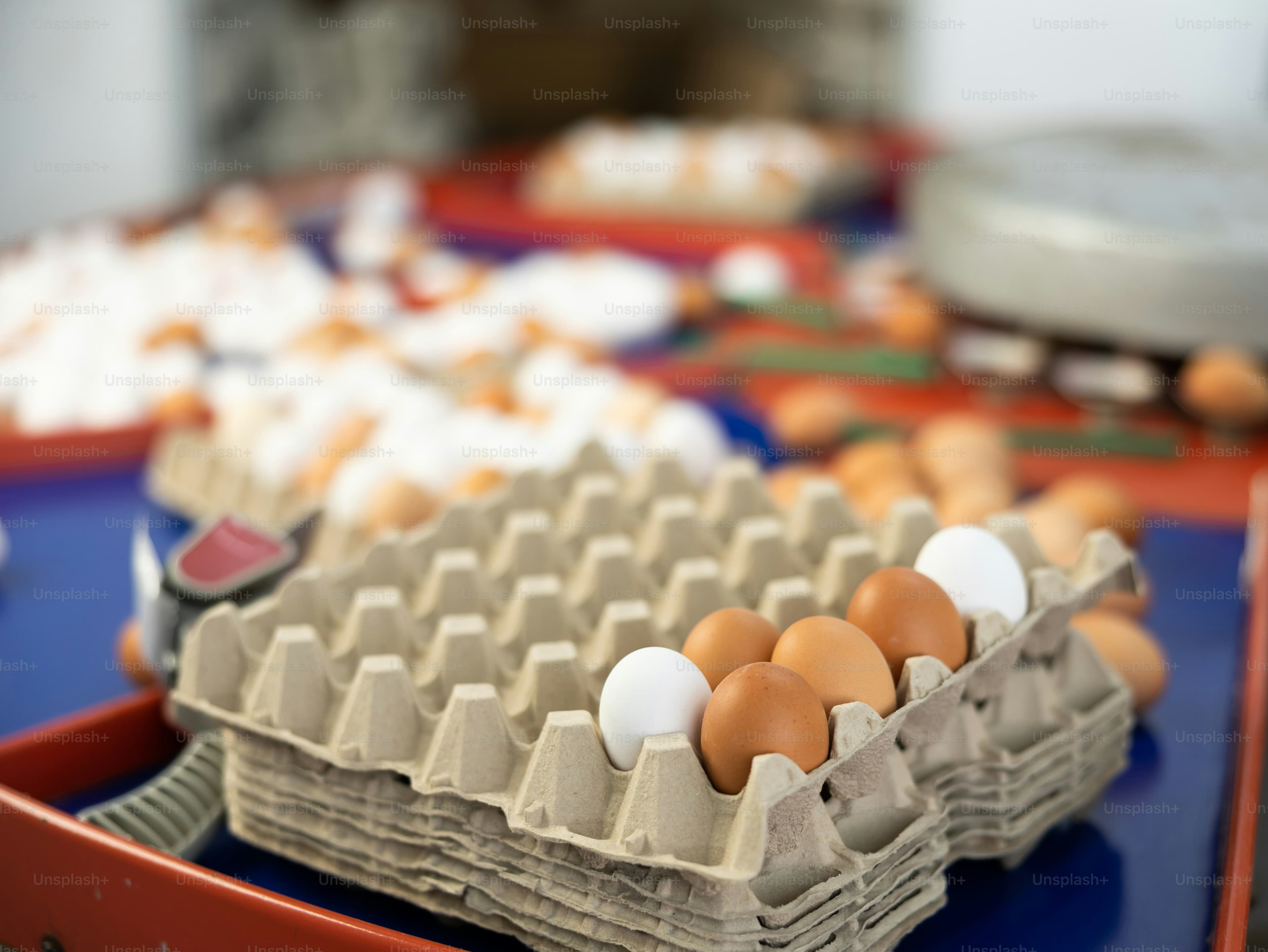
Ontario produces over 200 million chickens and 40% of Canada's eggs every year. Whether you run a broiler operation, a layer barn, or a turkey farm, your insurance needs to cover the risks that are unique to poultry — disease outbreaks, ventilation failures, supply management obligations, and barns full of high-value birds.

What Poultry Farms Need

Barns and outbuilding coverage

Barns and outbuilding coverage

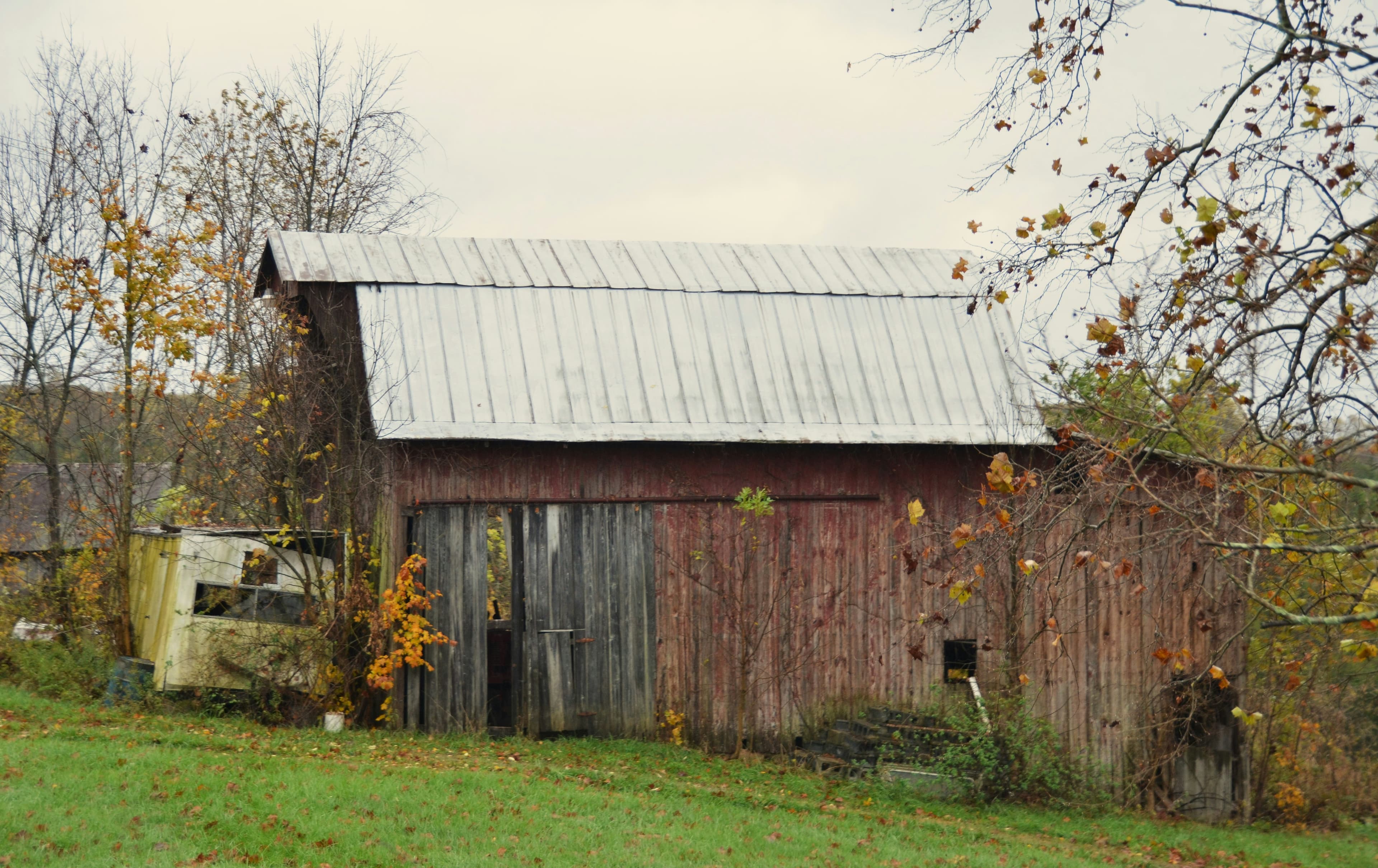
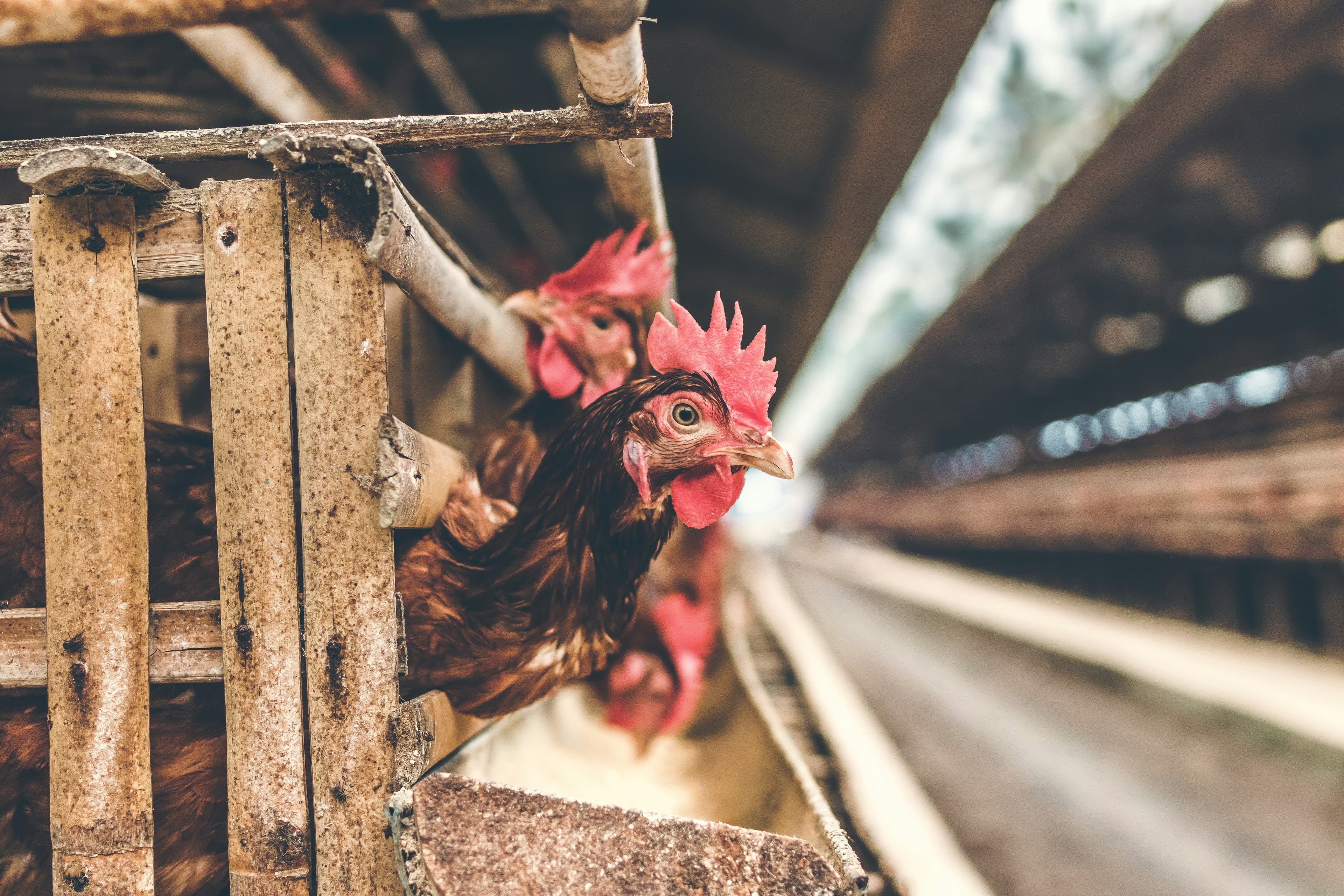
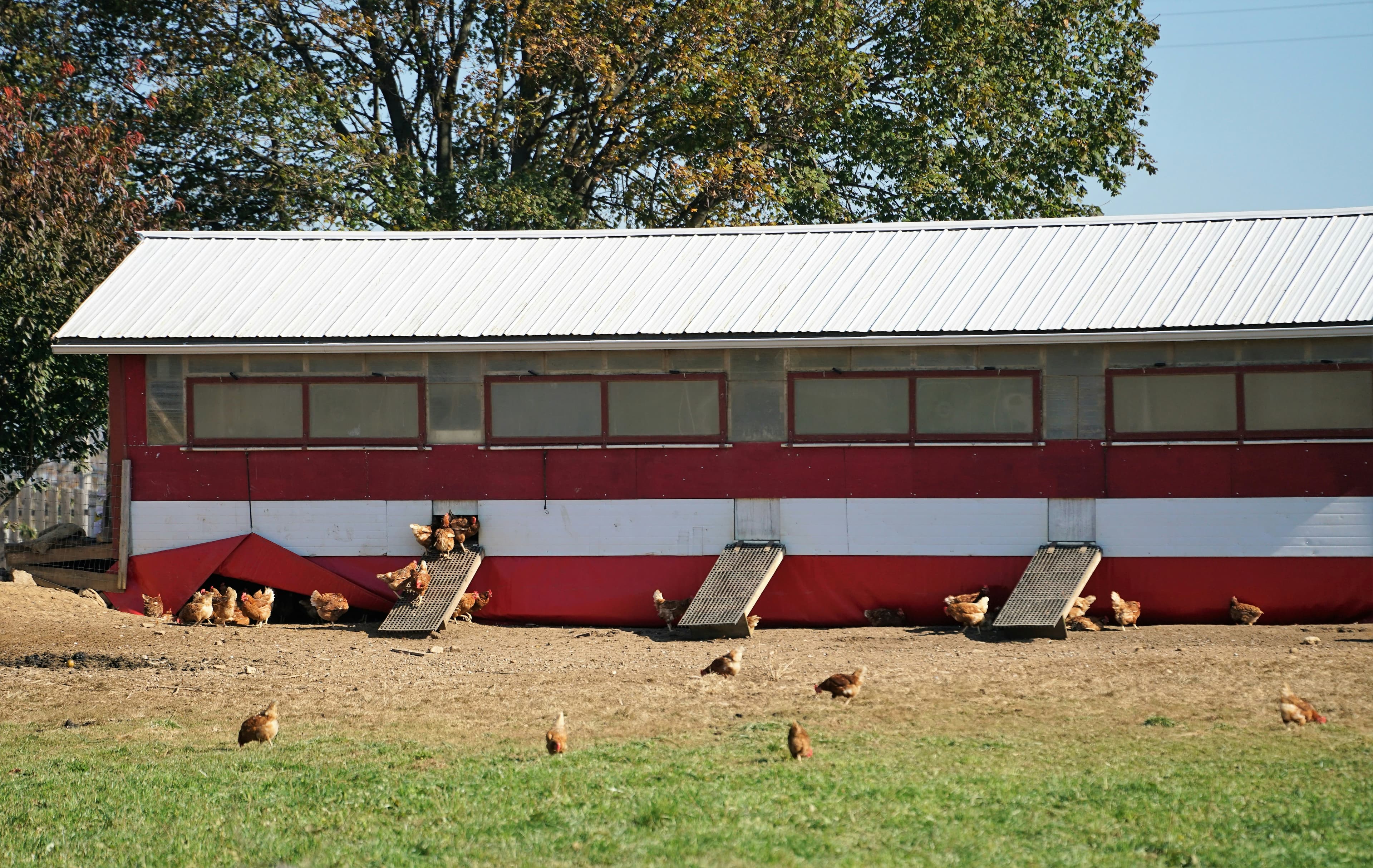
Protection for poultry barns, laying houses, egg gathering facilities, feed storage, and service buildings. Barn fires account for over 95% of all livestock fire deaths — replacement cost coverage is critical for modern confinement buildings.

Flock and livestock coverage

Flock and livestock coverage

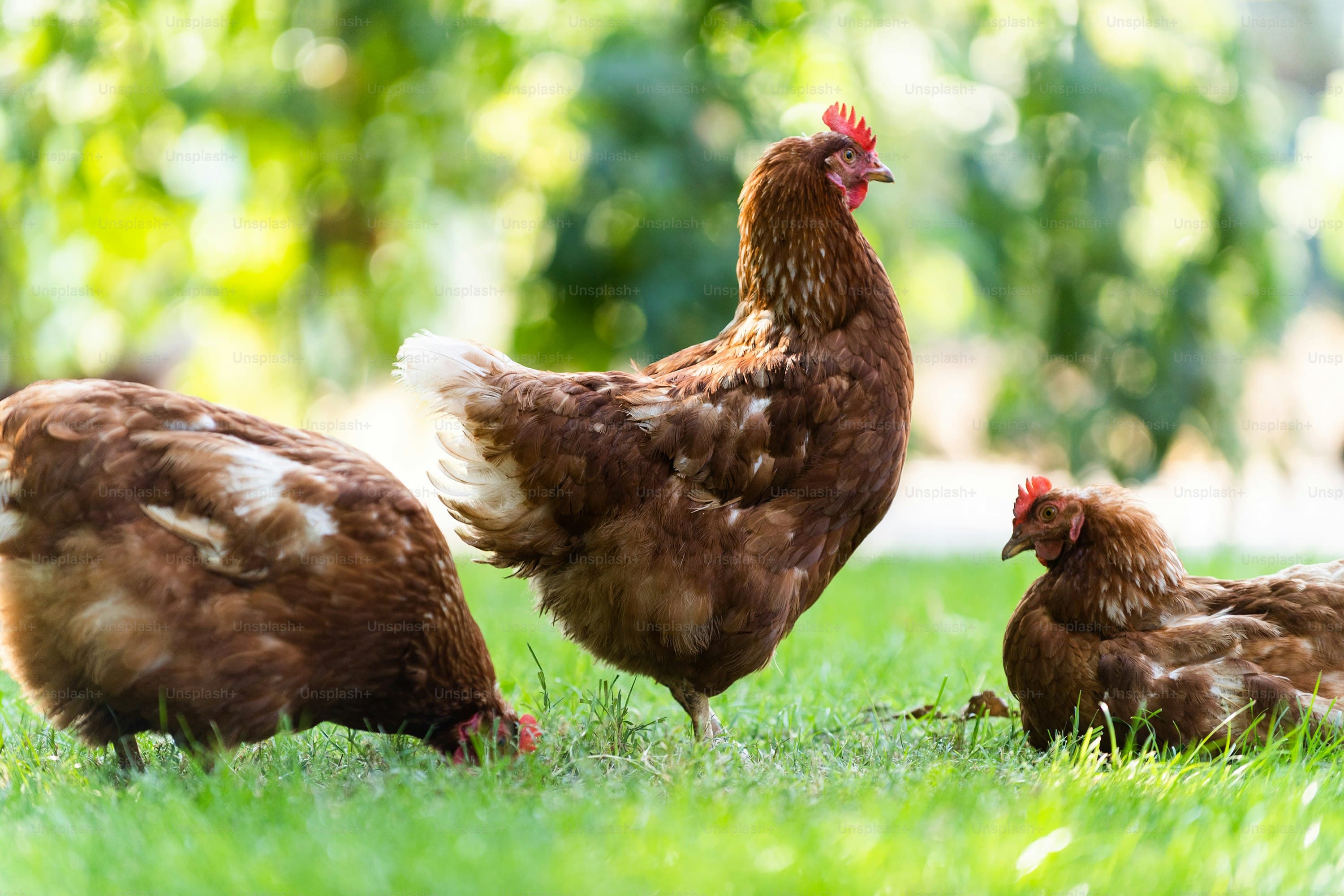
Named-perils or all-risk mortality coverage for your birds. Standard policies only cover fire, collapse, and windstorm — disease endorsements are essential for protection against avian influenza and other flock-wide threats.

Equipment breakdown

Equipment breakdown

Ventilation, cooling, feed lines, water delivery, and environmental controllers must run continuously. Equipment breakdown coverage pays for repairs, labour, and lost income when mechanical or electrical systems fail.

Risks Most Producers Overlook

01
Standard policies exclude disease and illness

Standard policies exclude disease and illness

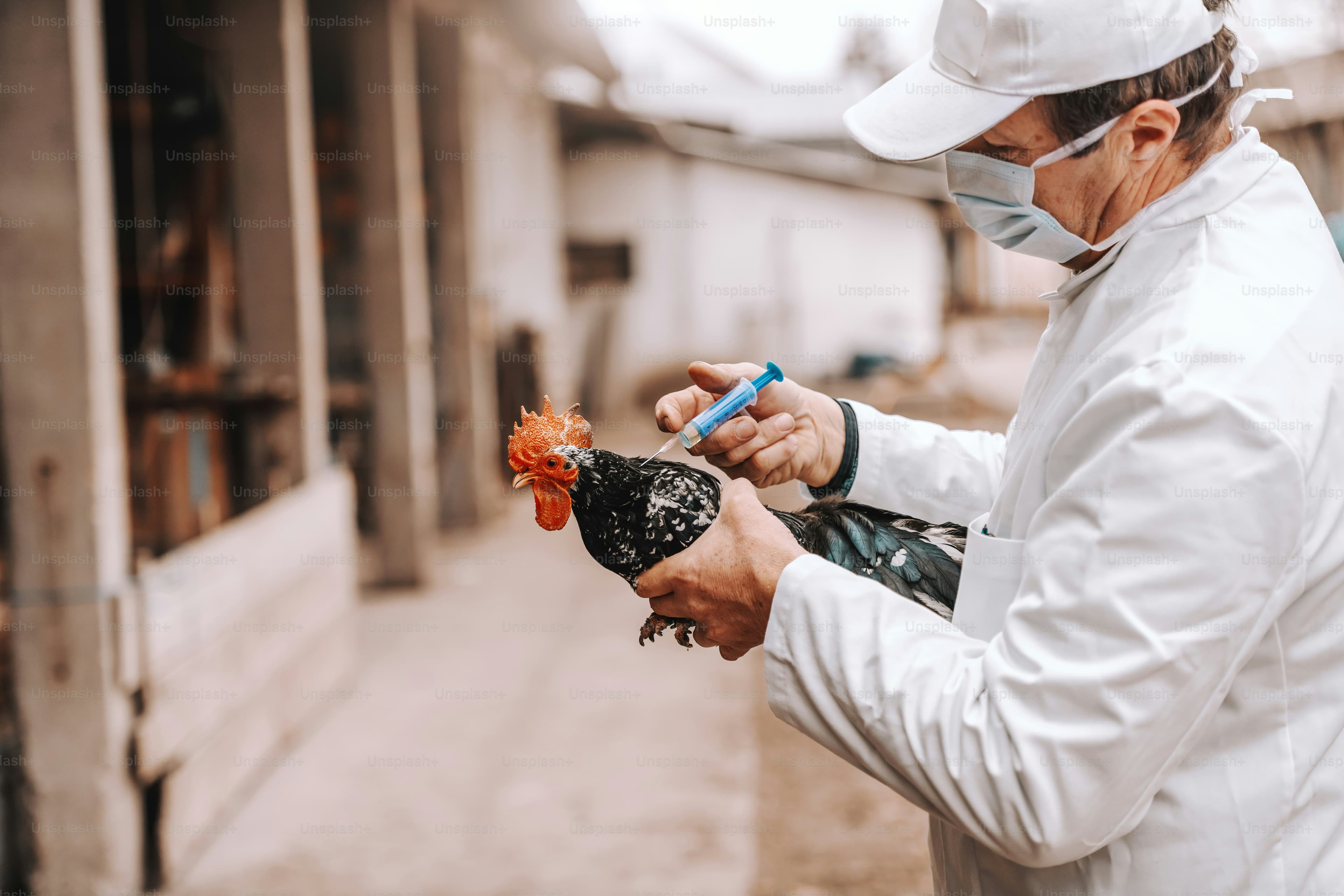
Most farmowner policies only cover livestock on a named-perils basis — fire, windstorm, building collapse. Avian influenza, Salmonella, and other diseases are excluded unless you add specific endorsements or standalone mortality coverage.

02
Power outages can kill an entire flock in hours

Power outages can kill an entire flock in hours

Most policies exclude off-premises power interruption. Every commercial poultry house depends on uninterrupted electricity for ventilation, cooling, feed, and water. Without a power failure endorsement, a grid outage that suffocates your birds is uninsured.

03
Suffocation sub-limits are often far too low

Suffocation sub-limits are often far too low

Default suffocation limits may be capped at $25,000 when actual losses can reach $250,000 or more. We review these sub-limits at every renewal and make sure they reflect your actual flock value.

04
CFIA compensation does not make you whole

CFIA compensation does not make you whole

When avian influenza hits, CFIA orders depopulation and compensates for the birds. But they do not cover lost production income, cleaning and disinfection costs, or business interruption during quarantine — that gap can run months and six figures.

Poultry insurance is not one-size-fits-all.

We know the coverage gaps that cost producers the most.

From disease endorsements to power failure coverage to proper sub-limits, we build programs that actually protect your operation — not just check a box.

Key Things to Know

01
Pollution liability needs to be handled properly

Pollution liability needs to be handled properly

Standard farm policies have an absolute pollution exclusion. Manure runoff, groundwater contamination, and nutrient management violations require a separate pollution liability endorsement — and Ontario's Nutrient Management Act makes compliance non-optional.

02
Quota has real financial value

Quota has real financial value

Under supply management, your production quota is a tradeable asset worth significant money. If an insured event prevents you from producing, the loss of quota value and associated income is not automatically covered — ask your broker about protecting this investment.

03
Update your statement of values annually

Update your statement of values annually

Poultry operations constantly change — flock sizes, equipment purchases, building improvements. Farms can be underinsured by as much as 30%. An annual review with your broker ensures coverage keeps pace with your operation.

Common Add-Ons for Poultry Operations

These are the coverages poultry producers often add based on their specific operations and risk profile.

Livestock mortality insurance

Livestock mortality insurance

Hover to flip

Livestock mortality insurance

Standalone mortality policies from specialists like Canadian Farm Insurance Corp. cover death from a wider range of causes including illness. Options include All Risks of Mortality (ARM), Restricted Perils (RP), and Accidental External Injury (AEI). Coverage uses market value at time of death.

Hover away to flip back
Product liability and recall

Product liability and recall

Hover to flip

Product liability and recall

If your eggs or poultry products cause a Salmonella outbreak or other consumer harm, product liability covers the legal costs and settlements. Product recall coverage pays for the logistics of pulling product from shelves and notifying consumers — an increasingly important coverage as food safety regulations tighten.

Hover away to flip back
Transit and stock coverage

Transit and stock coverage

Hover to flip

Transit and stock coverage

Farm stock coverage can protect eggs while stored and while in transit to grading stations or retailers. Livestock transit coverage protects chicks coming from the hatchery and birds moving to the processor. Both must be specifically included in your policy — they are not automatic.

Hover away to flip back
Umbrella and excess liability

Umbrella and excess liability

Hover to flip

Umbrella and excess liability

Commercial poultry operations face significant liability exposure — employee injuries, delivery vehicle accidents, product liability claims. An umbrella policy provides an additional layer of protection above your primary liability limits, often at a fraction of the cost of increasing each underlying policy.

Hover away to flip back
FAQ

Frequently Asked Questions

Ready to Work with an Expert?

Talk to a Product Expert Today!

Get personalized advice and a quote tailored to your specific needs.