Roofing Contractor Insurance in Ontario
Roofing is one of the toughest classes in commercial insurance. Claims are often high-severity, contract requirements are strict, and the details of your scope matter a lot (shingle vs flat, torch-on vs cold application, residential vs commercial vs industrial). We build roofing programs that match how you actually work, so you can bid confidently, issue certificates quickly, and keep coverage in place as you grow.
What a Proper Roofer Program Includes

Liability built for roofing
CGL with the right completed operations, hot work considerations, and contract endorsements (Additional Insured, Waiver of Subrogation, primary/non-contributory where required). Most roofers carry $2M to $5M liability, and some commercial/ICI projects require more.

Tools and equipment that move
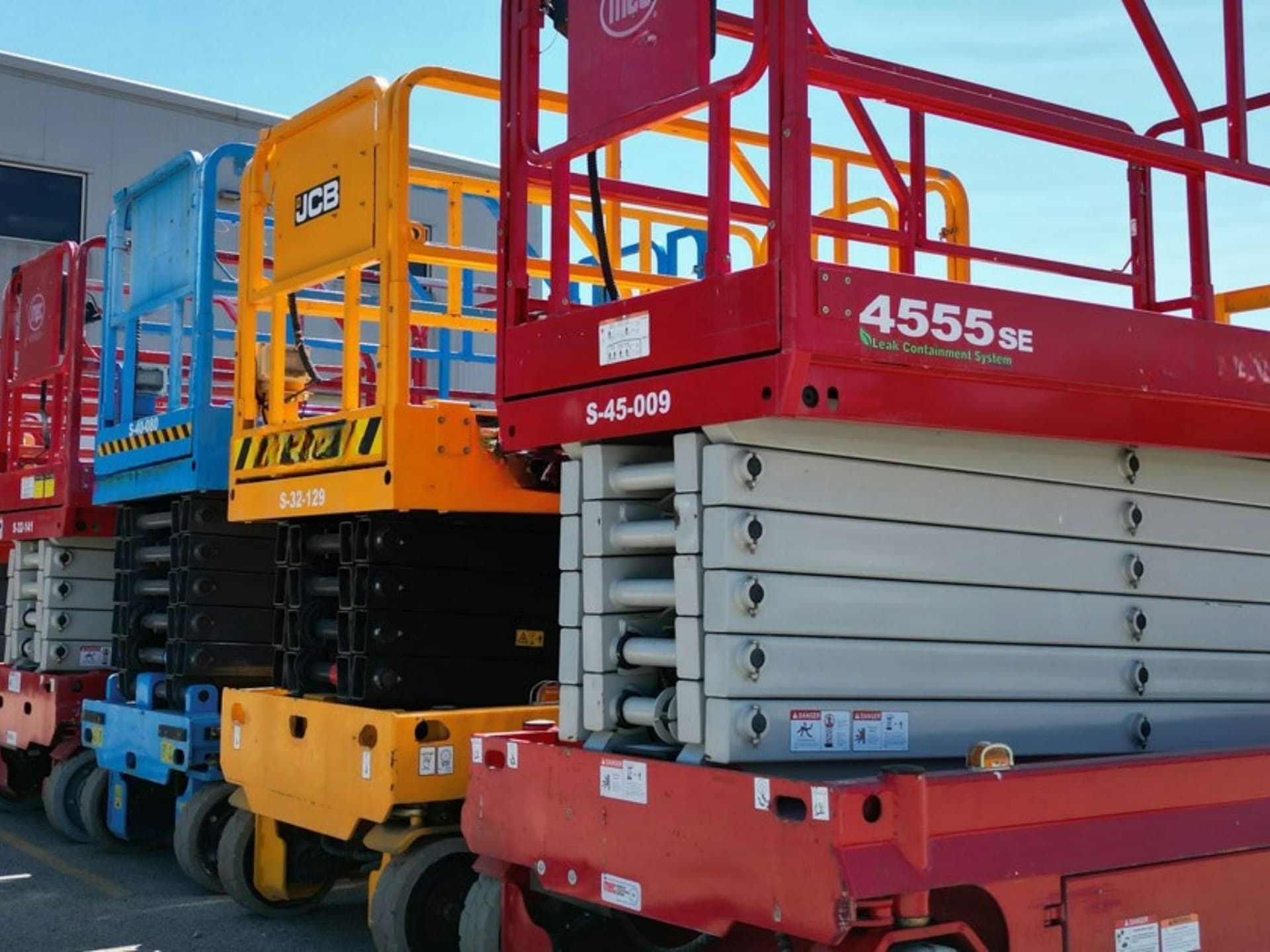
Tool coverage and equipment coverage that follows you from yard to jobsite. This is also where we deal with rented gear, lifts, bin rentals, and equipment you are responsible for under a rental contract.
The extra coverages that are not optional for many roofers
Contractor E&O (when you take on design, spec, or advisory exposure), pollution considerations, cyber/funds transfer protection, commercial auto, and property coverage if you have a shop or storage location.
Pricing: What Drives Roofer Insurance Costs?

Roofing method and materials
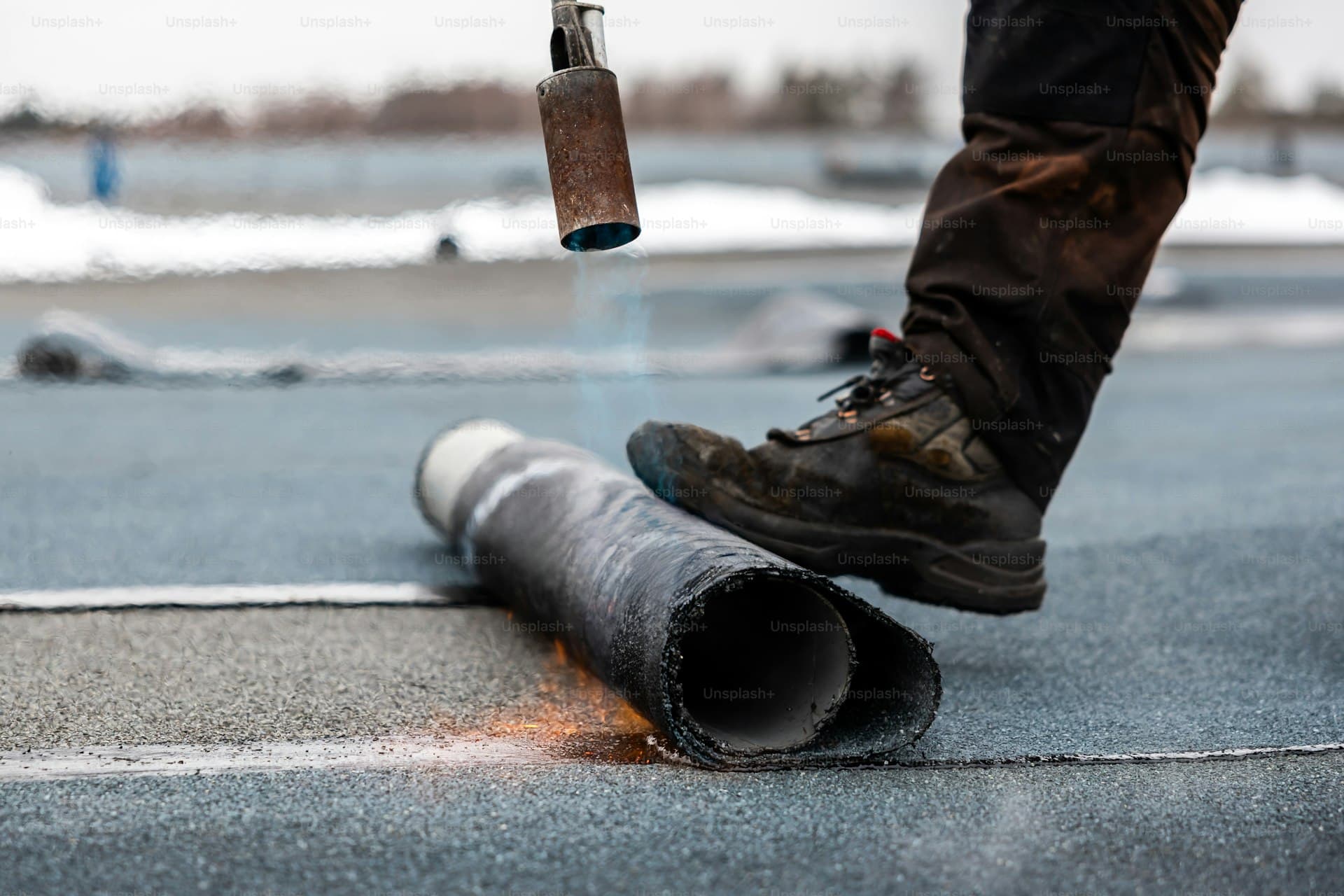
Torch-on and other hot work, hot mop, cold application, shingle, metal, membrane, EPDM. Hot work usually changes underwriting requirements and warranty language.
Type of work and where you work
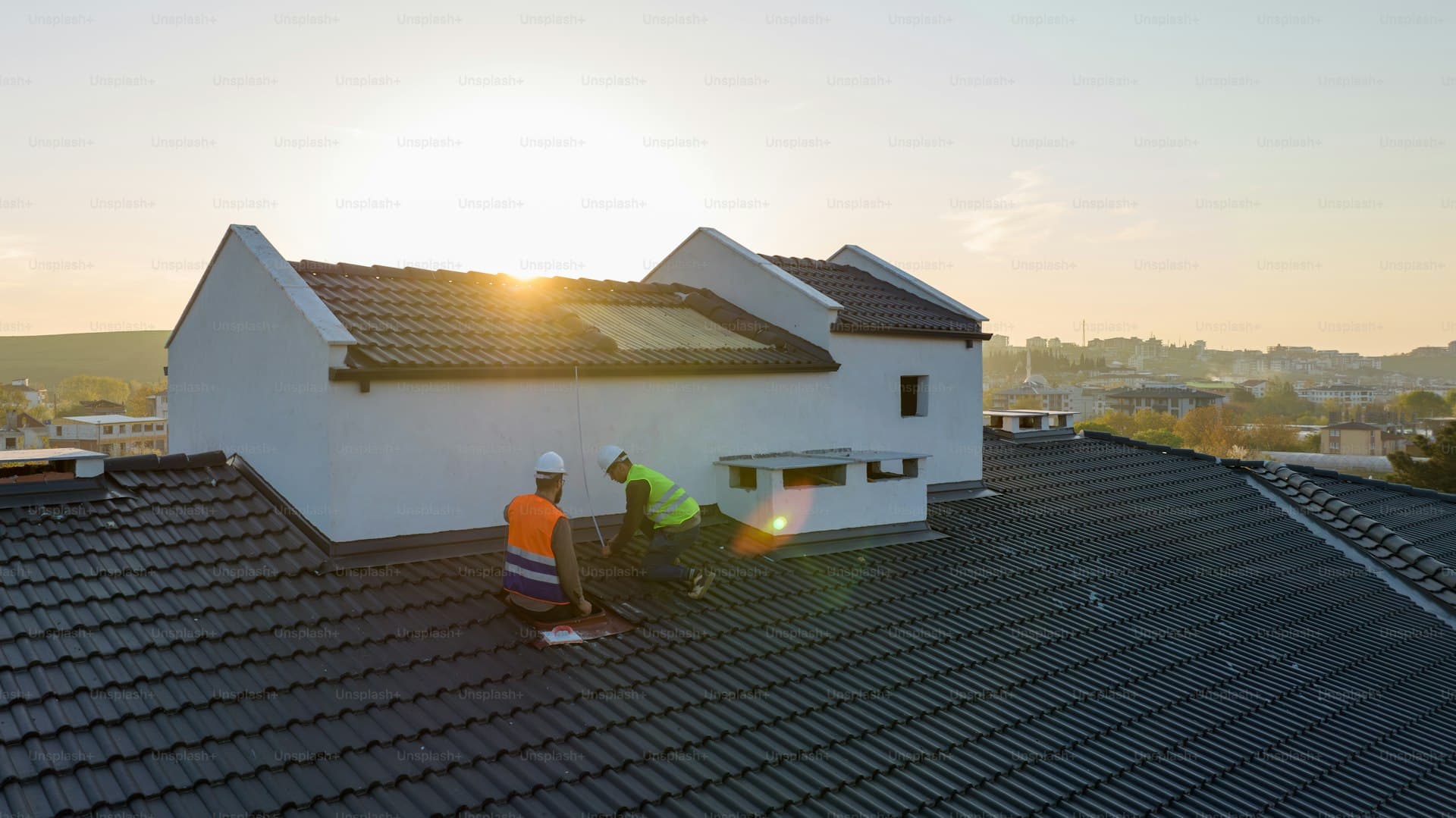
Residential, commercial, industrial, institutional, condo, occupied buildings, high-rises, and tight urban sites all affect exposure and required limits.
Heights, access, and jobsite controls
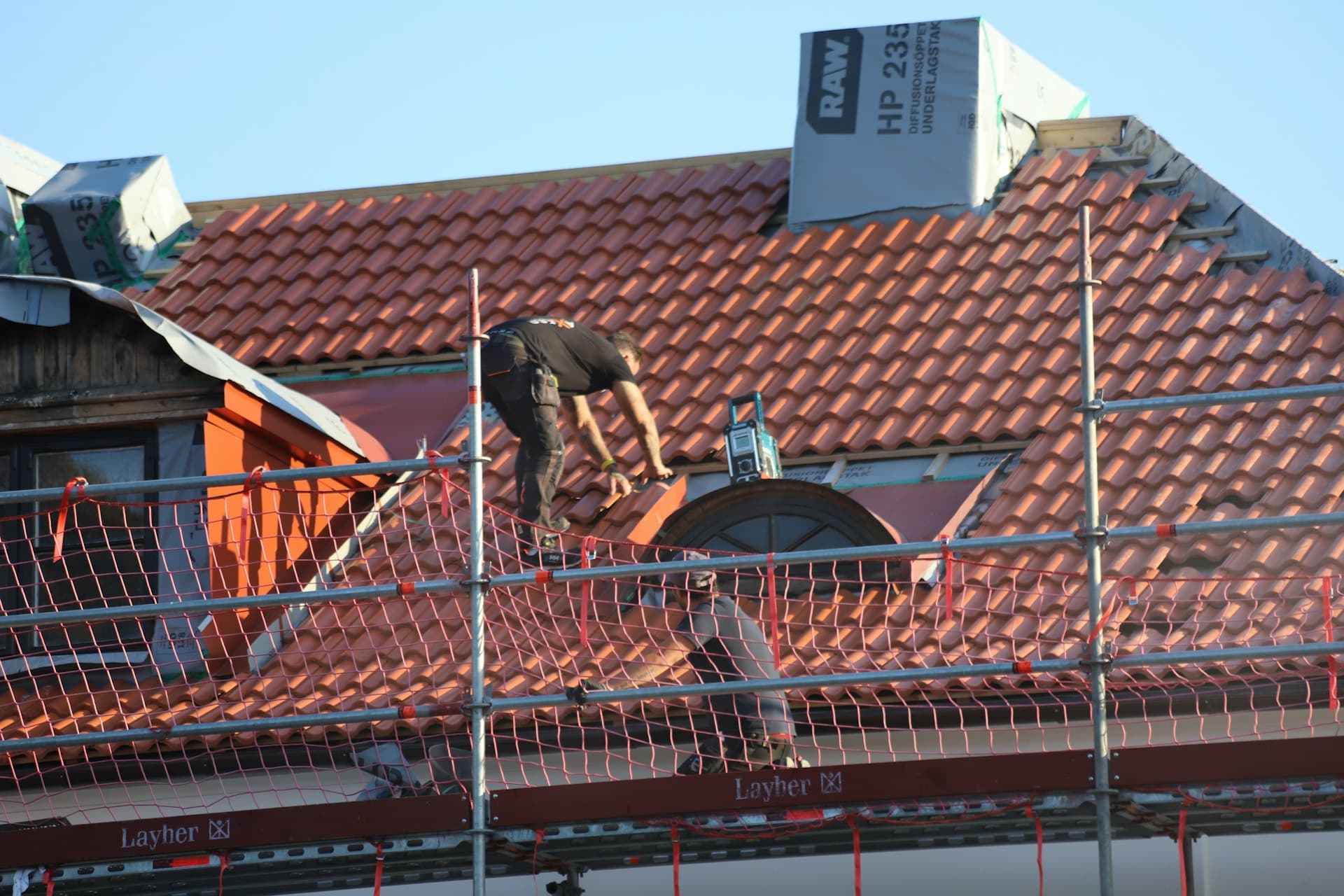
Height/stories, tie-off practices, housekeeping, fire watch procedures, and how you protect adjacent property.

Subcontractor use and contract transfer
Who is doing the work, how subs are controlled, and whether you have consistent subcontractor insurance requirements and certificates.
Roofing method and materials
Torch-on and other hot work, hot mop, cold application, shingle, metal, membrane, EPDM. Hot work usually changes underwriting requirements and warranty language.
Type of work and where you work
Residential, commercial, industrial, institutional, condo, occupied buildings, high-rises, and tight urban sites all affect exposure and required limits.
Heights, access, and jobsite controls
Height/stories, tie-off practices, housekeeping, fire watch procedures, and how you protect adjacent property.
Subcontractor use and contract transfer
Who is doing the work, how subs are controlled, and whether you have consistent subcontractor insurance requirements and certificates.
Whatever you do, we have you covered
The details matter with roofing, pay for exactly what you need
We have expertise with roofing to make sure you get multiple solid options and advice. Get the right coverage at the right price.
Key Things to Know
Hot work needs to be handled properly
Torch-on and other hot work often require specific underwriting acceptance and hot work warranty language. We confirm your scope, confirm how the policy treats hot work, and align it to what owners and GCs expect.
Completed operations matters for roofers
Leaks, water damage allegations, and your work caused damage claims often arise after completion. We focus on clean completed operations coverage and clear expectations on what is and is not a warranty for your workmanship.

Certificates, Additional Insured, Waiver of Subrogation
Property managers, GCs, and project owners commonly require certificates on short timelines. We keep your standard wording organized so COIs do not become a bottleneck when you are trying to start work.
Hot work needs to be handled properly
Torch-on and other hot work often require specific underwriting acceptance and hot work warranty language. We confirm your scope, confirm how the policy treats hot work, and align it to what owners and GCs expect.
Completed operations matters for roofers
Leaks, water damage allegations, and your work caused damage claims often arise after completion. We focus on clean completed operations coverage and clear expectations on what is and is not a warranty for your workmanship.
Certificates, Additional Insured, Waiver of Subrogation
Property managers, GCs, and project owners commonly require certificates on short timelines. We keep your standard wording organized so COIs do not become a bottleneck when you are trying to start work.
Coverages Roofers Commonly Add
This is where a roofing program becomes contract-ready. We'll recommend what fits your scope and your contracts.


Frequently Asked Questions
Do I need special coverage for torch-on or hot work?
Many insurers treat hot work differently, and some require specific warranty language and controls (including fire watch expectations). If you do any hot work, tell us up front so the policy matches reality.
Ready to Work with an Expert?
Talk to a Product Expert Today!
Get personalized advice and a quote tailored to your specific needs.