Restaurant Insurance in Ontario
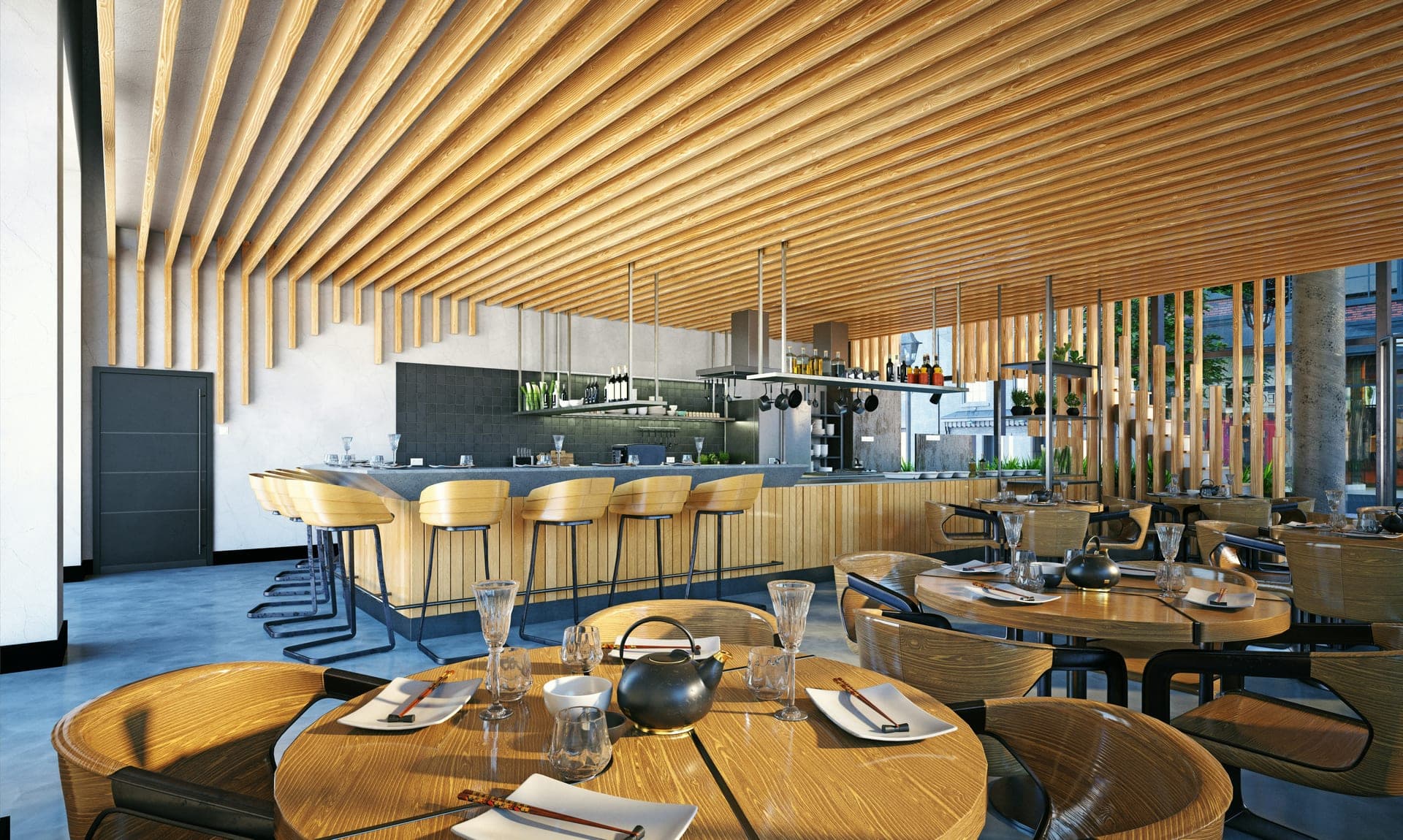
Restaurants have several exposures in one space: fire, liability, liquor, food safety, equipment and dynamic staffing. We build coverage around your operations so you know your options and can feel confident that a large loss won't put you out of business.
What Every Restaurant Needs Covered
Commercial general liability
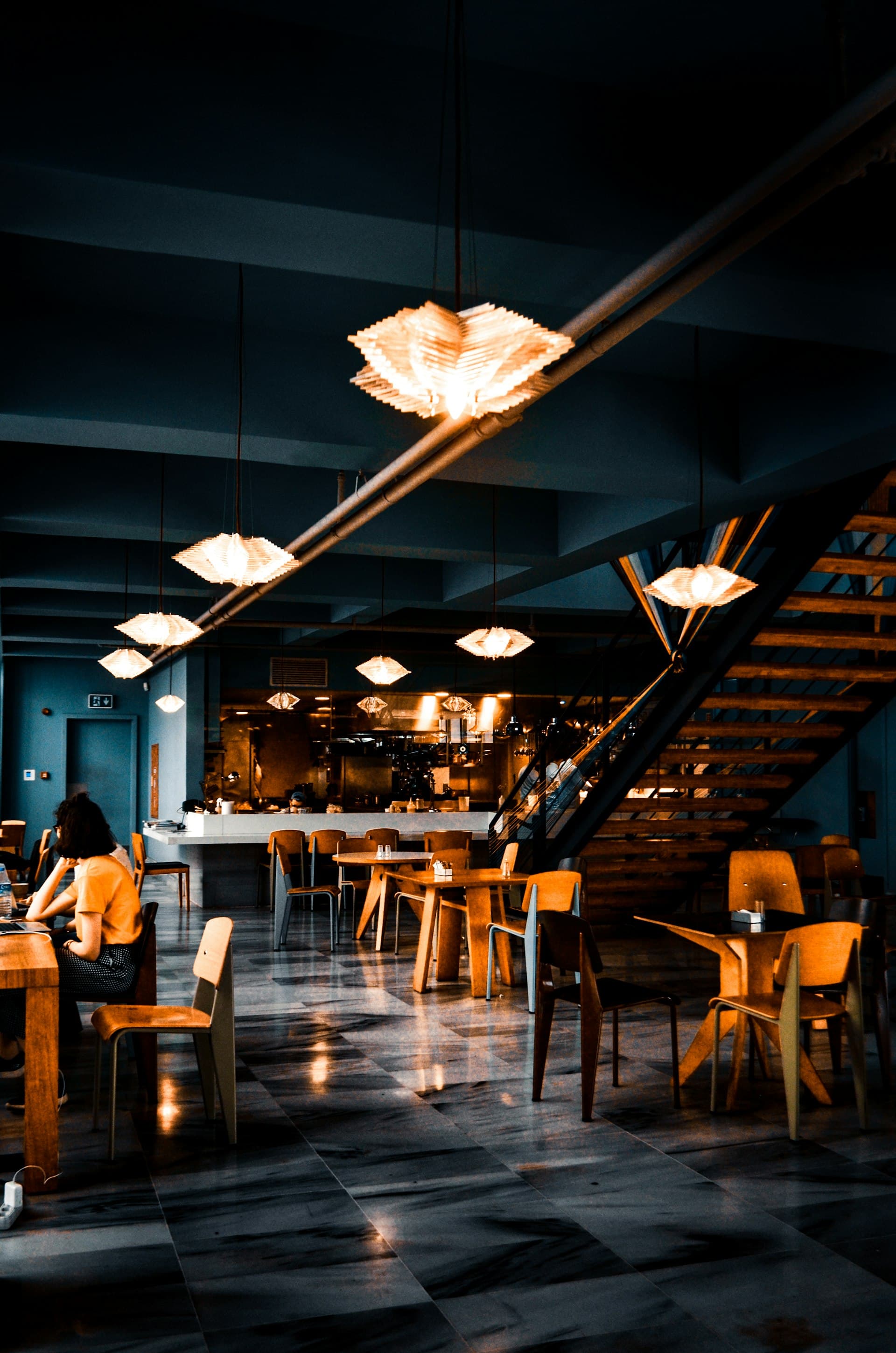
Covers bodily injury and property damage claims from customers and third parties: slip-and-fall injuries, allergic reactions, and burns are among the most common restaurant claims. Most restaurants carry $2M minimum, but landlords and franchise agreements often require higher.
Property and contents
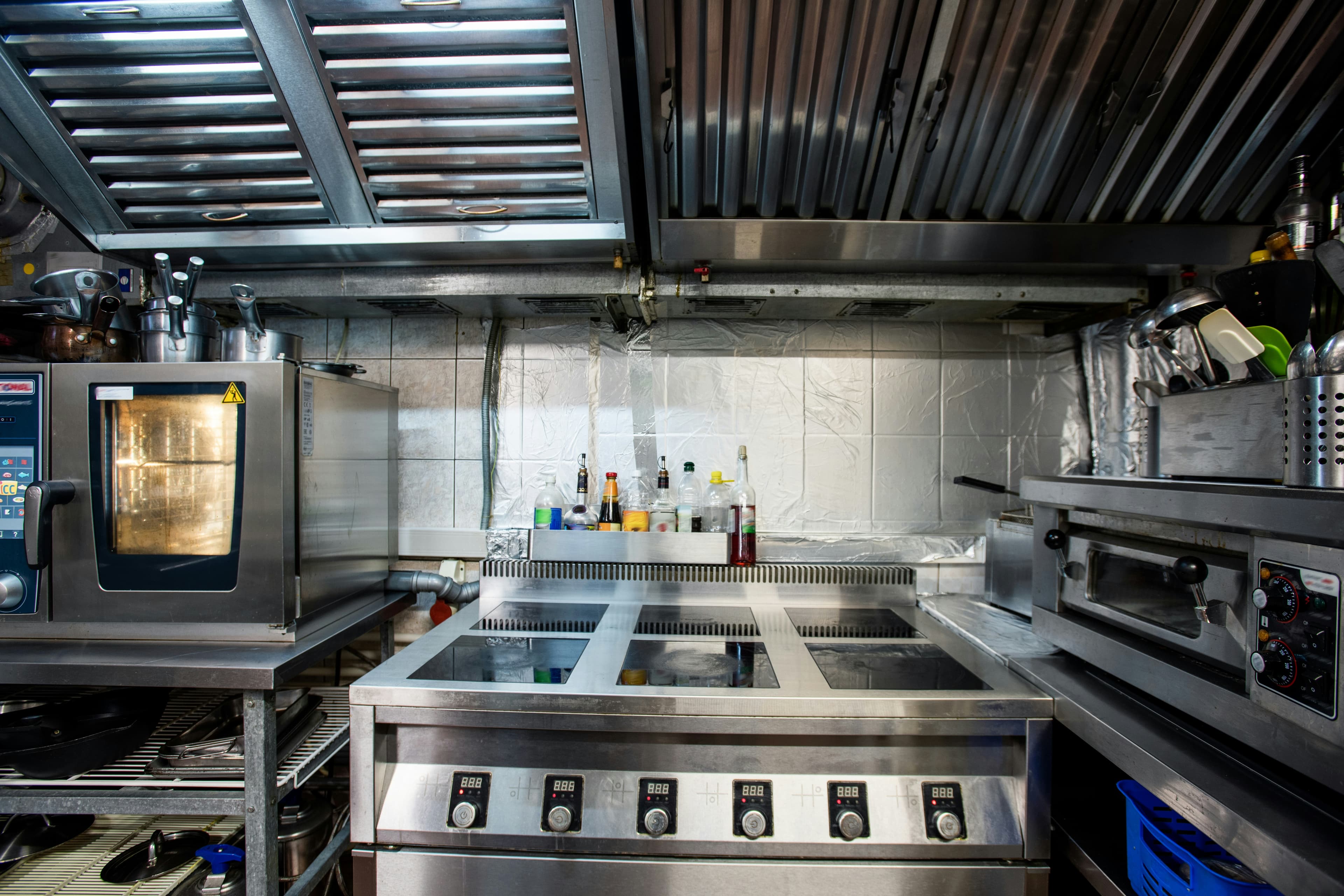
Protects your building (if owned), tenant improvements, kitchen equipment, furniture, fixtures, and signage. Restaurants invest heavily in build-outs, and a fire or water loss can wipe out hundreds of thousands in leasehold improvements overnight.
Liquor liability
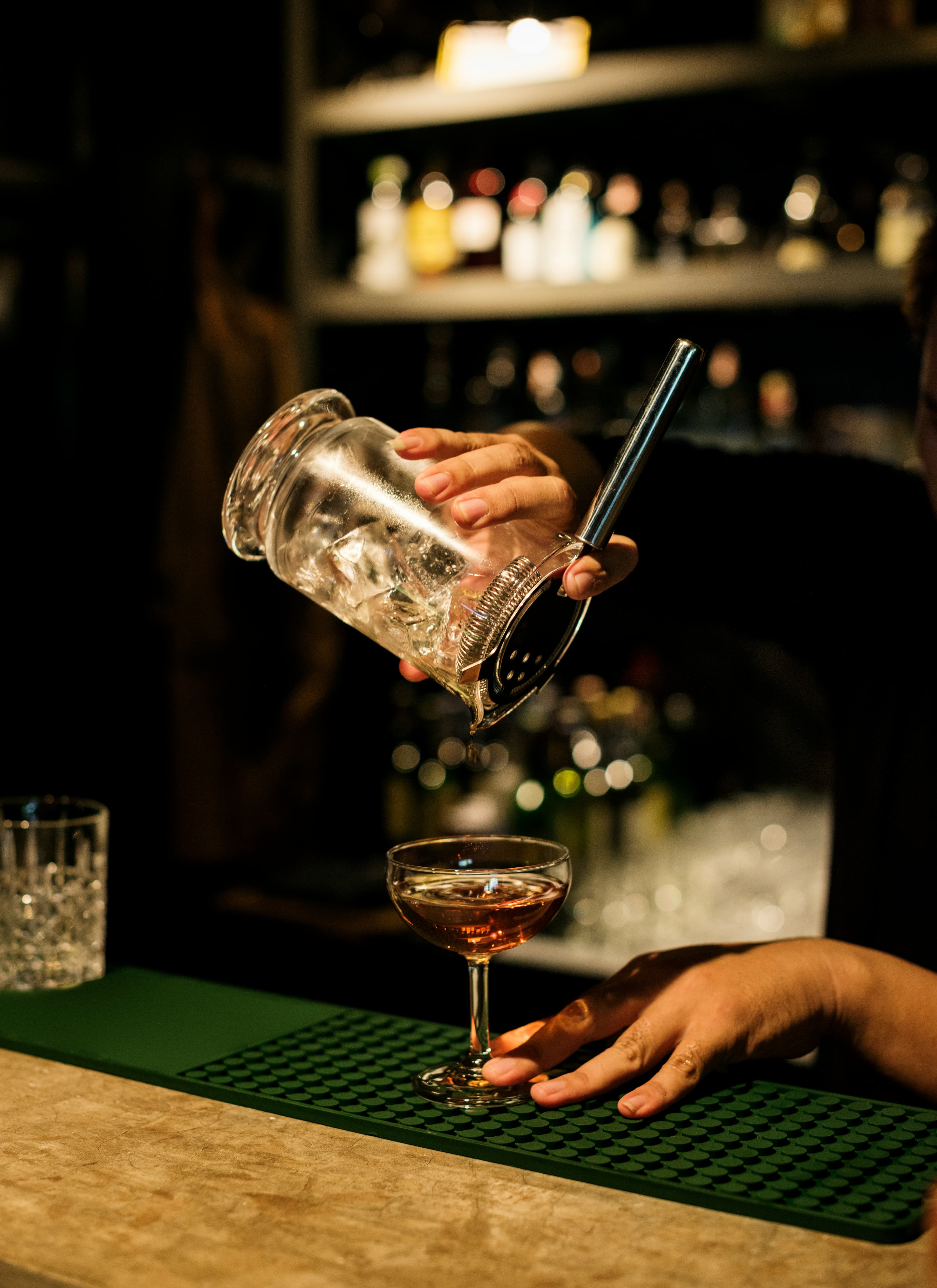
Ontario's Liquor Licence and Control Act holds establishments liable for damages caused by intoxicated patrons. If you serve alcohol, liquor liability is not optional: your AGCO licence requires it, and standard CGL policies typically exclude liquor-related claims.
Types of Food Service We Insure
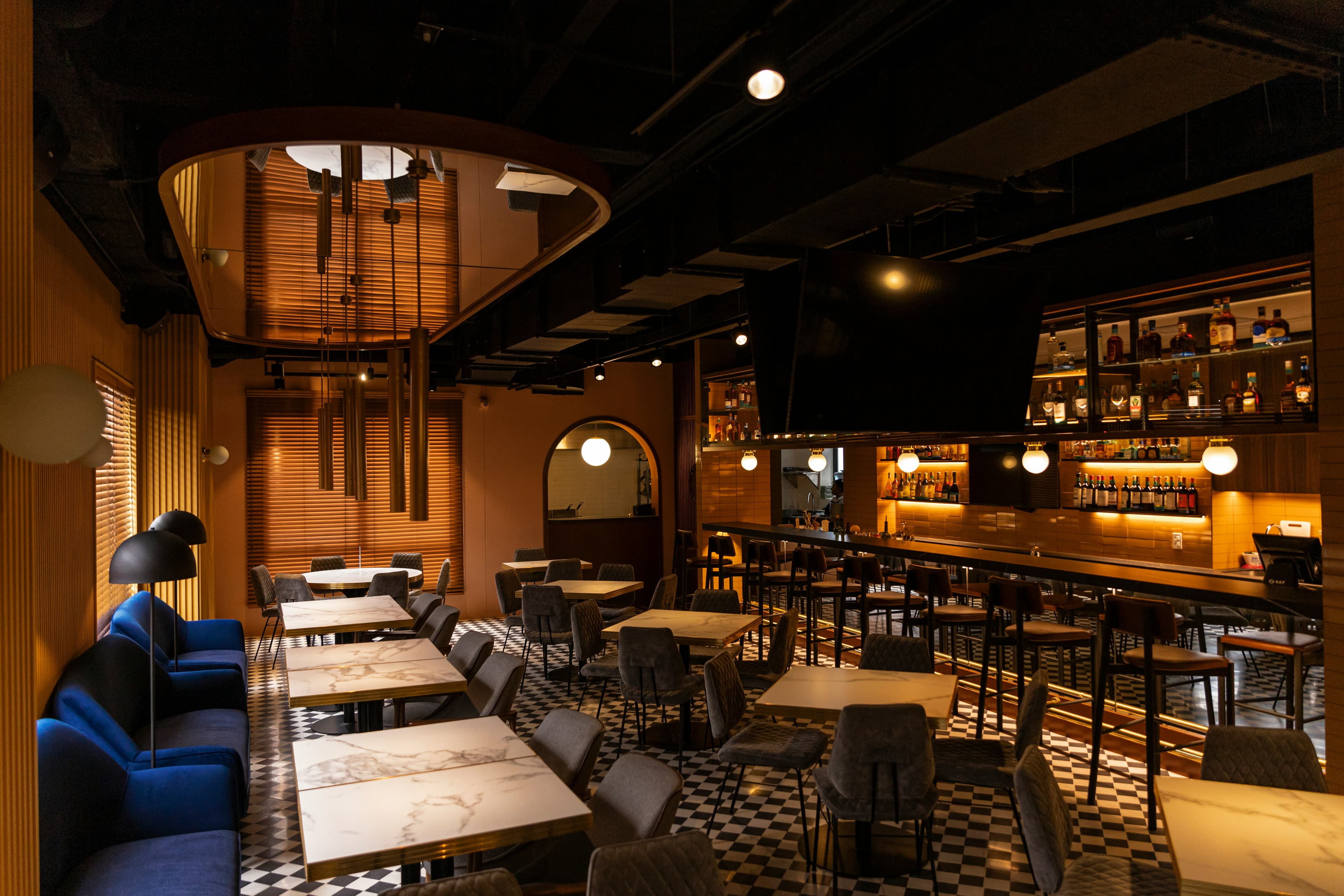
Full-service restaurants and fine dining
Higher liquor exposure, expensive build-outs, and larger staff. We make sure liability limits, liquor coverage, and business interruption match the revenue at stake.
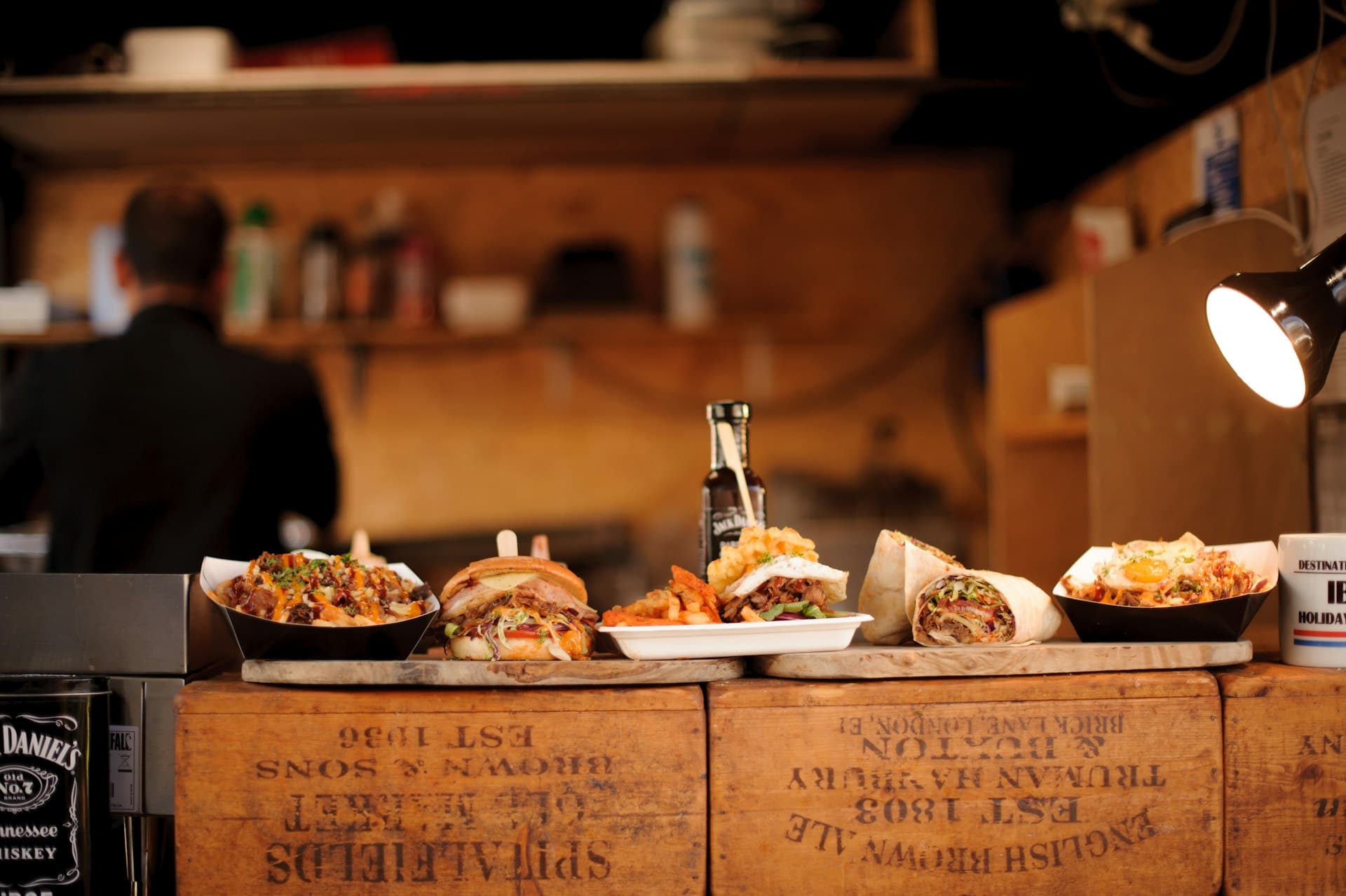
Quick-service and fast casual
High foot traffic, delivery operations, and grease-related fire risk. Even a small QSR needs proper property, liability, and equipment breakdown coverage.
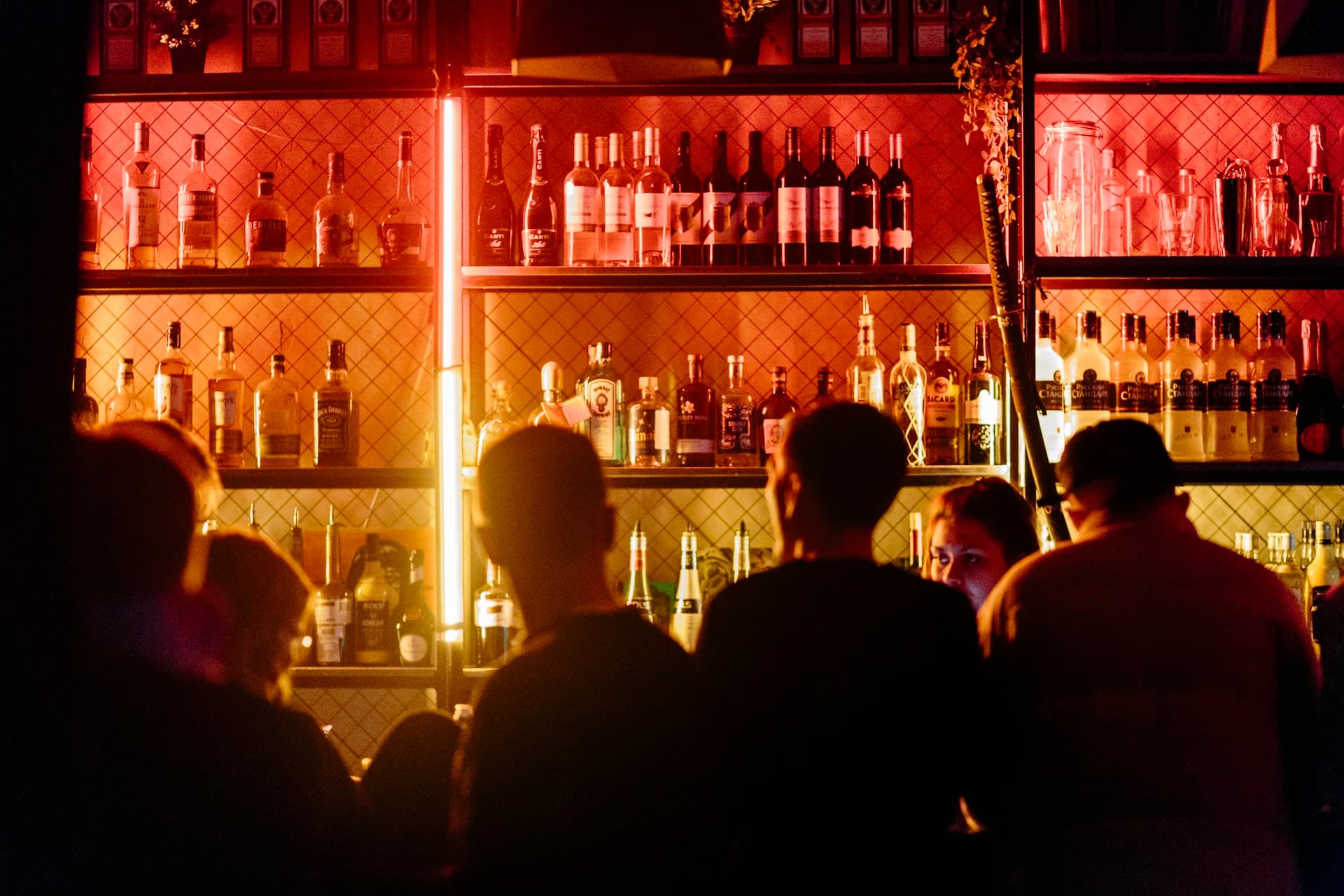
Bars, pubs, and nightclubs
Liquor liability is the dominant exposure. We build programs with appropriate limits and often recommend umbrella coverage to sit on top of your CGL and liquor liability.
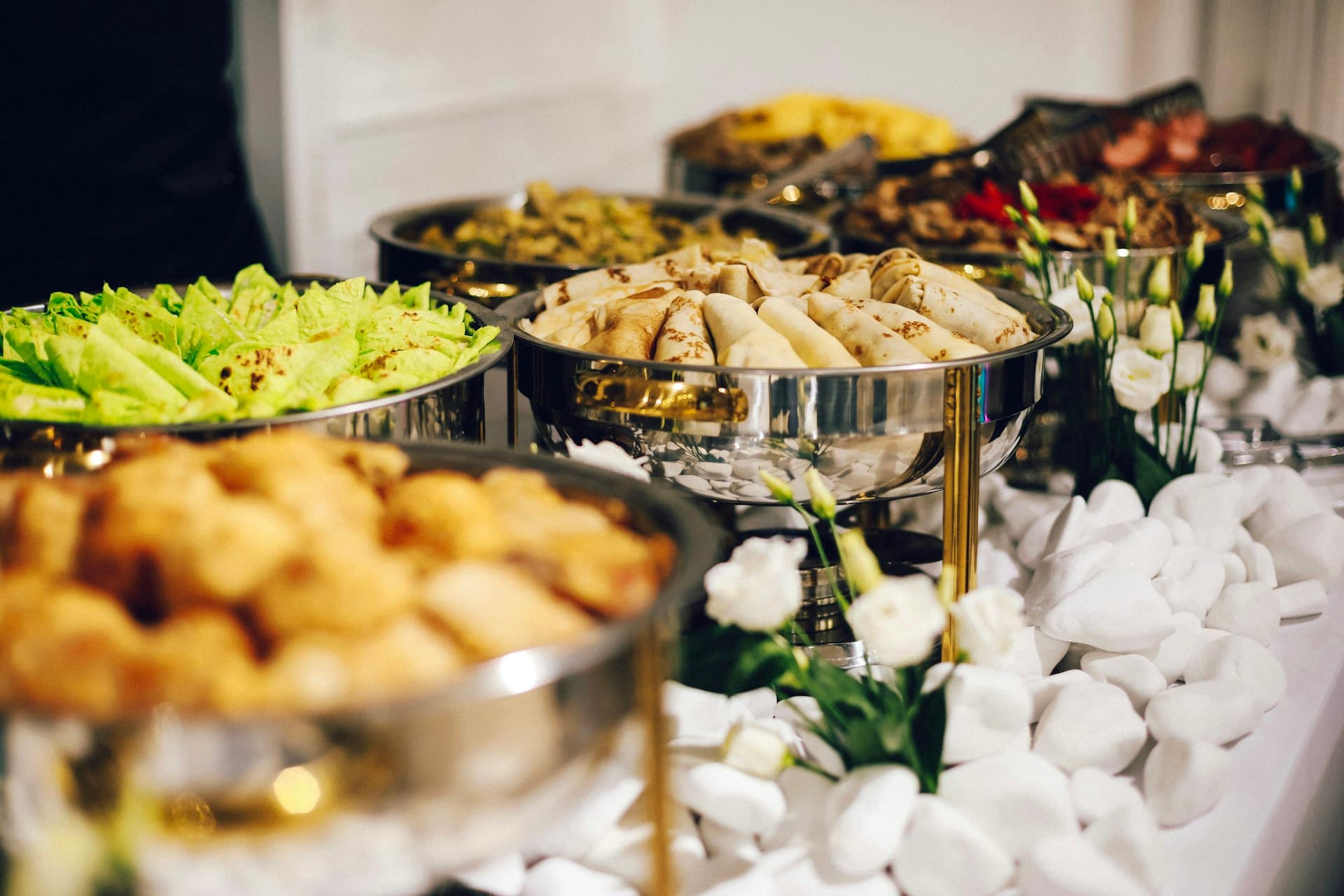
Catering and food trucks
Mobile operations and off-site service create unique liability exposures. We cover the vehicle, the equipment inside it, and the liability at every location you serve.
Full-service restaurants and fine dining
Higher liquor exposure, expensive build-outs, and larger staff. We make sure liability limits, liquor coverage, and business interruption match the revenue at stake.
Quick-service and fast casual
High foot traffic, delivery operations, and grease-related fire risk. Even a small QSR needs proper property, liability, and equipment breakdown coverage.
Bars, pubs, and nightclubs
Liquor liability is the dominant exposure. We build programs with appropriate limits and often recommend umbrella coverage to sit on top of your CGL and liquor liability.
Catering and food trucks
Mobile operations and off-site service create unique liability exposures. We cover the vehicle, the equipment inside it, and the liability at every location you serve.
Restaurants face more combined risks than almost any other business
The right coverage means you reopen after a claim, not close permanently
We'll review your full operation (kitchen, dining room, bar, delivery) and build a program that covers it all. No gaps, no surprises when you need it most.
Key Things to Know
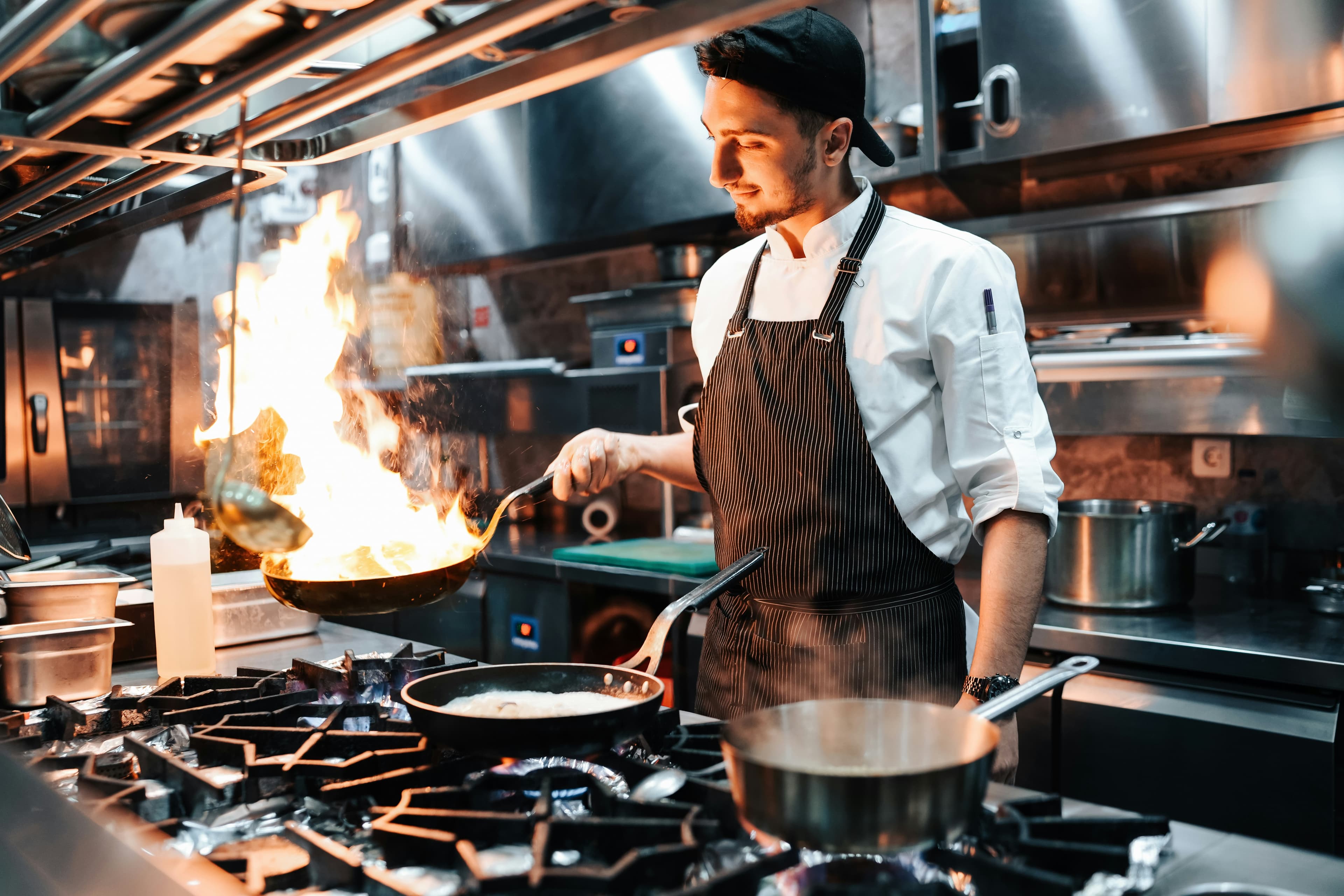
Fire is the number one restaurant claim
Cooking equipment, grease buildup, and electrical systems make restaurants one of the highest fire-risk commercial classes. Your policy needs to account for rebuilding, lost income during closure, and the cost of temporary relocation.
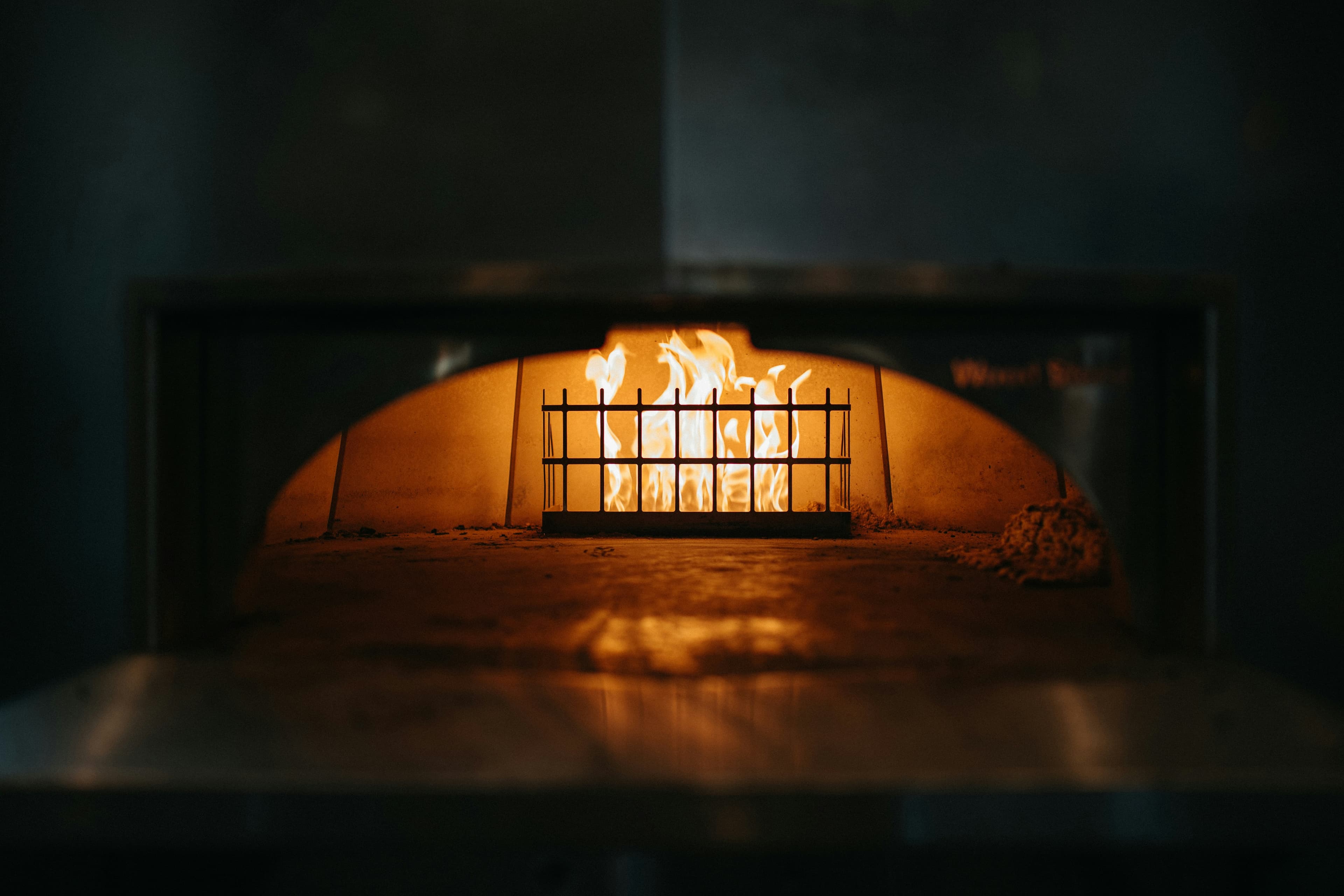
Business interruption is what actually sinks a restaurant
Most restaurant owners can picture a fire or flood, but few think about the months of lost revenue while repairs happen. Business interruption coverage replaces income and covers ongoing expenses like rent and payroll during the shutdown.
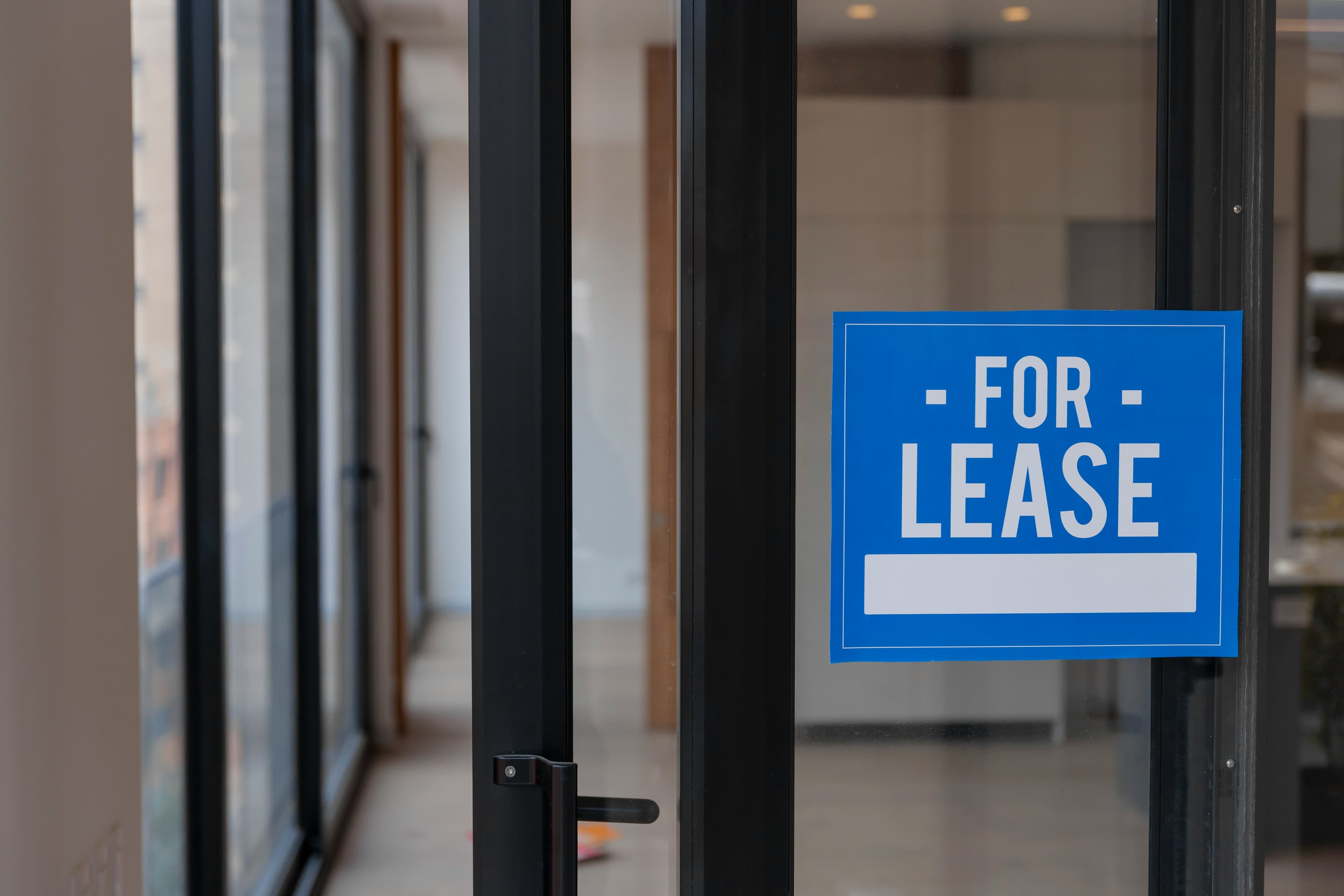
Your lease probably dictates your insurance
Landlords typically require specific limits, additional insured status, and sometimes coverage for their improvements. We review your lease before quoting so there are no surprises.
Fire is the number one restaurant claim
Cooking equipment, grease buildup, and electrical systems make restaurants one of the highest fire-risk commercial classes. Your policy needs to account for rebuilding, lost income during closure, and the cost of temporary relocation.
Business interruption is what actually sinks a restaurant
Most restaurant owners can picture a fire or flood, but few think about the months of lost revenue while repairs happen. Business interruption coverage replaces income and covers ongoing expenses like rent and payroll during the shutdown.
Your lease probably dictates your insurance
Landlords typically require specific limits, additional insured status, and sometimes coverage for their improvements. We review your lease before quoting so there are no surprises.
Liquor Licence Liability for Ontario Restaurants
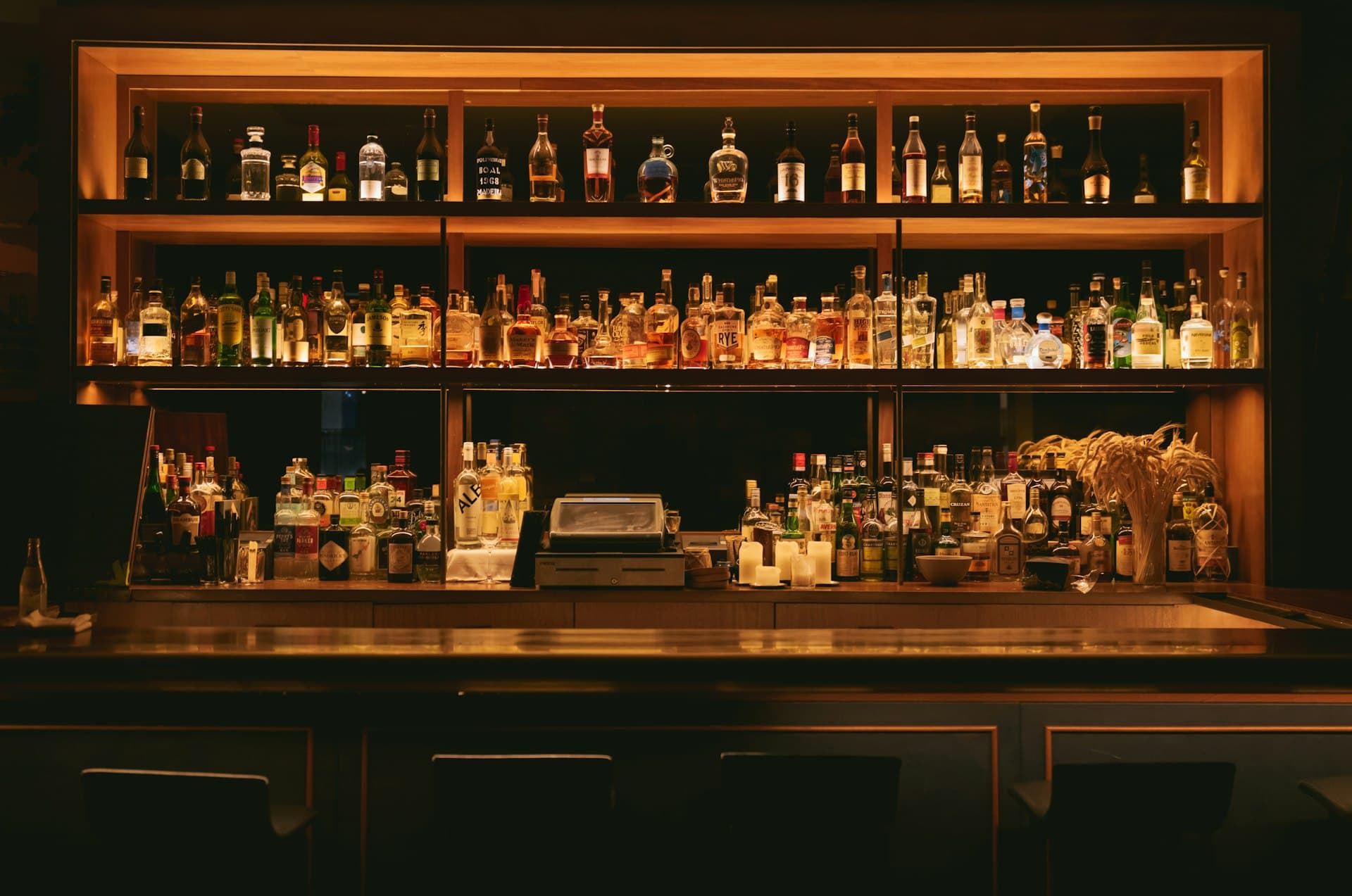
Serving alcohol puts you under AGCO rules
If you sell or serve alcohol, your restaurant holds a liquor sales licence issued by the Alcohol and Gaming Commission of Ontario (AGCO) and must follow its rules for responsible service. Under Ontario's Liquor Licence and Control Act, a licensed establishment can be held responsible for harm caused by a patron who was served too much, which is why liability coverage is a practical requirement for any licensed room.
Your lease and your liability policy
Most commercial leases set a minimum liability limit and ask to see liquor coverage on your certificate. Standard commercial general liability insurance in Ontario often limits or excludes liquor claims, so we confirm liquor liability is in place, at the right limit, before your doors open.
Protect the room you built
A licensed dining room usually means a bar build-out, fixtures and liquor inventory. We set your commercial property insurance limits on the build-out, equipment and stock so a fire or water loss does not end the business.
Serving alcohol puts you under AGCO rules
If you sell or serve alcohol, your restaurant holds a liquor sales licence issued by the Alcohol and Gaming Commission of Ontario (AGCO) and must follow its rules for responsible service. Under Ontario's Liquor Licence and Control Act, a licensed establishment can be held responsible for harm caused by a patron who was served too much, which is why liability coverage is a practical requirement for any licensed room.
Your lease and your liability policy
Most commercial leases set a minimum liability limit and ask to see liquor coverage on your certificate. Standard commercial general liability insurance in Ontario often limits or excludes liquor claims, so we confirm liquor liability is in place, at the right limit, before your doors open.
Protect the room you built
A licensed dining room usually means a bar build-out, fixtures and liquor inventory. We set your commercial property insurance limits on the build-out, equipment and stock so a fire or water loss does not end the business.
Common Add-Ons for Restaurants
Beyond the basics, these coverages address the risks that catch restaurant owners off guard.


Frequently Asked Questions
Do I need liquor liability even if I only serve beer and wine?
Yes. Under Ontario's Liquor Licence and Control Act, any establishment that serves alcohol can be held liable for damages caused by intoxicated patrons. Your AGCO licence requires it regardless of what you serve. Standard CGL policies typically exclude liquor-related claims, so this needs to be a separate coverage.
Ready to Work with an Expert?
Talk to a Product Expert Today!
Get personalized advice and a quote tailored to your specific needs.